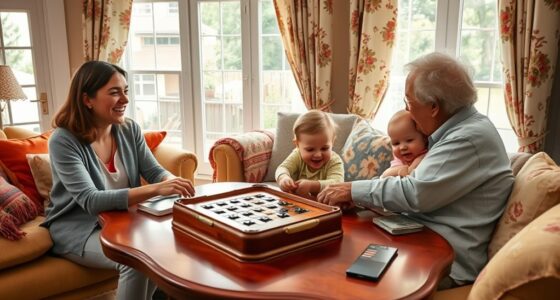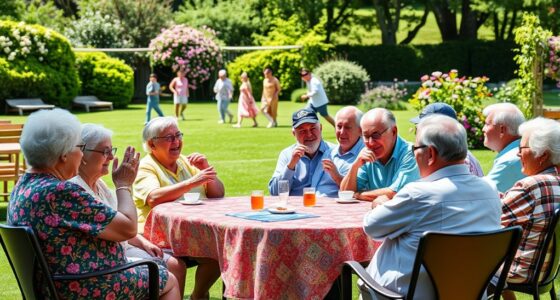
Social prescribing helps you connect with community activities to improve your health and well-being beyond traditional treatments. It highlights the importance of social interactions, environmental factors, and daily activities in supporting mental and emotional health. You might participate in local groups, virtual classes, or support networks, gaining purpose and reducing loneliness. Healthcare professionals can help personalize these approaches, combining community engagement with digital tools. If you want to discover how to make the most of social prescribing, keep exploring these options further.
Key Takeaways
- Social prescribing connects individuals to community activities to enhance overall health and well-being beyond medical treatments.
- Digital platforms enable access to virtual community activities, supporting mental health and reducing social isolation.
- Participating in community groups fosters a sense of purpose, belonging, and emotional resilience.
- Healthcare professionals tailor activity recommendations and digital tools to meet individual needs and preferences.
- Engaging with community resources empowers individuals, builds social connections, and promotes holistic health.

Social prescribing is a growing approach that connects you with non-medical community activities to improve your health and well-being. It’s about recognizing that your health isn’t solely dependent on medications or clinical treatments but also on your social connections, environment, and daily activities. One key aspect of social prescribing is digital engagement, which has become increasingly important, especially as many community activities now offer online options. Through digital platforms, you can access a wide range of resources—virtual exercise classes, online support groups, or educational webinars—that help you stay connected and engaged, even if mobility or transportation issues limit your ability to participate in person. This digital engagement makes it easier to incorporate community activities into your routine, boosting your mental well-being and reducing feelings of isolation.
When you get involved in community activities, you’re likely to notice improvements in your mental well-being. Participating in groups or classes tailored to your interests can give you a sense of purpose and belonging, which are essential for mental health. Social interactions, whether in person or online, help combat loneliness and depression, fostering a sense of connection that’s indispensable for emotional resilience. Social prescribing recognizes that these interactions can be just as valuable as traditional treatments for mental health issues, offering a supportive environment where you can share experiences and learn new skills. For example, joining a local gardening club or an online art class can serve as a mental health boost, reducing stress and improving your mood. The goal is to help you find activities that resonate with your interests and needs, providing a sense of achievement and joy. Additionally, understanding organic and natural juices can be part of a holistic approach to health, emphasizing nutrition and well-being.
Healthcare professionals often work with you to identify suitable community activities that align with your preferences and health goals. They may suggest digital engagement options, such as mental health apps or online support networks, to complement in-person activities. This tailored approach guarantees that you have multiple avenues to support your mental well-being, regardless of your physical location or mobility. Social prescribing isn’t just about improving physical health; it’s about nurturing your mental and emotional health through meaningful community engagement. It empowers you to take an active role in your well-being, leveraging local resources and digital tools to create a supportive environment. By embracing this holistic approach, you can build resilience, foster social connections, and ultimately enjoy a healthier, more fulfilling life.

EMMA + OLIVER 33" Round Blue Plastic Height Adjustable Activity Table
Have kids gather around this round table and allow their imagination to go wild. This multi-purpose table is...
As an affiliate, we earn on qualifying purchases.
Frequently Asked Questions
How Is Social Prescribing Funded and Sustained Long-Term?
You can secure long-term funding for social prescribing through diverse funding models, including government grants, local authority budgets, and healthcare commissioning. Community engagement plays a crucial role, as involving local organizations and residents builds support and demonstrates impact. By fostering strong partnerships and continuously showing positive health outcomes, you guarantee sustainability, making it easier to maintain funding and expand social prescribing initiatives over time.
What Training Do Community Facilitators Receive?
You’re about to be equipped with extensive facilitator training that transforms you into a community engagement superhero. This training covers communication skills, cultural competency, and understanding local health needs. You’ll learn how to effectively connect individuals with resources and support systems. The program emphasizes practical skills, empathy, and collaboration, ensuring you’re ready to empower your community and foster lasting health improvements through dedicated facilitator training.
How Do Patients Choose Which Community Activities to Join?
You choose community activities by considering what interests you and your needs, often guided by peer support groups that share similar experiences. Healthcare professionals can help you navigate options, especially if cultural barriers exist. They provide information and reassurance, making it easier for you to find activities that feel welcoming and suitable. Your preferences, combined with peer support and understanding cultural sensitivities, help you select the best community involvement for your health.
Are There Any Risks Associated With Social Prescribing?
Yes, there are potential barriers and cultural considerations in social prescribing. You might face challenges like limited access to activities or cultural mismatches that hinder engagement. It’s important to assess these risks with your healthcare provider, ensuring activities align with your background and needs. Being aware of these factors helps you make informed choices, reducing the chance of feeling excluded or overwhelmed while improving your overall wellbeing.
How Is the Effectiveness of Social Prescribing Measured?
You can see if social prescribing works by examining outcomes measurement and service integration. First, track changes in health, well-being, and social engagement to gauge success. Second, check how well healthcare providers and community services work together. When you connect these dots, you’ll see if social prescribing hits the mark or if adjustments are needed—showing that it’s more than just talking the talk.

Giant bean® Wooden Activity Table for 1 Year Old, 11-in-1 Montessori Learning Table with Bead Maze, Shape Sorter, Fishing Game & More – Sensory Development Toy for Toddlers, Ideal 1st Birthday Gift
11-in-1 Activity Table: This learning table offers 11 activities: Shape Sorter, Color Sorter, Fishing Game, Bead Maze, Spinning...
As an affiliate, we earn on qualifying purchases.
Conclusion
By embracing social prescribing, you tap into the power of community to boost your health. It’s a simple idea—connecting you to support and activities—but it can transform your well-being in unexpected ways. Just like turning to a friend in need, relying on local resources offers strength when medicine alone can’t. In a world of high-tech solutions, sometimes the most effective remedy is a genuine human connection right in your neighborhood.

Flash Furniture Wren 23.625''W x 47.25''L Rectangular Green Plastic Height Adjustable Activity Table with Grey Top
The uses are endless on this ingenious laminate and plastic activity table for meal time and homework. This...
As an affiliate, we earn on qualifying purchases.

GDLF Kids Art Table and Chairs Set, Craft Desk with Large Storage and Portable Art Supply Organizer for Children Ages 8-12, 47" L x 30" W
LARGE STORAGE】Portable / Removable Art Organizer for desktop is perfect for storage and organization of crayons, brushes, scissors,...
As an affiliate, we earn on qualifying purchases.