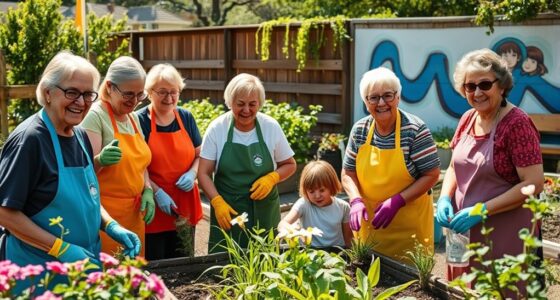
Group games, music, and dance therapies use creative, interactive activities to help you connect emotionally, boost confidence, and improve well-being. By engaging in culturally meaningful movement or sound, you can process feelings, reduce stress, and build social skills. These therapies foster a safe space for emotional expression and healing through rhythm, cooperation, and shared experiences. Keep exploring to discover how these techniques can be tailored to your personal or cultural needs.

Get health and wellness essentials delivered free with Prime
- Fast, free delivery on millions of items
- Prime Video, Amazon Music and more included
- Member-only deals all year
Key Takeaways
- Group games, music, and dance therapies promote social connection, trust, and emotional expression through engaging, culturally relevant activities.
- These therapies enhance coordination, boost self-esteem, and facilitate emotional processing via movement and creative participation.
- They stimulate neural pathways supporting emotional regulation and foster empathy through shared experiences.
- Incorporating cultural elements deepens engagement, making therapies more authentic, meaningful, and respectful of individual backgrounds.
- The active, participatory approach helps improve overall mental, emotional, and physical well-being across diverse populations.

Group games, music, and dance therapies are dynamic approaches that harness the power of social interaction and creative expression to promote emotional, mental, and physical well-being. These methods utilize a variety of therapeutic techniques designed to foster connection, build confidence, and facilitate healing. As you participate, you’ll notice how these activities encourage you to express yourself freely, often bypassing traditional verbal communication and tapping into deeper emotional states. Whether it’s through rhythm, movement, or cooperative play, these therapies create a safe space where you can explore feelings and develop resilience.
Group activities using music, dance, and games foster connection, confidence, and emotional healing.
Cultural influences play a significant role in shaping the effectiveness of these therapies. Different cultures bring unique musical styles, dance forms, and game traditions that resonate on a personal level, making the experience more meaningful. When you engage with culturally relevant music or dance, you’re not just participating in a therapeutic activity—you’re connecting with your identity and heritage. This connection can deepen your emotional engagement and foster a sense of belonging, which is especially important in group settings. Therapists often incorporate cultural elements to enhance comfort levels and ensure the activities are respectful and authentic, recognizing that cultural background affects how you perceive and respond to different forms of expression.
The use of therapeutic techniques within group games, music, and dance allows you to target specific emotional or mental health goals. For example, improvisational music sessions might help you process grief or anxiety, while synchronized dance routines can improve coordination and boost self-esteem. Group games often promote teamwork, trust, and social skills, helping you build relationships and reduce feelings of isolation. The active nature of these therapies keeps you engaged, making it easier to access positive emotions and develop new coping strategies. Additionally, the rhythmic and repetitive qualities of music and dance can induce relaxation, reduce stress, and improve mood over time.
Engaging in therapeutic techniques also involves understanding how the activities are designed to stimulate neural pathways that support emotional regulation and cognitive function. As you immerse yourself in these activities, you’ll realize how the combination of social interaction, cultural relevance, and creative expression creates a powerful therapeutic environment. The shared experience fosters empathy and mutual understanding among participants, which can accelerate healing and personal growth. Importantly, these therapies are adaptable; they can be tailored to suit different cultural backgrounds, age groups, and individual needs. So, whether you’re dancing to traditional rhythms or playing culturally significant games, you’re actively participating in a process that nurtures your overall well-being through meaningful engagement and cultural resonance.
Frequently Asked Questions
How Do Therapists Tailor Activities for Different Age Groups?
You tailor activities for different age groups by selecting age-appropriate activities that match their developmental considerations. For young children, you incorporate simple, playful tasks that encourage basic motor skills and social interaction. For adolescents, you choose more complex activities that promote self-expression and emotional regulation. By understanding each age group’s unique needs, you guarantee the activities are engaging, suitable, and beneficial, maximizing their growth and well-being.
What Are the Most Common Challenges in Group Therapy Sessions?
You might face challenges like maintaining group cohesion and participant engagement. Sometimes, members feel hesitant to share or connect, which can hinder progress. Disruptive behaviors or differing levels of comfort can also interfere. To overcome these, you need to foster a safe environment, encourage open communication, and tailor activities to keep everyone involved. Staying attentive to group dynamics helps you address issues early and keeps the session productive.
How Do Cultural Differences Influence Therapy Approaches?
Cultural differences are like diverse threads woven into a rich tapestry, shaping how you approach therapy. You must practice cultural sensitivity, tuning into each person’s unique background. By customizing therapy to respect these differences, you create a safe space where clients feel understood and valued. This approach helps bridge gaps, fostering trust and openness, so healing can bloom across varied cultural landscapes.
Can These Therapies Be Effective for Severe Mental Health Conditions?
Yes, music therapy and dance therapy can be effective for severe mental health conditions. You might find that these therapies help you express emotions, reduce anxiety, and improve mood when traditional treatments fall short. Active participation in music or dance allows you to access feelings and develop coping skills. While they aren’t standalone solutions, combining them with other treatments can enhance your overall recovery and provide additional support.
What Training Is Required to Become a Group Therapy Facilitator?
Imagine stepping into a vibrant, supportive circle where you guide others through healing. To become a group therapy facilitator, you typically need relevant certification requirements, such as a degree in psychology or counseling, plus specialized training in group dynamics. You should also pursue continuing education to stay current with best practices. This combination guarantees you’re equipped to foster a safe, transformative environment for your clients and enhance your skills over time.
Conclusion
So, next time you think group games, music, or dance are just fun distractions, remember—they’re secretly powerful therapies. You might laugh, sing, or dance your worries away, but beneath the surface, you’re healing in ways you never expected. Ironically, it’s the simplest activities that often bring the deepest relief. So go ahead, embrace the fun—who knew that your favorite game or tune could be your greatest therapy?
Cold & flu season Picks
humidifiers
As an affiliate, we earn on qualifying purchases.