Choosing between a medical alert system and a caregiver pager depends on your safety needs and comfort with technology. If you want quick access to professional help, an alert system with GPS and automatic fall detection might suit you best. If you prefer a simple way to notify someone you trust, a caregiver pager offers straightforward communication. Both options improve safety—just figure out which fits your lifestyle better. Keep exploring to discover which choice suits your home perfectly.
Play games included with Prime
Start a Prime free trial and play with Amazon Luna on your devices.
As an affiliate, we earn on qualifying purchases.
Key Takeaways
- Medical alert systems offer automatic fall detection and GPS tracking, providing professional emergency response; caregiver pagers require manual activation.
- User-friendly interfaces with voice prompts make alert systems easier for independent users; caregiver pagers are simpler with minimal controls.
- Alert systems are suitable for tech-savvy users needing quick help; caregiver pagers suit those preferring straightforward communication.
- Medical alert systems provide professional monitoring for immediate response; caregiver pagers rely on trusted individuals for assistance.
- Choose based on comfort with technology, independence level, and preference for automatic versus manual emergency alerts.
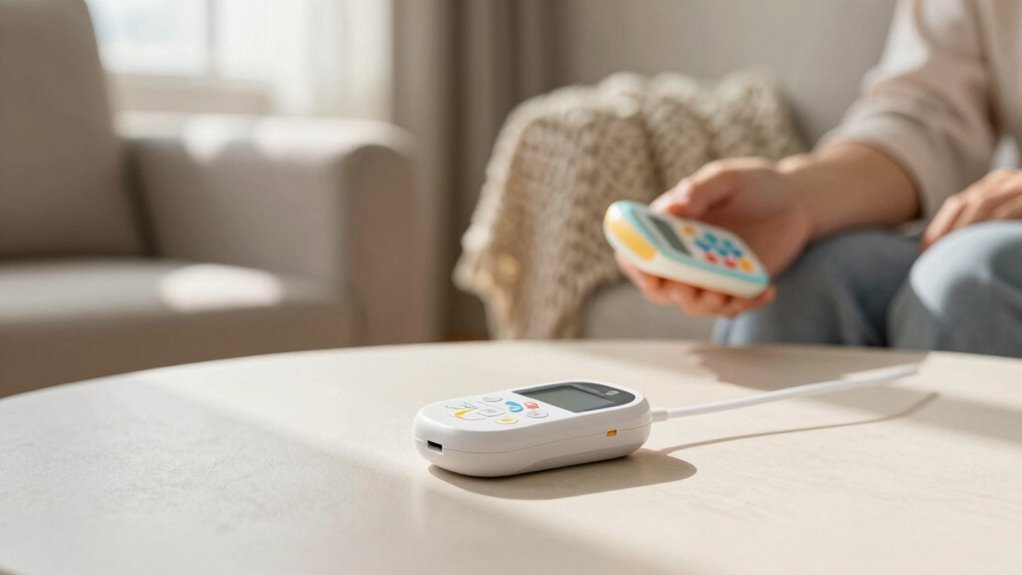
When choosing between a medical alert system and a caregiver pager, understanding how each one works can help you make the best decision for safety and peace of mind. Both options aim to provide emergency response support, but they do so in different ways. A medical alert system typically involves a device you wear, such as a pendant or wristband, that connects directly to a monitoring center. When you press the button, the system immediately contacts trained responders who assess your situation and dispatch help if needed. These systems often include features like GPS tracking and automatic fall detection, making emergency response faster and more reliable. Additionally, some systems support calibration to ensure accurate operation and optimal performance, further enhancing safety. Conversely, a caregiver pager is a simple device that alerts a designated caregiver when you need assistance. It usually involves pressing a button or sending a signal that wakes the caregiver, who then responds to your needs. The user interface of a caregiver pager is straightforward, designed for ease of use, often just a single button or a minimal set of controls. This simplicity can be advantageous if you prefer minimal technology or don’t need constant monitoring. Additionally, understanding the user interface of each device can influence how effectively you or your loved ones can operate them during emergencies.
A user-friendly design in medical alert systems can significantly reduce confusion during stressful situations, making it easier for users to operate the device instinctively. If you’re considering which fits your home better, think about how each device’s user interface aligns with your comfort level. Medical alert systems are more sophisticated, often featuring voice prompts and clear instructions, which make it easier for users to operate even if they’re not tech-savvy. The user interface is designed to be intuitive, ensuring that pressing the button is all you need to do in an emergency. This seamless interaction is critical during stressful situations, providing reassurance that help is just a button press away. Moreover, some systems are compatible with additional sensors that can detect abnormal health conditions, enhancing safety in your home. On the other hand, caregiver pagers usually have a minimal interface, often just a single alert signal without complex controls. They’re ideal if you want a straightforward way to notify someone you trust when you need help, rather than relying on a monitored system.
Ultimately, your choice depends on your level of independence, the environment of your home, and your comfort with technology. If you want a system that offers immediate professional emergency response and a user interface designed for quick, effortless use, a medical alert system is likely the better fit. If you prefer a direct line to someone you know and value simplicity, a caregiver pager might be more suitable. Both options provide valuable safety measures, but understanding how they operate and how user-friendly they are helps you select the one that grants you the most peace of mind in your daily life.
medical alert system with GPS and fall detection
As an affiliate, we earn on qualifying purchases.
As an affiliate, we earn on qualifying purchases.
Frequently Asked Questions
Can Both Systems Be Used Outdoors?
Yes, both systems can be used outdoors, but their outdoor durability and signal range vary. Medical alert systems often have stronger outdoor durability and wider signal range, making them suitable for outdoor use. Caregiver pagers may have limited outdoor durability and shorter signal ranges, so they work best indoors or in close proximity. Check the specific product details to guarantee they meet your outdoor needs, especially for signal strength and durability.
Are These Systems Suitable for Non-Verbal Seniors?
Yes, these systems can be suitable for non-verbal seniors, but you should consider their non-verbal communication needs. Medical alert systems often rely on emergency buttons or sensors, while caregiver pagers depend on the senior pressing a button. However, alert system limitations exist if the senior can’t communicate emergencies effectively. You might need additional support tools, like motion sensors or visual alerts, to guarantee safety and effective communication for non-verbal seniors.
What Is the Typical Response Time for Emergencies?
Like dialing a rotary phone, response times vary, but they’re usually quick—often within a few minutes. Emergency protocols are activated immediately, prompting response coordination among caregivers or emergency services. Most systems are designed for fast alerts, ensuring help arrives promptly. You can expect that, whether it’s a medical alert system or caregiver pager, the response time prioritizes your loved one’s safety and swift assistance during emergencies.
Do These Devices Require Professional Installation?
Most medical alert systems require professional installation due to their installation requirements, especially if they involve landline or internet connections. Caregiver pagers usually have minimal setup complexity and can be easily configured by you. If you’re comfortable with basic tech, you might handle the setup yourself for a caregiver pager, but for more complex systems, professional installation guarantees everything works smoothly and safely.
Are There Options for Monitoring Multiple Users Simultaneously?
Did you know that over 60% of families with elderly members seek multi-user monitoring options? Yes, many systems now support caregiver coordination, allowing you to monitor multiple users simultaneously. These solutions make it easier to guarantee everyone gets help when needed, reducing caregiver stress. Whether you choose a medical alert system or caregiver pager, look for features that support multi-user monitoring to provide complete care and peace of mind for your loved ones.
As an affiliate, we earn on qualifying purchases.
Conclusion
Choosing between a medical alert system and a caregiver pager is like picking the right tool for a job—you want it to fit seamlessly into your home and daily life. Consider your loved one’s needs, independence, and your own peace of mind. Both options are valuable, but the best choice is the one that feels like a natural extension of your home, providing safety and comfort just like a warm blanket on a chilly day.
personal emergency response device
As an affiliate, we earn on qualifying purchases.
As an affiliate, we earn on qualifying purchases.
As an affiliate, we earn on qualifying purchases.
NFL season / tailgating Picks
team gear
As an affiliate, we earn on qualifying purchases.