
In home care, understanding HIPAA, privacy, and consent means knowing your health information is protected at all times. HIPAA sets strict rules for keeping your details secure, and your providers must handle your information responsibly. You have the right to ask questions and give clear consent before sharing your data. By respecting privacy practices, your care remains confidential and trustworthy. If you want to learn how these protections work in detail, keep exploring how your rights and safety are prioritized.
Key Takeaways
- HIPAA sets standards to protect sensitive health information and ensures confidentiality in home care settings.
- Patients have the right to understand how their health data is used and to give informed consent.
- Healthcare providers must handle health records securely and communicate privacy policies clearly.
- Private conversations should be conducted to prevent overhearing, safeguarding patient confidentiality.
- Compliance fosters trust, protects personal data from misuse, and upholds legal and ethical standards in home care.
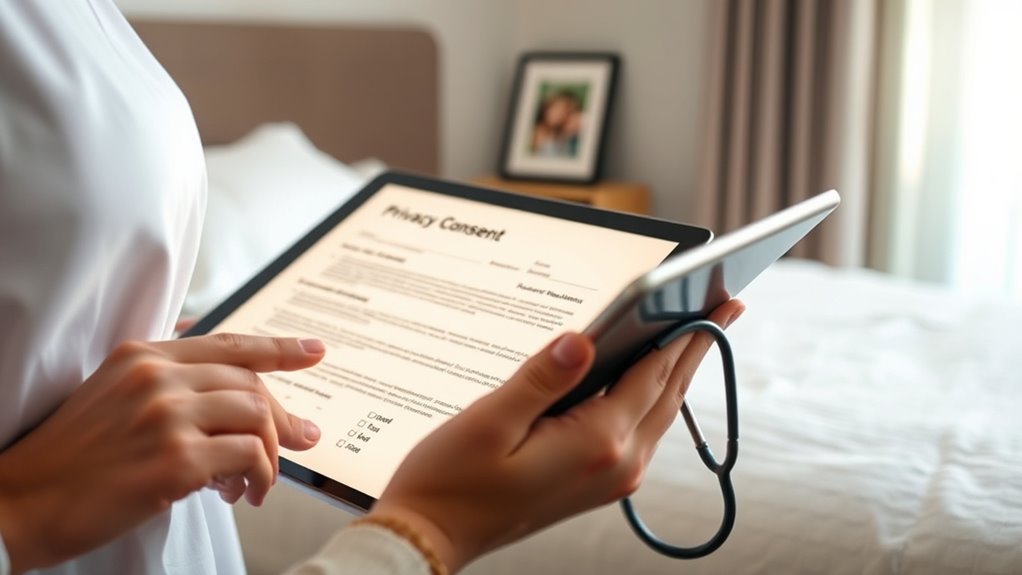
Have you ever wondered how your personal health information is protected when receiving care at home? When you invite healthcare professionals into your personal space, ensuring your privacy and confidentiality becomes even more important. That’s where HIPAA compliance comes into play. The Health Insurance Portability and Accountability Act, or HIPAA, sets strict standards for safeguarding your sensitive health data. It’s designed to make sure that your health information isn’t shared or accessed without your permission. Healthcare providers who work in home care environments are required to follow these rules diligently, which means they must take active steps to protect your patient confidentiality at all times.
Understanding HIPAA and its role in home care helps you feel more confident about sharing your health information. It’s not just about laws—it’s about respecting your rights. When your caregiver discusses your condition, treatment, or medication, they’re expected to do so in a manner that prevents unauthorized people from overhearing or gaining access. This might include private conversations, secure documentation, and careful handling of your records. The goal is to ensure that your personal health details stay private, whether you’re in your living room, bedroom, or any other part of your home. Healthcare providers are trained to handle your information responsibly, emphasizing the importance of patient confidentiality every step of the way.
Your caregiver discusses your health privately, ensuring your details stay confidential in every part of your home.
You also have a role in maintaining your privacy. It’s okay to ask questions about how your information is being used and who has access to it. Providers should inform you about their privacy practices and obtain your consent before sharing your details with anyone else, unless legally required otherwise. This process is part of the consent protocols that ensure you’re actively involved in decisions affecting your health data. If you notice any concerns about how your information is being handled, don’t hesitate to speak up. Your provider should be transparent and willing to clarify their privacy policies.
In home care, maintaining HIPAA compliance isn’t just a legal obligation; it’s a commitment to respect your dignity and trust. By understanding these protections, you can feel more at ease knowing your health information remains confidential and secure. Your personal data isn’t just stored away; it’s protected by strict standards to prevent misuse, sharing without permission, or accidental exposure. Implementing HIPAA compliance ensures that your health information is handled with care and professionalism, fostering a safe environment for your care. When your healthcare team adheres to HIPAA, you can focus on your recovery or health management, confident in the knowledge that your privacy is a top priority.

Kasa 1080p Indoor Pan/Tilt Wired Security Camera - Works as a Baby & Pet Monitor, Motion Detection & Tracking, 2-Way Audio, Night Vision, Subscription-Free Local Storage or Optional Cloud, EC70
Live Stream from Anywhere with Pan/Tilt: Sharp and clear 1080p Full HD provides high quality video right in...
As an affiliate, we earn on qualifying purchases.
Frequently Asked Questions
How Does HIPAA Apply to Electronic Communication With Home Care Providers?
HIPAA applies to electronic communication with home care providers by ensuring your digital security and protecting your health information. You must give clear consent before providers share or access your data electronically, following consent requirements. Be cautious with emails, texts, and online portals, making sure they’re secure and encrypted. Always verify the provider’s privacy practices, and don’t share sensitive info through unsecured channels to stay compliant with HIPAA rules.
What Rights Do Patients Have Regarding Their Health Information?
You have the right to keep your health information confidential and control who accesses it. Under HIPAA, you can request access to your data and ask for corrections if needed. Home care providers must protect your privacy, ensuring only authorized personnel view your information. You also have the right to be informed about how your data is used and shared, reinforcing your control over your personal health data.
Are There Exceptions to HIPAA Privacy Rules in Emergencies?
In emergencies, HIPAA allows for exceptions to privacy rules through emergency disclosures and public health exceptions. You can share necessary health information without patient consent to protect life, prevent serious harm, or control disease outbreaks. These disclosures are limited to what’s needed for emergency response or public health purposes. Always verify you’re complying with legal requirements, and only share info when absolutely necessary to address the emergency situation effectively.
How Can Patients Verify a Home Care Provider’s Compliance With HIPAA?
You can verify a home care provider’s HIPAA compliance by checking their credentials and reviewing their privacy policies. Ask for proof of training or certifications related to privacy standards. Read their privacy policies carefully to see how they handle your health information. Don’t hesitate to request written assurances about confidentiality practices. Ensuring the provider’s credentials and clear privacy policies show they prioritize your privacy and follow HIPAA regulations.
What Steps Should Be Taken if a Privacy Breach Occurs?
If a data breach occurs, you should immediately notify your home care provider and document what happened. Ask about their incident response plan and how they’re handling the breach. You may also need to report the incident to the proper authorities, such as the Office for Civil Rights. Staying informed and proactive helps protect your privacy and ensures the provider takes swift action to mitigate any harm.

Arlo Essential Indoor Pan Tilt Security Camera 2K (2025 Release) - Wired Plug-in Power, Person Recognition, Animal Detection, Animated Preview, 1-Month Secure Plan, Auto Motion Tracking, 1 Cam, White
Leave No Blindspots with Plug-In Pan & Tilt: Dependable 2K indoor security to monitor your furry friends in...
As an affiliate, we earn on qualifying purchases.
Conclusion
By mastering the basics of HIPAA, privacy, and consent, you protect patients and promote trust. Remember, respecting rights and maintaining confidentiality creates a caring, compliant culture. When you prioritize privacy, you prevent problems, promote peace, and foster a positive environment. Stay sharp, stay compliant, and always put patient preferences first. Your dedication to diligent disclosure and discreet dealings makes a difference, demonstrating your duty to deliver dependable, dignified home care.
![Furbo Mini 360° [Subscription Required] New 2K QHD Pet Camera - Unlock w/Paid Plan: Dog & Cat Safety Alerts, Rotating Treat Toss, 2-Way Speaker (Low Risk, 3mo Min. Cancel Anytime)](https://m.media-amazon.com/images/I/41107vXC9DL._SL500_.jpg)
Furbo Mini 360° [Subscription Required] New 2K QHD Pet Camera - Unlock w/Paid Plan: Dog & Cat Safety Alerts, Rotating Treat Toss, 2-Way Speaker (Low Risk, 3mo Min. Cancel Anytime)
PEACE OF MIND: Keep your pet safe and happy, even when you’re away. Furbo Mini 360° is the...
As an affiliate, we earn on qualifying purchases.
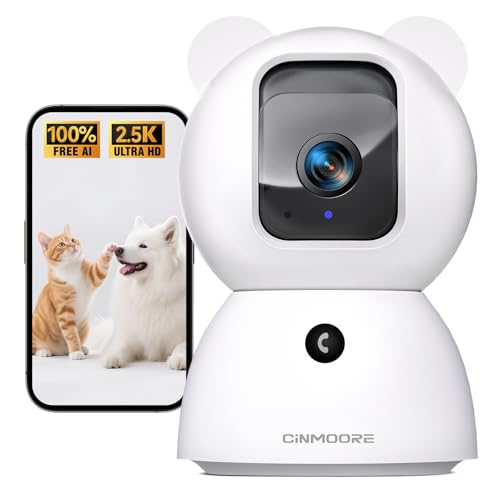
2.5K Security Camera Indoor, Non-Subscription AI Person/Pet/Cry Detection, 4MP Pet/Dog/Cat Camera w/Phone App, Pan Tilt 2.4GHz WiFi Cameras for Home Security, Full Duplex 2-Way Audio, IR Night Vision
Home Camera w/ Free Al detections: Finally, a home indoor security camera supports free local detection of person/pet/baby...
As an affiliate, we earn on qualifying purchases.