
Conservatorship involves a court appointing someone to make personal and financial decisions for you if you’re unable to do so, often limiting your independence and control. Supported decision making, on the other hand, helps you make your own choices with assistance from trusted supporters, preserving your autonomy and dignity. It fosters respect and emotional support without court intervention. To understand how these options differ and which might be best for you, keep exploring the details below.
Key Takeaways
- Conservatorship involves court appointment restricting personal and financial autonomy, while supported decision making allows individuals to retain control with assistance.
- Supported decision making emphasizes collaboration and respect for the individual’s preferences, unlike the paternalistic nature of conservatorship.
- Conservatorship limits access to funds and decision-making power, whereas supported decision making preserves financial autonomy and personal choice.
- Supported decision making fosters trust, emotional support, and active participation, contrasting with the often isolating conservatorship dynamic.
- It aligns with principles of autonomy and dignity, offering a respectful, person-centered alternative to conservatorship in most cases.

When it comes to helping individuals with disabilities make decisions about their lives, understanding the difference between conservatorship and supported decision making is essential. Each approach impacts a person’s ability to retain control over their life choices, especially regarding financial autonomy and emotional support. Conservatorship typically involves a legal process where a court appoints someone to make decisions on behalf of the individual, often when they are deemed unable to do so independently. While this can provide necessary protection, it may also considerably limit the person’s ability to manage their own finances or express their preferences. Under conservatorship, the individual might lose access to their funds or be restricted from making personal decisions, which can undermine their sense of independence. This setup often results in a paternalistic dynamic, where the conservator assumes full authority, sometimes without considering the person’s desires or capabilities.
In contrast, supported decision making is designed to empower individuals to retain as much independence as possible, with the assistance of trusted supporters. Instead of a court stepping in to take control, supported decision making emphasizes collaboration, where the individual remains the primary decision-maker. You can think of this approach as providing emotional support and guidance tailored to your needs, allowing you to understand your options and make informed choices. It respects your right to manage your financial affairs, with supporters acting as advisors rather than authorities. This model promotes financial autonomy because you retain control over your money, with supporters helping you understand complex financial information, weigh options, and avoid exploitation. It also fosters emotional support by encouraging relationships based on trust, respect, and shared understanding, rather than control or restriction.
Supported decision making recognizes that many people with disabilities possess the capacity to make decisions, even if they need assistance. This approach not only preserves your independence but also boosts your confidence and self-esteem. It allows you to stay actively involved in your life, rather than being sidestepped by a legal guardian. While conservatorship might be necessary in some cases, supported decision making offers a more respectful, person-centered path that aligns with the principles of autonomy and dignity. By choosing supported decision making, you maintain your rights, your voice, and your control over your financial and emotional well-being, ensuring that your choices truly reflect your preferences and values.
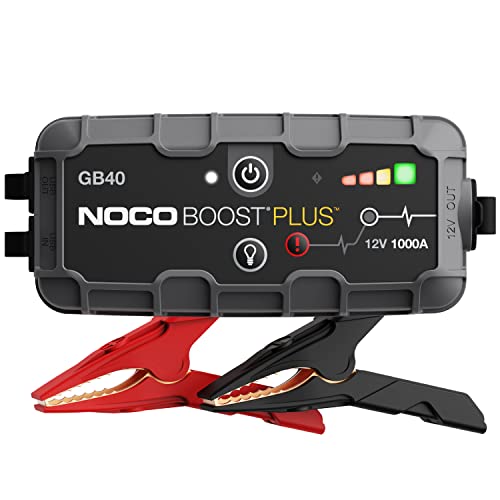
NOCO Boost GB40: 1000A UltraSafe Jump Starter – 12V Lithium Battery Booster Pack, Portable Jump Box, Power Bank & Jumper Cables - for 6.0L Gas and 3.0L Diesel Engines
START DEAD BATTERIES — Instantly start dead batteries with 1000 amps of peak lithium power. Up to 20...
As an affiliate, we earn on qualifying purchases.
Frequently Asked Questions
How Do I Determine if Conservatorship Is Necessary?
You determine if conservatorship is necessary by conducting a capacity assessment to evaluate if you can make informed decisions. If the assessment shows limited decision-making ability, a guardian may need to be selected to help manage your affairs. Consider consulting professionals to assess your needs and explore less restrictive options first. This process guarantees that the decision to seek conservatorship aligns with your best interests and legal requirements.
Can Someone Switch From Conservatorship to Supported Decision Making?
Yes, you can shift from conservatorship to supported decision making. You’ll need to navigate legal implications, such as filing a petition with the court to modify or terminate the conservatorship. Ethical considerations also play a role, guaranteeing the person’s autonomy and dignity are respected. Consult with legal professionals to confirm all procedures are followed correctly, and the transition aligns with the individual’s best interests and rights.
What Are the Costs Associated With Each Option?
Think of choosing between conservatorship and supported decision-making as weighing the scales of life. With conservatorship, you face higher financial implications and emotional costs, since it involves court fees and loss of independence. Supported decision-making tends to be less costly overall, with fewer legal expenses and emotional strain. Your decision impacts your autonomy and financial stability—so consider these costs carefully before moving forward.
How Do These Options Impact a Person’s Legal Rights?
Conservatorship considerably limits your legal rights, as a conservator makes decisions on your behalf, impacting your autonomy considerations. Supported decision-making, however, allows you to retain more control, with others providing assistance rather than taking over. Legally, supported decision-making respects your independence, while conservatorship involves a formal process that reduces your decision-making authority. You maintain greater rights with supported decision-making, but conservatorship offers more oversight, which can affect your personal freedoms.
Are There Any Alternative Decision-Making Arrangements Available?
Yes, you can explore alternative decision-making arrangements like community involvement and supported decision-making. These options empower you to stay active in your life and decisions, often with the help of advocacy resources. You’ll have more control and independence, as these arrangements respect your preferences while providing necessary support. By connecting with advocacy groups and engaging your community, you can find tailored solutions that best suit your needs and ensure your voice is heard.

GOOLOO A3 Jump Starter with Air Compressor, 3000A Portable Car Battery Booster (9.0 Gas/6.5L Diesel) with 150PSI Auto-Shutoff Tire Inflator, 12V Supersafe Lithium Jump Box Car Battery Jumper Starter
Powerful and Durable - The 3000 amp portable car battery jumper starter provides instant restart for your 12V...
As an affiliate, we earn on qualifying purchases.
Conclusion
So, as you see, choosing between conservatorship and supported decision making isn’t just about rules; it’s about finding the right balance for someone’s independence. Sometimes, life surprises us, like a gentle reminder that support can empower rather than control. When you realize that both options aim to protect, yet differ in approach, it’s like discovering a hidden gem—showing that respecting personal choice can truly make all the difference.

WOLFBOX 4000A Jump Starter,12V Car Battery Jumper Starter Portable with 65W Quick Charger,LED Display,88.8Wh Booster Jump Box Pack (10L Gas 10L Diesel Engine) with LED Light,Jumper Cables
4000A&88.8Wh Jump Starter - Megavolt24 is equipped with a powerful 88.8Wh battery. this car battery jump starter is...
As an affiliate, we earn on qualifying purchases.

S ZEVZO ET03 Car Jump Starter 4000A Jump Starter Battery Pack for Up to 8.0L Gas and 7.0L Diesel Engines, 74Wh Portable 12V Jump Box with USB Ports, LCD Display, Storage Case, and LED Light
POWERFUL CAR BATTERY JUMP STARTER: The ET03 car battery jump starter can easily jump-start all 12V common vehicles...
As an affiliate, we earn on qualifying purchases.