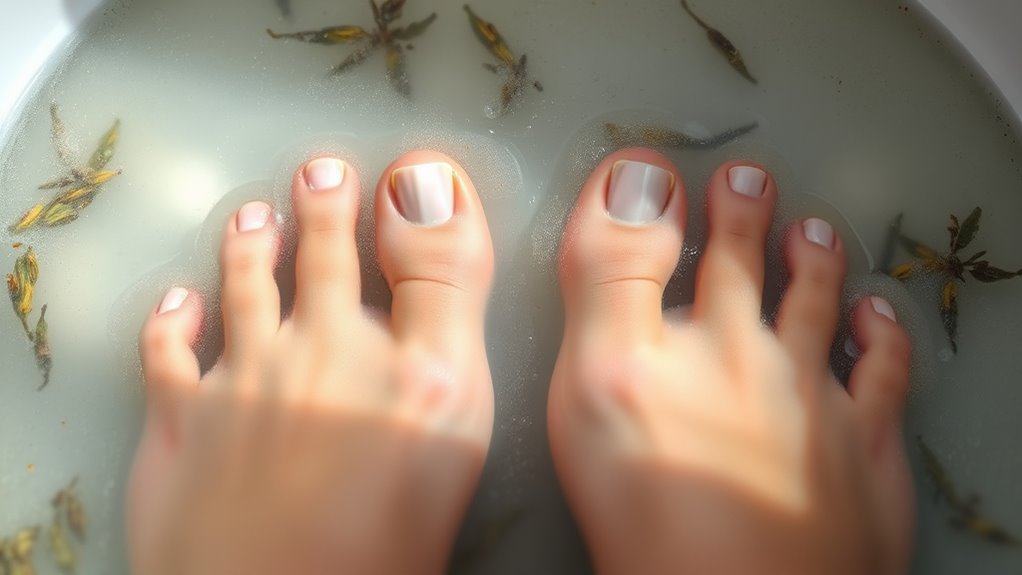

To prevent fungal infections, practice good nail and foot hygiene by gently removing polish with acetone-free remover and moisturizing cuticles afterward. Keep your feet clean and dry, using foot baths with proper solutions to support healthy nails. Avoid aggressive cuticle trimming and guarantee your cuticles act as a barrier against fungi. Proper care, combined with holistic health habits, reduces fungal risk. Continue exploring ways to protect your nails and feet effectively.
Key Takeaways
- Proper nail and cuticle care, including gentle removal and moisturizing, strengthens natural barriers against fungal infections.
- Regular foot baths with appropriate solutions help keep feet dry and prevent fungi from thriving in moist environments.
- Avoid harsh chemicals and aggressive cuticle removal to prevent nail surface damage that facilitates fungal invasion.
- Maintaining clean, debris-free cuticles and avoiding moisture buildup reduces entry points for fungi.
- Supporting overall immune health through holistic practices enhances resistance to nail and foot fungal infections.
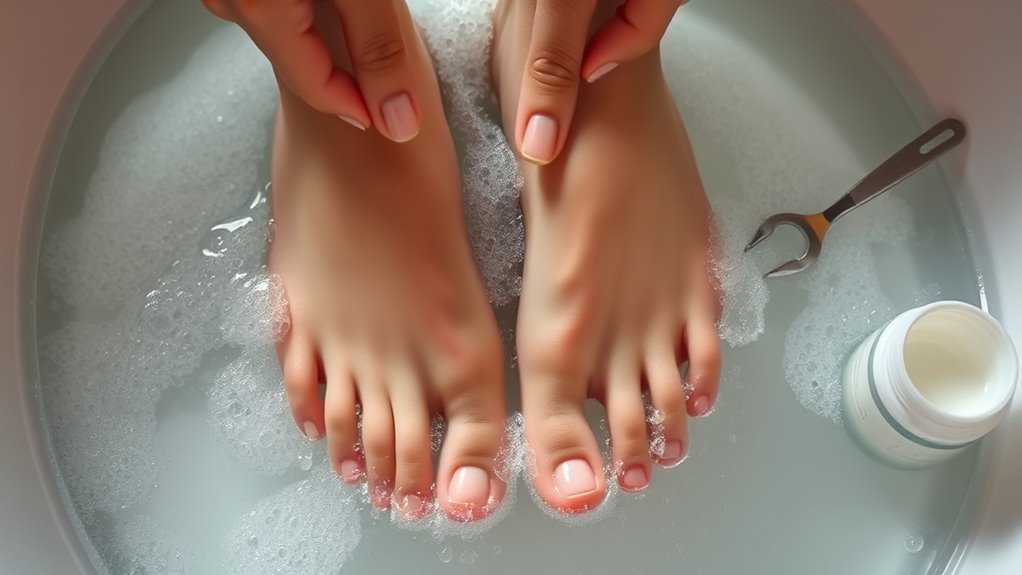
Taking good care of your nails is essential not just for appearance but also to prevent fungal infections. When it comes to maintaining healthy nails, paying attention to nail polish removal and cuticle maintenance is vital. Nail polish removal should be done carefully, using gentle, acetone-free removers that don’t dry out your nails or cuticles. Ripping off polish aggressively or using harsh chemicals can damage the nail surface and open the door for fungi to invade. After removing polish, it’s a good idea to moisturize your nails and cuticles with nourishing oils or creams. Keeping your cuticles healthy creates a natural barrier against infections, preventing fungi from sneaking in through tiny cracks or splits.
Cuticle maintenance plays a significant role in overall nail health. Instead of cutting or pushing back cuticles aggressively, gently soften them with warm water or cuticle oil. Using a cuticle stick, carefully push back excess cuticle tissue without damaging the underlying nail bed. This helps maintain a clean, smooth nail surface and reduces the risk of debris buildup, which can harbor bacteria or fungi. Proper cuticle care also prevents hangnails and splits, both of which provide entry points for fungal infections. Remember, healthy cuticles are key to strong, resilient nails and minimizing infection risks, especially if you frequently wear nail polish or engage in activities that expose your nails to moisture and dirt. Additionally, incorporating sound healing science principles, such as minimizing stress and promoting relaxation, can support overall health and immune function, indirectly reducing susceptibility to infections.
Frequently Asked Questions
How Often Should I Trim and File My Nails?
You should trim your nails once a week to keep them neat and prevent breakage. Nail trimming helps maintain proper nail length, while nail filing smooths rough edges and shapes your nails. If your nails grow quickly or tend to break easily, consider trimming and filing more often, perhaps twice a week. Regular maintenance prevents discomfort and keeps your nails healthy, so adapt your routine to your nail growth and activity level.
What Types of Foot Baths Are Safest for Fungal Prevention?
You should choose antifungal footbaths that contain natural remedies like tea tree oil, apple cider vinegar, or Epsom salts, as they help prevent fungal growth. These natural options are gentle and effective, reducing the risk of infection. Always make certain you use clean, warm water and soak your feet for about 15-20 minutes. Regular use of these foot baths can keep your feet healthy and fungal-free.
Can Wearing Nail Polish Prevent Fungal Infections?
Wearing nail polish doesn’t prevent fungal infections and can sometimes increase the risk if not applied or removed properly. Nail polish safety is essential; always choose breathable, fungal prevention tips by using antifungal formulas and avoiding sharing polish or tools. If you notice discoloration or changes in your nails, remove the polish and consult a healthcare professional. Proper nail hygiene and avoiding damp environments are key to reducing fungal risk.
Are There Specific Ingredients to Avoid in Nail Care Products?
Think of your nails as tiny gardens needing gentle care. You should avoid nail care products with harmful chemicals like formaldehyde, toluene, and dibutyl phthalate, which can damage your nails. Instead, look for natural alternatives that nourish and protect. By choosing products free from these harmful ingredients, you help prevent damage and keep your nails healthy and strong. Your nails will thank you with a vibrant, healthy shine.
How Do I Recognize Early Signs of Fungal Nail Infection?
You can spot early signs of a fungal nail infection by looking for nail discoloration, such as yellow, brown, or white streaks. Also, check for thickened nails that feel uneven or brittle. If your nails start to separate from the nail bed or develop a distorted shape, it’s time to see a healthcare professional. Catching these signs early helps prevent the infection from worsening and spreading.
Conclusion
Taking good care of your nails and feet is like tending a delicate garden—you need to water, prune, and watch out for weeds like fungal infections. By practicing proper nail care, avoiding unsanitary foot baths, and keeping your feet dry, you create a strong fortress against fungi. Stay vigilant and treat your feet with kindness, and you’ll enjoy healthy, happy feet that stand tall like a sturdy tree in a lush forest.