

To plan meals for seniors with diabetes and heart concerns, focus on reducing saturated fats and sodium, while increasing fiber-rich foods like vegetables, fruits, and whole grains. Use small, frequent meals and healthy cooking methods such as baking or grilling. Keep fresh produce and lean proteins handy, and season with herbs instead of salt. Incorporate digital tools and involve seniors in the planning process to make nutrition easier and more enjoyable; more helpful tips await.

Get health and wellness essentials delivered free with Prime
- Fast, free delivery on millions of items
- Prime Video, Amazon Music and more included
- Member-only deals all year
Key Takeaways
- Focus on low-sodium, heart-healthy foods like vegetables, fruits, whole grains, and lean proteins to support heart and blood sugar health.
- Incorporate small, frequent meals to help stabilize blood sugar levels and prevent overeating.
- Limit saturated fats and sodium; season with herbs and spices instead of salt for flavor.
- Use healthy cooking methods like baking, grilling, and steaming to reduce unhealthy fat intake.
- Engage seniors in meal planning and preparation to promote independence and ensure dietary preferences are met.
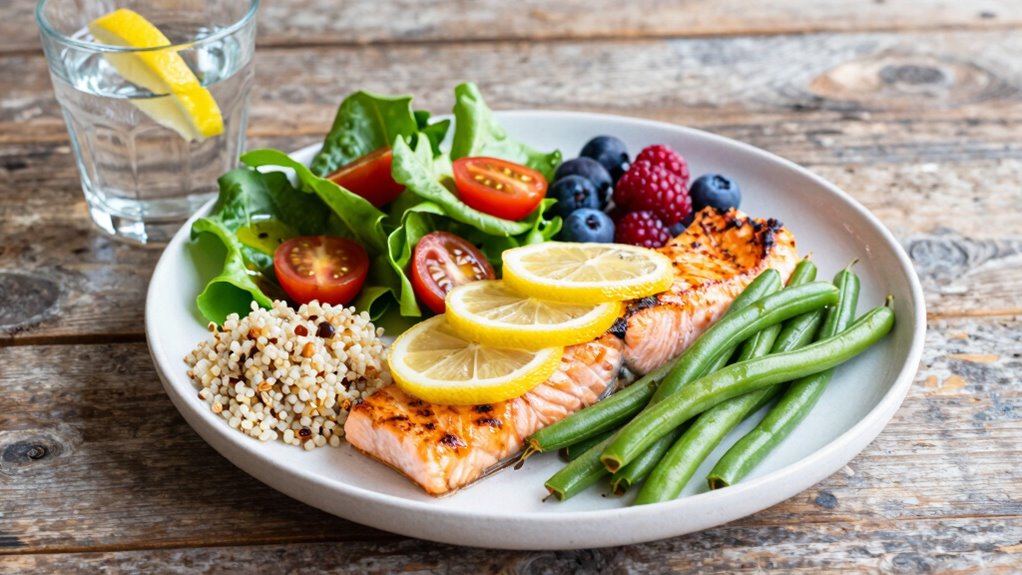
Planning meals for seniors with diabetes and heart concerns can be challenging, but with the right approach, it becomes manageable and beneficial. The key is to focus on nutrition education, which helps you understand what foods support their health and which ones to limit. When you’re aware of the nutritional needs, you can make smarter choices that control blood sugar levels and promote heart health. For example, reducing saturated fats and sodium while increasing fiber-rich foods like vegetables, fruits, and whole grains is essential. Knowing how different foods impact blood sugar and cholesterol allows you to craft balanced meals that meet their specific health needs. Incorporating digital concepts such as meal planning apps or online resources can further enhance your ability to organize and adapt meal plans effectively.
Focusing on nutrition education helps create balanced, heart-healthy meals that control blood sugar and support seniors’ well-being.
Meal prep tips can make this process easier and more efficient. Planning ahead helps you avoid last-minute unhealthy choices and ensures you have nutritious options available. Batch cooking and pre-portioning meals can save time and keep portions controlled, which is especially important for seniors managing chronic conditions. Incorporating nutritional awareness can help you better understand the impact of various ingredients on health outcomes. Additionally, understanding family photoshoot fails highlights how unplanned situations can sometimes lead to humorous or unexpected moments, reminding us to be flexible and adaptable with meal plans. Incorporate a variety of lean proteins such as fish, poultry, and plant-based sources, and prepare them in healthy ways like grilling or baking. Keep salt intake in check by seasoning with herbs and spices instead of salt, and opt for low-sodium versions of processed foods. When grocery shopping, stick to the perimeter of the store where fresh produce, lean meats, and dairy are usually found. This reduces the temptation to buy processed snacks high in sugar and unhealthy fats.
It’s also important to tailor meal plans to individual preferences and dietary restrictions. Some seniors may have difficulty chewing or swallowing, so choosing softer, nutrient-dense foods becomes essential. Encourage small, frequent meals to help maintain stable blood sugar levels and prevent overeating. Keep a variety of healthy snacks on hand, like nuts, seeds, or cut-up vegetables, to avoid hunger spikes between meals. Using simple recipes and meal prep tips ensures that cooking stays manageable and enjoyable, rather than overwhelming.
Finally, engaging seniors in meal planning and preparation can improve their satisfaction and adherence to dietary goals. Educate them about the importance of making healthy choices, and involve them in selecting recipes or grocery shopping. This not only boosts their nutritional knowledge but also fosters independence and confidence in managing their health. With a thoughtful approach rooted in education and practical meal prep strategies, you can create a meal plan that supports both blood sugar control and heart health while respecting their tastes and lifestyle.
digital meal planning app for seniors
As an affiliate, we earn on qualifying purchases.
As an affiliate, we earn on qualifying purchases.
Frequently Asked Questions
How Often Should Seniors With Diabetes and Heart Issues See a Dietitian?
You should see a dietitian at least every 3 to 6 months to manage your diabetes and heart concerns effectively. Regular visits help tailor your meal plan, discuss nutritional supplements, and adjust your exercise routines as needed. Consistent check-ins guarantee your nutritional needs are met, and any complications are addressed early. Staying proactive with your dietitian visits keeps your health on track and supports your overall well-being.
Are There Specific Snacks Recommended for Seniors Managing Both Conditions?
Snacks should be simple, satisfying, and supportive. Opt for healthy snack options like nuts, seeds, or fresh vegetables paired with hummus to keep blood sugar and heart health in check. Remember portion control tips—measure servings and avoid overeating. These small, smart choices help manage diabetes and heart concerns, making snacking safer and more satisfying. Keep it colorful, crunchy, and controlled for the best benefit!
Can Seniors With These Health Concerns Eat Out Safely?
Yes, seniors with these health concerns can eat out safely. To guarantee restaurant safety, choose establishments that accommodate dietary restrictions and offer healthy options. Always review menus beforehand and opt for dishes low in sugar, saturated fats, and salt. Communicate your needs clearly to staff, and avoid fried or processed foods. By making informed choices, you can enjoy dining out while managing diabetes and heart health effectively.
What Are Quick Meal Ideas for Seniors With Limited Cooking Ability?
You can focus on easy snack options like nuts, yogurt, or cut-up veggies for quick meal prep. Prepare simple salads with pre-washed greens, lean protein, and a light dressing, or make overnight oats for a nutritious breakfast. Using pre-cooked or frozen ingredients cuts down on cooking time. These ideas help seniors with limited cooking skills enjoy healthy, heart- and diabetes-friendly meals without hassle or extensive prep.
How Do Medications Affect Meal Planning for These Seniors?
Think of medications as guides shaping your meal map. You must navigate medication interactions and dietary restrictions carefully, ensuring your meals support health without conflicts. Some meds may require timing adjustments or specific food choices, like low-sodium or low-sugar options. By understanding these influences, you create a harmonious plan that respects medication needs, helping seniors manage their health better and enjoy nourishing, safe meals every day.
As an affiliate, we earn on qualifying purchases.
Conclusion
Planning meals for seniors with diabetes and heart concerns might seem tricky, but it’s all about balance and mindful choices. As you explore nutritious options, you might find yourself discovering new favorite recipes or surprising yourself with how tasty healthy eating can be. Sometimes, the best lessons come when you least expect them—like realizing that a little planning today can lead to healthier, happier tomorrows. Keep at it; your loved ones will thank you.
heart-healthy lean protein options
As an affiliate, we earn on qualifying purchases.
As an affiliate, we earn on qualifying purchases.
diabetic friendly food storage containers
As an affiliate, we earn on qualifying purchases.
As an affiliate, we earn on qualifying purchases.
Cold & flu season Picks
humidifiers
As an affiliate, we earn on qualifying purchases.