
When a medication error happens, prioritize patient safety first. Communicate honestly and compassionately, explaining what occurred without placing blame, and reassure the patient that you’re focused on their well-being. Document everything accurately, including your actions and conversations, and follow your facility’s reporting protocols. Being transparent and professional builds trust, reduces harm, and supports safety culture. If you want to learn effective ways to handle these situations confidently, you’ll find helpful insights ahead.
Key Takeaways
- Prioritize patient safety, assess the patient, and monitor for adverse effects immediately.
- Communicate honestly and empathetically with the patient, explaining the error and next steps.
- Document all details of the error, response actions, and patient interactions accurately and promptly.
- Follow institutional protocols for reporting and notifying supervisors about the medication error.
- Maintain professionalism and transparency to build trust, support safety culture, and prevent future errors.

Medication errors can happen despite the best intentions, but how you respond can make a critical difference. When you realize a mistake has occurred, your immediate focus should be on patient safety and effective communication. Clear, honest patient communication is essential, as it helps build trust and ensures the patient understands what happened and what steps are being taken. Approach the conversation with empathy, avoid blame, and provide straightforward explanations about the error and its potential impact. This transparency not only reassures the patient but also fosters a collaborative effort in managing their care moving forward. Incorporating transparency in communication is vital to maintaining trust and improving patient outcomes.
Respond promptly and honestly to medication errors to build trust and ensure patient safety.
At the same time, it’s important to be aware of the legal considerations involved. Document everything accurately and promptly, including what was observed, the steps taken after discovering the error, and the communication with the patient. Proper documentation can serve as pivotal evidence if any legal issues arise later. Remember, admitting fault isn’t always necessary initially; instead, focus on factual and objective recording of events to protect yourself and your organization. If legal advice is available, consult with your legal team or supervisor to make certain you’re handling the situation correctly and in compliance with relevant laws and policies.
When communicating with the patient, be honest but also sensitive to their feelings. Explain that an error has occurred without overwhelming them with technical details they might not understand. Offer reassurance that their safety remains your top priority and outline the next steps, including any monitoring or follow-up needed. Be prepared to answer questions honestly and calmly, maintaining a professional yet compassionate demeanor. This approach helps mitigate anxiety and demonstrates your commitment to their well-being.
Handling medication errors with transparency and professionalism also involves following institutional protocols. Many healthcare facilities have specific procedures for reporting and managing errors, often including notifying supervisors, completing incident reports, and reviewing processes to prevent future mistakes. Adhering to these protocols not only supports patient safety but also shields you legally and ethically. Remember, addressing the error proactively and openly can minimize potential harm, both physically and legally, and contribute to a culture of safety within your practice.
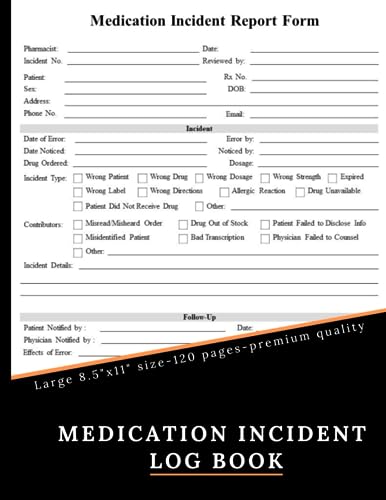
Medication Incident Log Book: Track incorrect prescriptions, wrong dosages, allergic reactions and more, incident report form, 120 Pages, 8.5×11 inches
As an affiliate, we earn on qualifying purchases.
As an affiliate, we earn on qualifying purchases.
Frequently Asked Questions
How Can Patients Prevent Medication Errors at Home?
To prevent medication errors at home, prioritize medication safety by carefully reading labels and following prescribed instructions. Stay aware of your medications, including dosages and schedules, and keep an organized list. Use a pill organizer if needed and double-check each medication before taking it. Always communicate openly with your healthcare provider about any concerns or side effects. Your awareness and attentiveness are key to ensuring safe medication use.
What Legal Rights Do Patients Have After a Medication Error?
You have the right to seek legal recourse if you experience a medication error. Your patient rights protect you from negligence and guarantee you receive proper care. If harmed, you can file a complaint, pursue compensation, or consult an attorney specializing in healthcare law. Remember, knowing your rights empowers you to advocate for yourself and ensure accountability, helping prevent future errors and safeguarding your health.
How Do Healthcare Providers Document Medication Errors?
You should document medication errors by following your facility’s error reporting protocols promptly. Start with medication reconciliation to guarantee accuracy and identify discrepancies. Clearly record what happened, including the medication involved, dose, time, and any adverse effects. Be factual and objective, avoiding assumptions. This documentation helps improve patient safety, supports legal requirements, and ensures accurate communication among healthcare team members.
What Are Common Causes of Medication Errors in Hospitals?
You often see medication errors caused by lapses in pharmacy protocols and inadequate staff training. When pharmacy protocols aren’t strictly followed, mistakes like incorrect dosing or drug interactions happen more frequently. Similarly, if staff aren’t regularly trained on new medications or procedures, errors increase. Ensuring strict adherence to pharmacy protocols and continuous staff training helps reduce these common causes, improving patient safety and care quality in hospitals.
How Can Healthcare Teams Improve Communication to Reduce Errors?
Picture a relay race, where seamless handoffs prevent errors. You can improve communication by fostering interprofessional collaboration, ensuring everyone shares crucial info. Embrace technology integration, like electronic health records and instant messaging, to keep team members connected and informed. When you prioritize clear, open dialogue and leverage tools effectively, you create a safer environment, reducing medication errors and enhancing patient care.

MCR Medical Pack of 10 Deluxe AED First Responder Training Kit with Simulated Razor, Scissors, & More
Kit Contents: Simulated Razor, Scissors, CPR Training Shield, Alcohol Wipes, pair of gloves, and an Absorbent Dry Towel
As an affiliate, we earn on qualifying purchases.
As an affiliate, we earn on qualifying purchases.
Conclusion
Remember, acting quickly and calmly is key when responding to medication errors. If you catch a mistake, report it immediately and follow proper protocols to prevent harm. Did you know that studies show over 1.5 million preventable medication errors happen annually in healthcare settings? By staying vigilant and proactive, you can help reduce this number and protect your patients. Your prompt response can make all the difference in ensuring safety and maintaining trust.

BookFactory Medication Log Book Daily Medicine, Pills, Drug, Prescription, Medications and Reaction Tracking Record Journal Logbook – Wire-O, 110 Pages, 6'' x 9'' (Made in USA)
Made in USA – Proudly produced in Ohio by a Veteran-owned business
As an affiliate, we earn on qualifying purchases.
As an affiliate, we earn on qualifying purchases.

Medical Basics Nursing Report Sheet Notebook for MedSurg and ICU – 4 Patients per Template – RN report sheet template
DESIGNED FOR NURSES BY NURSES: The Medical Basics nurse report sheet is perfect for nursing students, RNs, and…
As an affiliate, we earn on qualifying purchases.
As an affiliate, we earn on qualifying purchases.