

After leaving the hospital, medication reconciliation guarantees your medication list is accurate and safe, preventing errors like missed drugs or wrong doses. You should review your current medications, including prescriptions, over-the-counter products, and supplements, and share this list with your healthcare team. Asking questions about your medications helps you understand their purpose and proper use. Staying informed and involved enhances your safety, and exploring further can help you manage your medications more effectively.
Key Takeaways
- Medication reconciliation verifies and updates the medication list to ensure accuracy after hospital discharge.
- It involves reviewing prescriptions, over-the-counter drugs, vitamins, and supplements for discrepancies.
- Patient education encourages understanding of medication purpose, proper use, and recognizing side effects.
- Patients should provide complete medication details and bring bottles or lists to healthcare appointments.
- Proper reconciliation reduces medication errors, prevents adverse interactions, and promotes safe recovery at home.

After a hospital stay, medication reconciliation is a essential step to guarantee your safety and health. This process helps ensure that your medication list is accurate, up-to-date, and safely coordinated between your healthcare providers. Without proper reconciliation, there’s a higher risk of medication errors—mistakes such as missing medications, duplicate therapies, or incorrect dosages that can lead to serious health complications. By reviewing and confirming your medications, you minimize these risks and promote better recovery outcomes.
During medication reconciliation, your healthcare team compares your current medication list with new prescriptions, discontinued drugs, and over-the-counter products you might be taking. This careful review helps identify discrepancies or potential drug interactions that could harm you. However, for this process to be truly effective, patient education plays a critical role. When you’re informed about your medications—what they are for, how to take them properly, and potential side effects—you’re more likely to notice errors or adverse reactions early. Educated patients actively participate in their care, ask questions, and communicate any concerns or changes in their health status.
Understanding your medications helps catch errors and enhances your safety during recovery.
You should be proactive in providing your complete medication history, including prescription drugs, over-the-counter medicines, vitamins, and supplements. Bring your medication bottles or a detailed list to every healthcare appointment, especially after hospital discharge. This allows your healthcare providers to verify and update your medication list accurately. Don’t hesitate to ask your doctor or pharmacist to explain the purpose of each medication, how to take it correctly, and what side effects to watch for. Clear understanding empowers you to follow your medication regimen precisely and report any issues promptly.
Patient education also involves understanding the importance of adherence and recognizing what to do if you experience side effects or missed doses. When you’re well-informed, you’re less likely to make mistakes that could lead to medication errors, which are a common cause of hospital readmissions and adverse events. Your involvement in the reconciliation process ensures that your medication plan aligns with your health goals and current condition, reducing the chances of drug interactions or contraindications. Additionally, understanding medication safety strategies can significantly reduce the risk of errors and improve your overall treatment outcomes.

Vive Alternating Air Pressure Mattress Pad - The Original Bed Sore Prevention Solution - Hospital Topper for Bedridden Patients - Includes Waterproof, Breathable Ulcer Cushion & Whisper Quiet Pump
DOCTOR RECOMMENDED RELIEF FOR BED SORES & ULCERS: Providing relief from bed sores and ulcers that result from...
As an affiliate, we earn on qualifying purchases.
Frequently Asked Questions
How Soon Should Medication Reconciliation Be Completed After Discharge?
You should complete medication reconciliation within 24 hours of hospital discharge. Timing considerations are vital to guarantee all medications are accurate and safe. During this process, you’ll review and update the patient’s medication list, addressing any discrepancies. It’s also an opportunity for patient education, helping you understand your medications better and adhere to your prescribed regimen. Prompt reconciliation minimizes errors and supports a smooth transition back home.
Who Is Responsible for Conducting Medication Reconciliation?
Like a captain steering through uncertain waters, you’re responsible for medication reconciliation. You ensure pharmacists verify medication accuracy, update the medication list, and resolve discrepancies. Your role is vital in safeguarding patient safety after discharge. You coordinate with healthcare providers, confirm the correctness of all medications, and communicate changes clearly. By doing so, you help prevent errors, guaranteeing patients follow their proper medication regimen and avoid potential adverse effects.
What if Discrepancies Are Found During Reconciliation?
If you find discrepancies during medication reconciliation, you should promptly address them to prevent medication errors and guarantee patient safety. Verify the correct medications, dosages, and instructions with the patient and healthcare team. Communicate any changes clearly and document everything accurately. By actively resolving discrepancies, you help minimize risks, improve patient outcomes, and uphold a high standard of safety during the shift from hospital to home or another care setting.
Can Medication Reconciliation Prevent Hospital Readmissions?
Ever wonder if medication reconciliation can prevent hospital readmissions? It definitely can, by ensuring your medications are accurate and safe. When you follow medication adherence guidelines and receive proper patient education, you’re less likely to experience adverse drug events that lead to readmission. This process helps catch errors early, keeps your treatment on track, and promotes better health outcomes. So, yes, medication reconciliation is a key step in preventing unnecessary hospital visits.
Are There Specific Tools Used for Medication Reconciliation?
Yes, there are specific tools used for medication reconciliation, including electronic records systems that streamline the process by providing accurate, up-to-date medication information. Pharmacists play an essential role in verifying and updating these records, ensuring safety and accuracy. You benefit by having an all-inclusive medication list that reduces errors and enhances communication between healthcare providers, ultimately improving your overall care and safety during transitions of care.

Drive Medical Med-Aire Low Air Loss Mattress Replacement System - Alternating Pressure - Pressure Redistribution Mattress - Moisture Wicking Cover - Home or Facility Use
Pressure Relief Support: The Drive Mattress Replacement System supports comfort through targeted care, minimizing air loss and alternating...
As an affiliate, we earn on qualifying purchases.
Conclusion
Think of medication reconciliation like tuning a musical instrument—you need every note in harmony to create a beautiful melody. After a hospital stay, taking the time to review and update your medications guarantees everything stays in sync, preventing discordant health issues down the line. Don’t leave your health playing out of tune; stay proactive and organized. By doing so, you’re the conductor of your wellness, guiding your body toward a harmonious and healthy future.
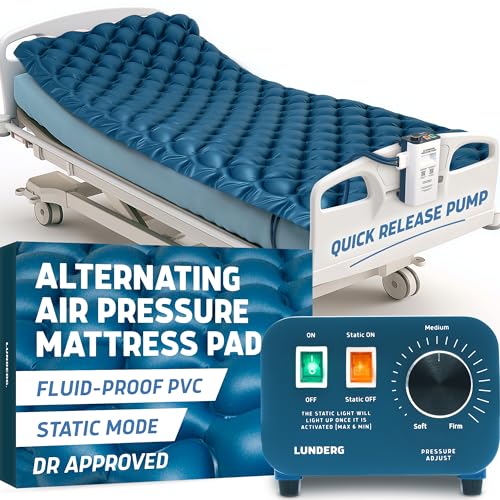
Lunderg Alternating Air Pressure Mattress Pad with Static Mode - Comfortable Bed Sore Prevention - Includes Waterproof Mattress Topper for Hospital Bed or Home & Quiet Pump - Recommended by Doctors
Doctor & Therapist Approved - Prevent & Heal Bedsores: Lunderg’s Air Pressure Mattress for bed sores relieves pressure...
As an affiliate, we earn on qualifying purchases.

Kekoy Alternating Air Pressure Mattress Pad, Bed Sore Prevention, Hospital Bed Mattress Topper with Whisper Quiet Pump & Waterproof Heat Resistant Ulcer Cushion Pad for Home Use 75" x 36" Blue
‼️Please note: The alternating air pressure mattress arrives compactly packed (95'' L x 38'' W). After inflation, it...
As an affiliate, we earn on qualifying purchases.