
To improve your sleep as an older adult, focus on practicing good sleep hygiene. Establish a consistent bedtime routine with calming activities, create a sleep-friendly environment that is cool, dark, and quiet, and avoid caffeine, alcohol, and screen time before bed. Maintaining a regular schedule and relaxing habits can help your body recognize sleep signals and enhance sleep quality. Keep exploring for more tips to enjoy restful nights and support your overall health.
Key Takeaways
- Establish a consistent bedtime routine with calming activities to signal readiness for sleep.
- Create a sleep-friendly environment by controlling light, noise, and room temperature.
- Maintain a regular sleep schedule, even on weekends, to regulate the internal clock.
- Limit caffeine, alcohol, and screen time before bed to promote natural sleep onset.
- Practice good sleep hygiene habits, such as relaxing activities and a comfortable sleep setting, to improve sleep quality.
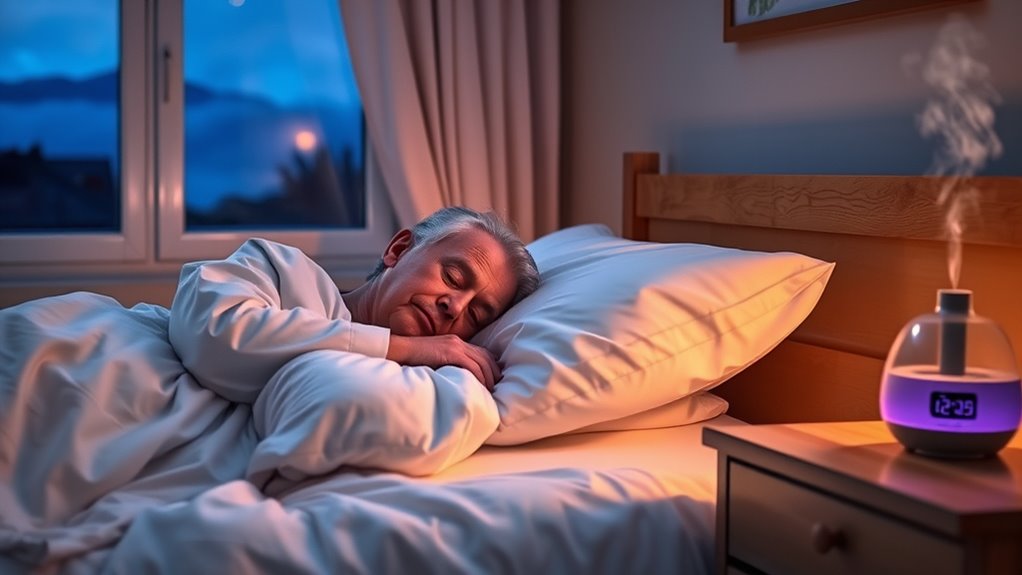
Getting quality sleep becomes increasingly important as you age, yet it can also become more challenging. As your body changes, so do your sleep patterns, making it essential to develop good sleep hygiene practices. One of the most effective ways to promote better sleep is by establishing consistent bedtime routines. When you follow a set routine each night, your body learns to recognize signals that it’s time to wind down. This could include activities like reading a book, taking a warm bath, or practicing relaxation exercises. Avoid stimulating activities such as watching intense TV shows or scrolling through your phone right before bed, as these can interfere with your ability to fall asleep. Instead, choose calming activities that prepare your mind and body for rest.
Creating an ideal sleep environment is equally crucial. Your bedroom should be a sanctuary dedicated to sleep. Keep the room cool, ideally between 60 and 67 degrees Fahrenheit, as lower temperatures help facilitate sleep. Make sure your mattress and pillows are comfortable and supportive, reducing any physical discomfort that might wake you during the night. Light can also disrupt your sleep, so use blackout curtains or an eye mask to block out external sources of light. Noise is another factor; if your environment isn’t quiet, consider using earplugs or a white noise machine to drown out background sounds. Establishing a sleep-friendly environment helps your body associate this space with rest and relaxation, making it easier to fall asleep and stay asleep through the night. Practicing sleep hygiene regularly can significantly improve overall sleep quality and duration.
Consistency is key, so try to go to bed and wake up at the same times every day—even on weekends. This regularity helps regulate your internal clock, leading to more restorative sleep. Limit caffeine and alcohol intake, especially in the hours close to bedtime, as both can interfere with your sleep cycle. Be mindful of screen time before bed; the blue light emitted by phones, tablets, and computers can suppress melatonin, the hormone that signals your body it’s time to sleep. Instead, opt for activities that promote relaxation and signal to your body that it’s time to rest.

Dyonery Twin XL Adjustable Bed Base Frame with Wireless Remote + 12 Inch Twin XL Gel Memory Foam Mattress Bed in a Box, Head and Foot Incline, Zero Gravity, Fiberglass Free, 80" × 38"
【Adjustable Bed Frame with Mattress】 You can adjust the bed to the best position(Head 0-57°,Foot 0-38°) .Upgrad Zero...
As an affiliate, we earn on qualifying purchases.
Frequently Asked Questions
Can Older Adults Take Sleep Aids Safely Long-Term?
You shouldn’t take sleep aids long-term without consulting your doctor, as their long-term safety can be uncertain. Prolonged use may lead to dependence or side effects. Instead, explore alternative options like improving sleep hygiene, engaging in regular exercise, or trying cognitive behavioral therapy. These approaches can help you sleep better sustainably and safely, reducing the need for medications and supporting overall health in the long run.
How Does Diet Impact Sleep Quality in Seniors?
Your diet considerably impacts your sleep quality, especially through nutritional timing and dietary supplements. Eating heavy or sugary foods close to bedtime can disrupt your sleep, while lighter meals rich in magnesium or tryptophan promote relaxation. Incorporating dietary supplements like melatonin or magnesium may also help. Focus on maintaining a balanced diet and strategic meal timing to improve your sleep patterns naturally and feel more rested each morning.
Are There Specific Exercises to Improve Sleep in Older Adults?
You can improve your sleep by incorporating specific exercise routines like walking, stretching, or gentle yoga into your daily schedule. These activities help reduce stress and promote relaxation. Pairing exercise with relaxation techniques such as deep breathing or meditation can further enhance your sleep quality. Make sure to exercise earlier in the day to avoid overstimulation before bedtime, creating a calming routine that supports restful sleep.
How Do Medications for Other Conditions Affect Sleep Patterns?
Medications for other conditions can subtly influence your sleep patterns through medication interactions, often leading to sleep disruption. Some drugs may cause restlessness or drowsiness, shifting your natural rhythm. It’s essential to discuss these effects with your healthcare provider, who can adjust dosages or suggest alternatives. By understanding these nuances, you can better manage your sleep and overall health, ensuring your medications support your well-being rather than hinder it.
What Are Non-Pharmacological Strategies for Sleep Improvement?
You can improve your sleep by practicing mindfulness meditation, which helps calm your mind before bed. Creating a comfortable sleep environment is also key—keep your room cool, dark, and quiet. Establish a relaxing bedtime routine, avoid screens, and stick to consistent sleep and wake times. These non-pharmacological strategies help promote restful sleep naturally and can make a significant difference in your overall sleep quality.

Marsail NS1 Massage Adjustable Base with Mattress Set, Queen Adjustable Bed Frame + 12-inch Cooling Gel Memory Foam Mattress, Dual Motor Bed Frame with Wireless Remote, CertiPUR-US Certified
Dual-Motor Adjustable Base - Independently raise your head (0-60°) and legs (0-45°) for customized comfort in reading, TV...
As an affiliate, we earn on qualifying purchases.
Conclusion
By prioritizing your sleep hygiene, establishing consistent routines, and creating a restful environment, you can improve your sleep quality. By avoiding screens before bed, limiting caffeine intake, and staying active during the day, you support healthier sleep patterns. By making these small changes, you take control of your sleep, enhance your well-being, and enjoy more restful nights. Remember, better sleep begins with conscious choices, so commit to your sleep health today for a brighter, healthier tomorrow.
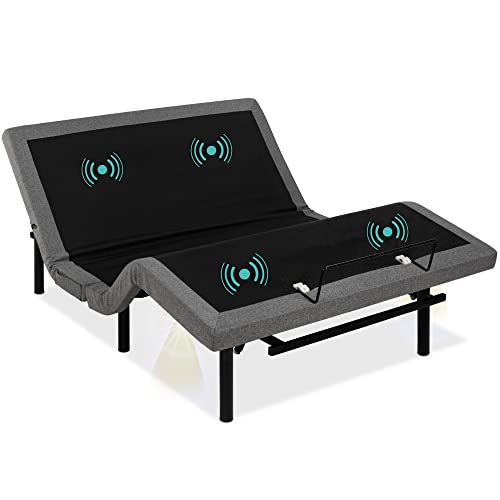
Best Choice Products Ergonomic Queen Size Adjustable Bed Frame, Electric Base w/Wireless Remote Control, Nightlight, Massager, 2 USB Ports
ADJUSTABLE POSITIONS: Find your ultimate sleeping position; choose from the TV, Head-Tilt, and Zero Gravity preset positions, or...
As an affiliate, we earn on qualifying purchases.

Sven & Son Classic Adjustable Bed Base, Head and Foot Lift, Massage, Under-Bed Lights, USB, Gel Memory, Zero Gravity Smart Frame - Split King + 14 inch Hybrid Spring Matt (Medium Soft)
Unmatched Comfort & Adjustability: Elevate your sleeping experience with our head (up to 75°) and foot (up to...
As an affiliate, we earn on qualifying purchases.