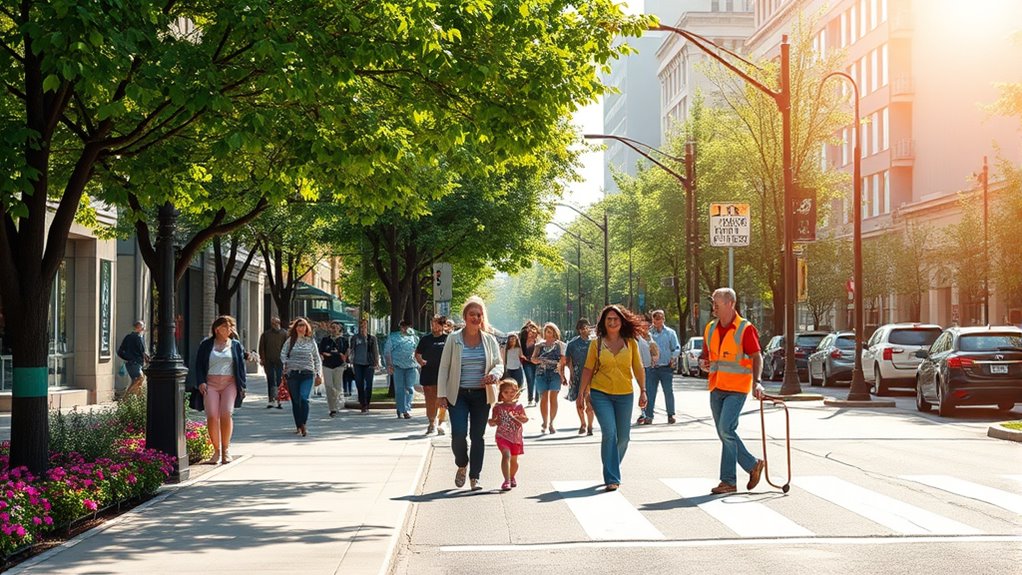

To encourage safe walking and movement, focus on clear signage, well-marked crosswalks, and pedestrian-friendly infrastructure. Educate both pedestrians and drivers on safety practices like looking both ways and obeying signals. Use community campaigns, workshops, and school programs to raise awareness. Installing safety features such as curb extensions and countdown signals also helps. If you want practical tips on creating a safer environment for all, keep exploring what strategies you can implement.
Key Takeaways
- Improve signage, crosswalks, and signals to clearly guide pedestrians and give ample crossing time.
- Educate pedestrians and drivers through community campaigns on safe crossing behaviors and traffic rules.
- Incorporate traffic safety lessons into school curricula to foster early awareness and responsible habits.
- Install infrastructure like raised crosswalks and countdown signals to enhance pedestrian visibility and safety.
- Utilize technology such as AI-powered monitoring to identify hazards and optimize safety measures in real time.
Have you ever considered how simple changes can make walking safer for everyone? It’s often the small adjustments that lead to the biggest improvements, especially when it comes to pedestrian safety. Promoting awareness of traffic patterns and educating people on pedestrian safety tips can considerably reduce accidents and encourage more walking in your community. When everyone understands how traffic awareness works, drivers and pedestrians can better anticipate each other’s movements, creating a safer environment for all.
One of the most effective ways to encourage safe walking is to emphasize traffic awareness. You can do this by advocating for clearer signage, well-marked crosswalks, and signals that give pedestrians enough time to cross safely. When pedestrians are aware of traffic flow, they can make better decisions about when to cross and how to position themselves on the road. Similarly, drivers need to stay alert for pedestrians, especially in busy areas or near schools and parks. Educating both groups about each other’s responsibilities fosters mutual respect and reduces risky behaviors.
Sharing pedestrian safety tips is another essential step. Remind walkers to stay on designated paths, look both ways before crossing, and avoid distractions like phones when near traffic. Wearing visible clothing at night or in poor weather conditions also helps drivers see pedestrians more clearly. For drivers, the tips include slowing down in high pedestrian zones, obeying traffic signals, and being especially cautious at intersections and crosswalks. If everyone follows these simple guidelines, the chances of accidents decrease dramatically.
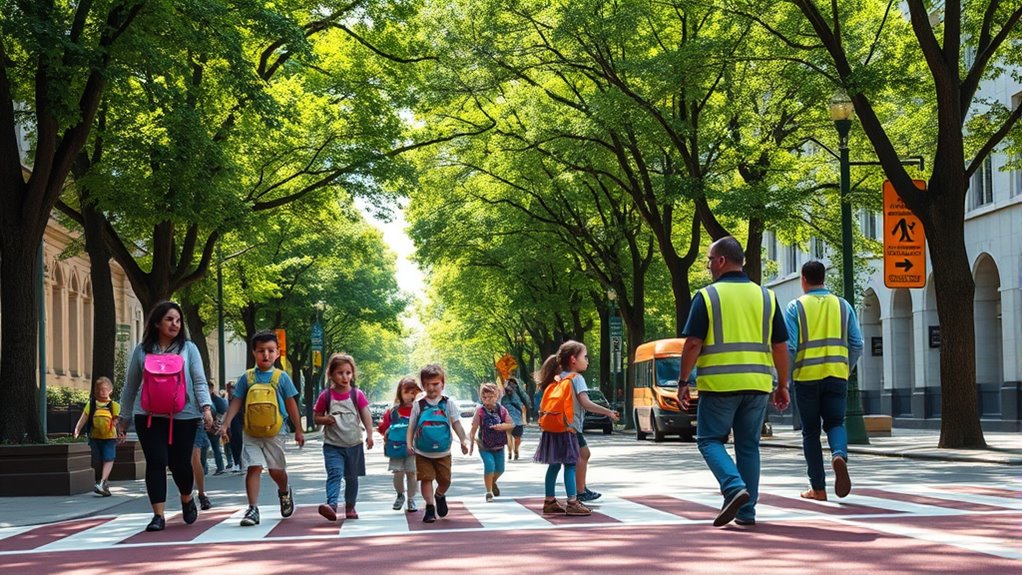
Community programs can play an important role here. Organize workshops or campaigns that highlight traffic awareness and pedestrian safety tips. Use local media, social media, and community events to spread the message. When people understand the importance of these practices, they’re more likely to adopt them consistently. Schools can incorporate traffic safety lessons into their curriculum, teaching children how to walk safely and behave responsibly near roads. These educational efforts foster a culture of safety that sticks with individuals for life.
Additionally, infrastructure improvements support safe walking. Installing more pedestrian-friendly features like raised crosswalks, curb extensions, and pedestrian countdown signals helps reinforce safety practices. When the environment encourages safe behavior, people naturally feel more confident walking and crossing streets. Incorporating AI-powered tools can also help monitor and improve pedestrian safety through real-time data analysis. Ultimately, a combination of increased traffic awareness, practical pedestrian safety tips, and supportive infrastructure creates a community where walking is safe, accessible, and appealing for everyone. By taking these proactive steps, you help foster a culture that values safety and encourages healthy movement, making your neighborhood a better place to walk every day.

Achairgo Patient Lift Transfer Chair - Electric Assist Lift Aid for Home Care Use - Portable Folding for Car - Transport Wheelchair for Seniors, Adults & Disabled
3-Year Guarantee eligibility: allowing customers to have the product reliability. Purchase now with confidence!
As an affiliate, we earn on qualifying purchases.
Frequently Asked Questions
How Can Technology Improve Pedestrian Safety?
Technology can greatly improve your safety while walking by utilizing smart crossings that detect your presence and automatically activate signals, making crossings safer. Wearable alerts can notify you of approaching vehicles or hazards, keeping you aware of your surroundings. These innovations help you make better decisions, reduce accidents, and navigate streets confidently. By embracing smart crossings and wearable alerts, you can enjoy safer, more secure walking experiences every day.
What Are Common Barriers to Safe Walking?
You face barriers like inconsistent street lighting and unpredictable pedestrian behavior that can turn your walk into a gamble. Poor lighting casts shadows over your path, while hurried or distracted pedestrians disrupt the flow of safe movement. These obstacles create a treacherous landscape, making it harder to see hazards or anticipate others’ actions. To navigate safely, you need well-lit streets and awareness of how pedestrian behavior influences the rhythm of your journey.
How Do Cultural Differences Affect Walking Safety?
Cultural attitudes greatly influence walking safety by shaping behaviors and perceptions of risk. For example, some cultures prioritize footwear customs, like wearing protective shoes, which can reduce injuries. You might find that in certain regions, people walk barefoot or in open sandals, increasing fall or injury risks. Understanding these cultural differences helps you adapt safety strategies, encouraging safer walking habits tailored to local customs and attitudes.
What Role Do Urban Planners Play in Pedestrian Safety?
Urban planners play a crucial role in pedestrian safety through thoughtful urban design and effective street lighting. You can guarantee sidewalks are wide and accessible, crossings are clearly marked, and traffic calming measures are in place. Proper street lighting helps pedestrians see better at night and feel safer. By prioritizing these elements, you create inviting, secure environments that encourage safe walking and movement for everyone.
How Can Schools Promote Safe Walking Habits?
You can promote safe walking habits by creating walking incentives and launching safety campaigns that catch students’ attention. Ironically, making walking fun and rewarding often encourages more kids to step outside rather than rely on buses. Organize competitions, reward points for walking, and involve teachers in safety messages. These efforts help students understand the importance of safety while making walking an appealing, routine activity rather than a chore.

VOCIC Sit to Stand Lift, One-Step Stand Assist Lift for Elderly, Patient Lift Chair Transport Unit with Wheels, Fall Prevention & Muscle Building, AY03 2026 Upgraded
SMOOTH PATIENT TRANSFER & LIFT: Simplify daily transitions for seniors or patients with limited mobility. This stand assist...
As an affiliate, we earn on qualifying purchases.
Conclusion
By blending basic precautions with proactive practices, you empower yourself to walk safely and securely. Remember to remain vigilant, wear visible clothing, and heed traffic signals. These small, simple steps markedly strengthen your safety stance on the street. Staying alert, aware, and attentive transforms everyday walks into secure, stress-free strides. So, step with confidence, stay cautious, and carry your care consciously—because a safe stroll starts with smart choices and steadfast vigilance.

VOCIC Movable Electric Chair Lift with 4 Wheels, Portable Rolling Chair Lift with T-Stabilized Base, Short-Distance Transport, Help Stand from Floor for Seniors, Supports 350 LBS, AX35
[Effortless Room-to-room Transfers] - Equipped with 4 smooth rollers that glide over a variety of floor surfaces, this...
As an affiliate, we earn on qualifying purchases.

MAIDeSITe Electric Chair Lift, Stand Up Independently from Floor, Support Up to 300 LBS, Chair Lift for Elderly, JC35M3
[Effortless Standing Assistance for Dignity] - Say goodbye to reliance on others. Our electric lift chair uses motorized...
As an affiliate, we earn on qualifying purchases.