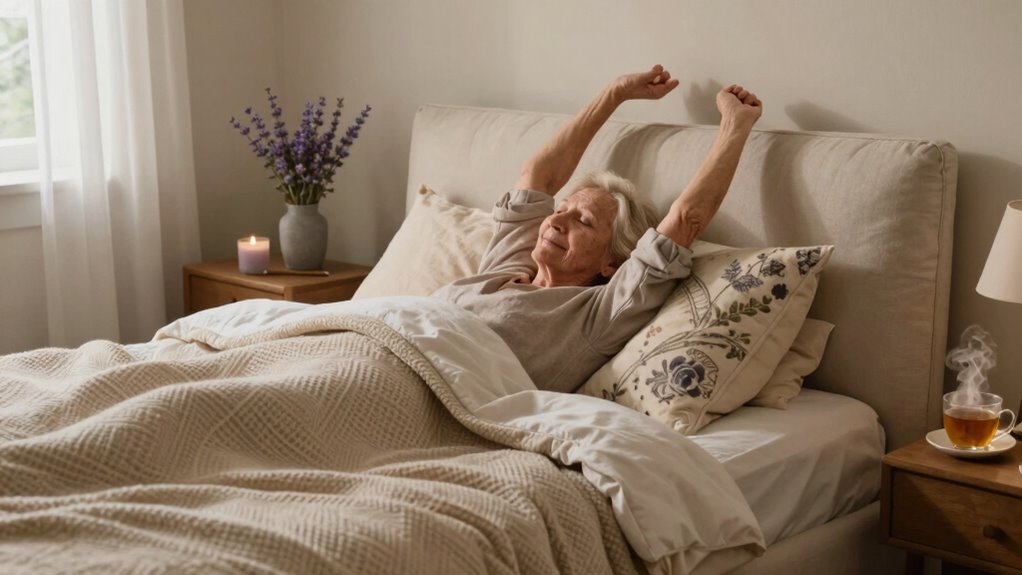

To encourage better sleep in later life, create a calming sleep environment by keeping your room quiet, dark, and cool, and invest in comfortable bedding. Establish a consistent bedtime routine, avoiding screens and stimulating activities before bed. Focus on relaxation techniques like deep breathing or gentle stretching, and consider natural aids such as aromatherapy or herbal teas. Small changes can make a big difference—continue exploring ways to improve your sleep for more helpful tips.

Get health and wellness essentials delivered free — and shop member deals
- Fast, free delivery on millions of items
- Access to Prime Big Deal Days deals on October 6–7
- Prime Video, Amazon Music and more included
Key Takeaways
- Maintain a consistent sleep schedule, even on weekends, to regulate the body’s internal clock.
- Create a comfortable sleep environment by controlling light, noise, and room temperature.
- Limit electronic device use before bed and incorporate relaxing routines like reading or gentle stretching.
- Use calming natural aids such as lavender or chamomile oils to promote relaxation.
- Avoid caffeine, alcohol, and heavy meals close to bedtime to improve sleep quality.
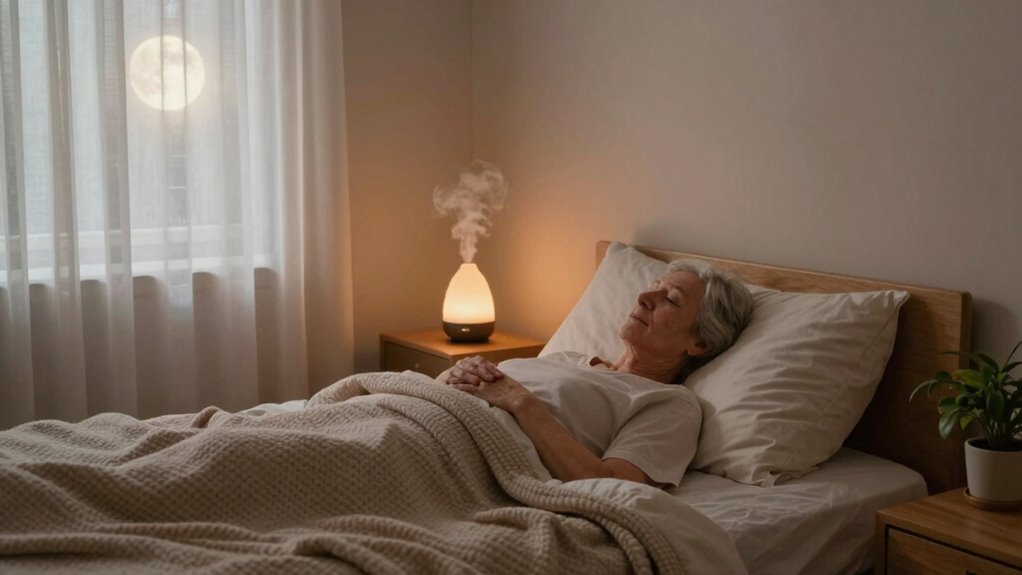
Getting enough quality sleep becomes more challenging as you age, but there are practical steps you can take to improve it. Your sleep environment plays a vital role. Make sure your bedroom is quiet, dark, and cool. Use blackout curtains or an eye mask to block out light, and consider earplugs if noise is an issue. Keep the temperature comfortable — neither too hot nor too cold — to help your body relax. Invest in a supportive mattress and pillows that align with your comfort needs. Removing electronic devices from your bedroom can also make a difference, as screens emit blue light that interferes with melatonin production, making it harder to fall asleep. Creating a sleep-friendly environment helps signal to your body that it’s time to rest, promoting deeper, more restorative sleep. Additionally, plant varieties, like Gerbera, can even be used to create a calming natural atmosphere in your bedroom space. These plants are known for their air-purifying qualities and can contribute to a healthier sleep environment. Incorporating aromatherapy, such as lavender or chamomile essential oils, can further enhance relaxation and promote sleep naturally. Additionally, choosing natural sleep aids or herbal remedies can support relaxation without the risks associated with medications. Incorporating sleep-promoting habits, like maintaining a consistent schedule and relaxing rituals, can further enhance your sleep quality.
Establishing a consistent bedtime routine is equally important. Going to bed and waking up at the same time each day helps regulate your internal clock. Even on weekends, try to keep your schedule steady. Before bed, engage in calming activities like reading, gentle stretching, or listening to soothing music. Avoid caffeine, alcohol, and heavy meals close to bedtime, as these can disrupt your sleep cycle. Instead, opt for a warm, non-caffeinated beverage like herbal tea or milk if you need a relaxing ritual. Dim the lights and limit stimulating activities in the hour leading up to sleep. This signals to your brain that it’s time to wind down and prepares your body for rest.
Incorporating a relaxing bedtime routine can also include practices like deep breathing exercises or meditation, which help reduce stress and quiet your mind. Avoid screens during this time, since the blue light they emit suppresses melatonin, the hormone that promotes sleep. Keeping a regular routine not only helps you fall asleep faster but also improves sleep quality throughout the night. Over time, these habits reinforce your body’s natural sleep signals, making it easier to drift off and stay asleep.
As an affiliate, we earn on qualifying purchases.
Frequently Asked Questions
Can Certain Medications Affect Sleep Quality in Older Adults?
Certain medications can definitely affect your sleep quality, especially in older adults. You need to be aware of medication interactions that may cause insomnia or disrupted sleep patterns. It’s also essential to manage side effects, like restlessness or dry mouth, which can interfere with restful sleep. Talk to your healthcare provider about your medications, and don’t hesitate to ask about alternatives or strategies for side effect management to improve your sleep.
How Does Diet Impact Sleep in Later Life?
Your diet considerably impacts your sleep in later life. Good sleep hygiene includes eating balanced meals and avoiding heavy or spicy foods before bed. Incorporate dietary supplements like melatonin or magnesium if recommended by your healthcare provider, as they can promote relaxation. Eating earlier in the evening and limiting caffeine or alcohol also helps improve sleep quality, ensuring you wake refreshed and ready for the day.
Are Sleep Aids Safe for Long-Term Use in Seniors?
Sleep aids can be risky for long-term use in seniors, as they may cause dependency or side effects. Instead, focus on improving sleep hygiene by establishing a consistent sleep schedule and creating a relaxing bedtime routine. This approach can positively influence your dream patterns and overall sleep quality. If sleep issues persist, consult a healthcare professional to explore safer, more effective strategies tailored to your needs.
What Are Non-Medical Strategies to Reduce Nighttime Awakenings?
To reduce nighttime awakenings, you can practice relaxation techniques like deep breathing or gentle stretching before bed. Creating a comfortable sleep environment is also key—keep your room cool, dark, and quiet. Avoid screens and caffeine in the evening, and establish a consistent sleep schedule. These non-medical strategies help your body relax and stay asleep longer, promoting better rest without relying on medication.
How Does Sleep Quality Influence Overall Health in Older Adults?
Good sleep quality profoundly impacts your overall health as you age. When you practice proper sleep hygiene, you promote better rest, which helps regulate your circadian rhythms. This regulation improves your immune system, mood, and cognitive function while reducing risks of chronic illnesses. Prioritizing consistent sleep routines and creating a restful environment supports these biological processes, ensuring you wake up refreshed and healthier every day.
As an affiliate, we earn on qualifying purchases.
Conclusion
Getting better sleep in later life isn’t just about feeling rested — it can also boost your overall health. Did you know that nearly 50% of older adults experience sleep problems? By sticking to a consistent schedule, creating a relaxing bedtime routine, and staying active during the day, you can improve your sleep quality. Don’t underestimate the power of small changes; they can make a big difference in how you feel each morning and throughout the day.
lavender essential oil for sleep
As an affiliate, we earn on qualifying purchases.
As an affiliate, we earn on qualifying purchases.
As an affiliate, we earn on qualifying purchases.
Fall Picks
fall essentials
As an affiliate, we earn on qualifying purchases.