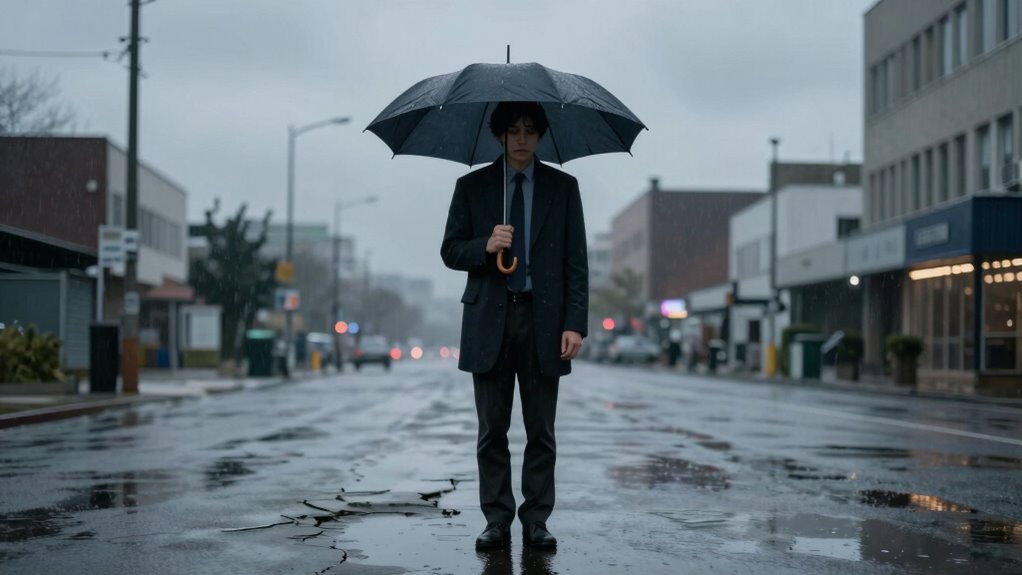

Even when your external life looks successful, sadness can still surface because emotions are complex and driven by subconscious factors beyond just circumstances. You might be ignoring underlying stressors or unresolved feelings that aren’t immediately visible. Your feelings don’t always match your achievements, and that’s normal. Developing awareness of your emotional triggers and coping strategies can help you better understand these feelings. Keep exploring—there’s more to uncover about managing sadness effectively.

Get health and wellness essentials delivered free — and shop member deals
- Fast, free delivery on millions of items
- Access to Prime Big Deal Days deals on October 6–7
- Prime Video, Amazon Music and more included
Key Takeaways
- Sadness can stem from subconscious feelings unrelated to external success or failures.
- Emotional responses are complex and may persist despite positive circumstances.
- Unhealthy coping mechanisms, like avoidance or overworking, can trigger lingering sadness.
- Internal triggers and emotional regulation influence how sadness manifests regardless of achievements.
- Building resilience and seeking support helps manage persistent sadness effectively.

Have you ever felt sad even when everything in your life seems to be going well? It’s a confusing experience, especially when you’ve worked hard to maintain balance and positivity. That sadness can feel like it’s coming out of nowhere, leaving you puzzled about what’s wrong. The truth is, even when you’re doing everything “right,” your mind and body sometimes respond to underlying stressors or unresolved feelings that aren’t immediately obvious. This is where understanding your coping mechanisms and emotional resilience becomes essential. These tools help you navigate complex emotions and build the strength to face sadness without letting it overwhelm you.
Feeling sad despite everything going well? Understanding your emotions and resilience is key to managing these unexpected feelings.
Coping mechanisms are the strategies you use—conscious or unconscious—to handle emotional discomfort. They might be healthy, like talking to a friend, exercising, or practicing mindfulness. Or they can be less helpful, like avoiding situations, denying feelings, or overworking yourself. When sadness appears despite your efforts to stay positive, it’s often a sign that your coping mechanisms need adjustment or reinforcement. Sometimes, you might rely on distraction to escape difficult feelings, but that doesn’t resolve the root cause. Recognizing which coping strategies serve you and which don’t is crucial to understanding your emotional health. Over time, cultivating healthier coping mechanisms can strengthen your emotional resilience, making it easier to manage unexpected sadness.
Emotional resilience is your ability to bounce back from setbacks and handle stress without losing your sense of stability. When you’re resilient, you accept that sadness is a natural part of human experience, not something to be avoided at all costs. Resilience doesn’t mean you never feel sad—it means you can process those feelings constructively and return to a balanced state more quickly. Building resilience involves practicing self-compassion, staying connected with supportive people, and developing a mindset that views challenges as opportunities for growth. The more resilient you become, the less likely you are to be thrown off course by fleeting feelings of sadness, even when your external circumstances are positive. Additionally, understanding the impact of contrast ratio and other image quality factors can influence how you engage with visual content during your downtime, helping foster a more positive emotional environment. Recognizing that emotional regulation plays a key role in managing feelings of sadness can also empower you to develop healthier responses. Moreover, developing awareness of your internal triggers can help you identify early signs of emotional shifts before they become overwhelming.
Finally, it’s important to remember that mental health is multifaceted and sometimes requires professional support to fully address underlying issues. As you work on strengthening your emotional resilience, consider exploring different strategies like mindfulness or therapy, which can provide additional coping tools for managing complex feelings. Ultimately, feeling sad despite doing everything right isn’t a sign of failure. It’s a reminder that emotions are complex and often rooted in deeper, sometimes subconscious, processes. By strengthening your coping mechanisms and emotional resilience, you can navigate these feelings with greater ease, gaining insight into yourself and creating a foundation for lasting well-being. Recognize that sadness is part of the human experience and that you have the tools within you to manage it effectively.
mindfulness meditation for emotional resilience
As an affiliate, we earn on qualifying purchases.
As an affiliate, we earn on qualifying purchases.
Frequently Asked Questions
Can Sadness Be a Sign of Underlying Health Issues?
Sadness can sometimes be a sign of underlying health issues, especially if it persists or worsens. You might notice physical symptoms like fatigue, changes in sleep, or appetite. It’s important to seek medical evaluations when these signs appear, as they can help identify conditions like hormonal imbalances or neurological issues. Addressing underlying health problems often improves emotional well-being, so don’t hesitate to consult a healthcare professional if your sadness feels prolonged or severe.
How Long Does It Typically Take to Feel Better?
Like a storm passing through, your recovery time varies; it can take days, weeks, or even months. To navigate this, you need strong coping strategies and emotional resilience. Focus on small wins, stay connected, and practice self-compassion. Remember, healing isn’t linear, and patience is key. With consistent effort, you’ll find calmer waters ahead. Trust the process, and give yourself grace during this journey to feeling better.
Are There Specific Activities That Can Help Reduce Sadness?
Yes, engaging in mindfulness exercises and physical activity can help reduce sadness. You might try deep breathing or meditation to center yourself and manage your emotions better. Physical activities like walking, jogging, or yoga boost your mood by releasing endorphins. Incorporating these activities into your routine can create a sense of calm and increase your overall well-being, making it easier to cope with sadness and maintain emotional balance.
Does Sadness Always Indicate Emotional Weakness?
Sadness isn’t a sign of emotional weakness; it’s like a storm passing through, showing that you’re human. Instead of questioning your mental strength or resilience, recognize that experiencing sadness is natural, even when you’re doing everything right. It reflects your emotional resilience—your ability to feel deeply and recover. Embracing these feelings helps build mental strength, reminding you that vulnerability is part of genuine growth and resilience, not weakness.
When Should I Seek Professional Help for Persistent Sadness?
You should seek professional help when persistent sadness lasts for weeks, affects your daily life, or feels overwhelming despite trying coping strategies. Remember, mental health myths can make you think you should handle everything alone, but a mental health professional can offer support and guidance. Don’t hesitate to ask for help—prioritizing your mental well-being is essential, even if you’re doing everything right.
journaling for emotional awareness
As an affiliate, we earn on qualifying purchases.
As an affiliate, we earn on qualifying purchases.
Conclusion
Remember, even when you’re doing everything right, sadness can still visit like an uninvited guest. It’s a reminder that life isn’t always about the perfect steps but about weathering the storms and embracing the calm afterward. Just as a tree bends with the wind, you’ve got the strength to bend and grow through tough times. Keep holding on, because after the rain, the sun always finds its way back, shining brighter than before.
As an affiliate, we earn on qualifying purchases.
As an affiliate, we earn on qualifying purchases.
Cold & flu season Picks
humidifiers
As an affiliate, we earn on qualifying purchases.