

Experiencing strong emotions like grief, sadness, or anger is natural as you watch your loved one decline. These feelings can surface unexpectedly and fluctuate throughout your caregiving journey, often triggered by milestones or setbacks. It’s common to go between hope and despair, and guilt may arise over your emotional responses. Recognizing and validating these feelings helps you manage them better. If you want to explore how to navigate these emotional reactions, there’s more to discover below.
Key Takeaways
- Caregivers often experience grief, sadness, and anger when their loved one’s condition declines.
- Emotional reactions may fluctuate, especially during milestones or setbacks, requiring patience and self-awareness.
- Acknowledging and expressing feelings helps process grief and prevents emotional suppression.
- Building resilience through support, hobbies, and self-care strengthens emotional coping abilities.
- Balancing emotional well-being with caregiving duties is essential for sustained compassionate care.

Caring for a loved one whose health is declining can trigger a complex mix of emotional reactions that are often difficult to manage. One of the most intense feelings you might experience is grief, which can surface unexpectedly and hit hard. Grief processing isn’t a straightforward journey; it involves confronting feelings of loss, sadness, and even anger as you watch the gradual decline of someone you care about. You might find yourself oscillating between hope and despair, feeling guilty for experiencing these emotions, or questioning whether you’re doing enough. It’s important to recognize that grief is a natural response, and allowing yourself to feel it without judgment is part of maintaining your emotional health. Often, this process requires patience and self-compassion, knowing that healing doesn’t happen overnight.
As you navigate these emotional waters, building and maintaining caregiver resilience becomes essential. Resilience isn’t about suppressing emotions but rather developing the strength to face them and keep going despite challenges. You learn to adapt to new realities, balancing your own needs with those of your loved one. Resilience involves cultivating a mindset that acknowledges the difficulty of the situation while emphasizing your capacity to cope. This might mean seeking support from friends, joining caregiver support groups, or simply setting boundaries to protect your mental health. Engaging in activities that replenish your energy, like exercise or hobbies, also bolsters your resilience. When you actively nurture your emotional well-being, you become better equipped to handle the ongoing stresses that come with caregiving. Additionally, understanding and utilizing email marketing tools like Mailchimp can help streamline communication efforts with your support network, providing an additional layer of emotional reassurance.
It’s essential to understand that emotional reactions fluctuate, and feelings of grief may resurface repeatedly, especially during significant milestones or moments of decline. Developing resilience doesn’t mean you’ll never feel overwhelmed or sad again; instead, it means you learn strategies to bounce back more effectively. Recognizing your emotional responses as valid helps you avoid bottling up feelings that could lead to burnout or depression. Remember, resilience is a skill you strengthen over time, and seeking help when needed is a sign of strength, not weakness.
Emotional ups and downs are normal; resilience grows with time and support.
Ultimately, managing your emotional reactions while caring for someone whose health is declining calls for a delicate balance. Embrace your feelings, process grief at your own pace, and actively work on building resilience. Doing so not only helps you cope better but also ensures you can continue providing compassionate care without sacrificing your well-being. Your emotional health matters just as much as your loved one’s, and nurturing it is essential for sustaining both your resilience and your capacity to care.

The Conscious Caregiver: A Mindful Approach to Caring for Your Loved One Without Losing Yourself
As an affiliate, we earn on qualifying purchases.
As an affiliate, we earn on qualifying purchases.
Frequently Asked Questions
How Can Caregivers Manage Feelings of Guilt During Decline?
To manage guilt during your loved one’s decline, focus on guilt management by recognizing that you’re doing your best. Practice emotional resilience by accepting your feelings without judgment and seeking support from friends, family, or support groups. Remember, caregiving is challenging, and feeling guilty is normal. Prioritize self-care and celebrate small victories, which helps you stay balanced and compassionate, ensuring you can provide the best care without overwhelming guilt.
What Are Common Long-Term Emotional Effects on Caregivers?
They say “what doesn’t kill you makes you stronger,” but long-term caregiving can challenge your emotional resilience. You might experience burnout, anxiety, or depression as emotional effects of caring for a declining loved one. Over time, these feelings can erode your caregiver resilience if not addressed. Prioritize self-care, seek support, and remember that maintaining your emotional health is essential for both you and your loved one’s well-being.
How Does Caregiver Grief Differ From Traditional Grief?
Caregiver grief differs from traditional grief because it deeply intertwines with your caregiver identity, making the loss feel personal and ongoing. You might find your emotional resilience tested more intensely, as you’re balancing your role while mourning. Unlike traditional grief, which often follows a clear endpoint, caregiver grief can persist, evolving with your ongoing responsibilities, requiring you to adapt and find new ways to cope while maintaining your sense of purpose.
Are There Support Groups Specifically for Emotional Reactions?
A support group is worth a thousand words. Yes, there are support group options specifically for emotional reactions to caregiving. These networks provide emotional support, understanding, and shared experiences that can help you cope. You can find local or online groups through organizations like the Alzheimer’s Association or caregiver support centers. Connecting with others who understand your journey offers comfort and strength during challenging times.
How Can Caregivers Maintain Their Mental Health While Coping?
You can maintain your mental health by practicing self-care strategies like regular exercise, proper sleep, and mindfulness. Prioritize emotional resilience by setting boundaries, seeking support, and allowing yourself to feel and process emotions. Remember to take breaks and engage in activities you enjoy. Connecting with support groups provides additional strength, but focusing on these strategies helps you stay balanced and better cope with the ongoing challenges of caregiving.

Building Resilience in Children and Teens: Giving Kids Roots and Wings
As an affiliate, we earn on qualifying purchases.
As an affiliate, we earn on qualifying purchases.
Conclusion
So, next time your loved one’s health takes a nosedive, don’t bother pretending you’re a rock. Embrace the chaos, feel every ounce of frustration, sadness, or even relief — because, hey, who needs emotional stability when you’ve got a front-row seat to life’s rollercoaster? Remember, it’s all part of the grand, messy dance of caregiving. So, buckle up, laugh at the absurdity, and remind yourself you’re surviving, one emotional meltdown at a time.
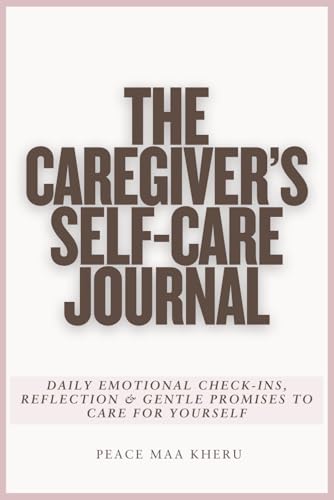
The Caregiver's Self-Care Journal: Daily Emotional Check-Ins, Reflection and Gentle Promises to Care for Yourself
As an affiliate, we earn on qualifying purchases.
As an affiliate, we earn on qualifying purchases.

The Complete Caregiver Support Guide – A Reproducible Workbook for Groups and Individuals (Spiral-Bound)
Used Book in Good Condition
As an affiliate, we earn on qualifying purchases.
As an affiliate, we earn on qualifying purchases.