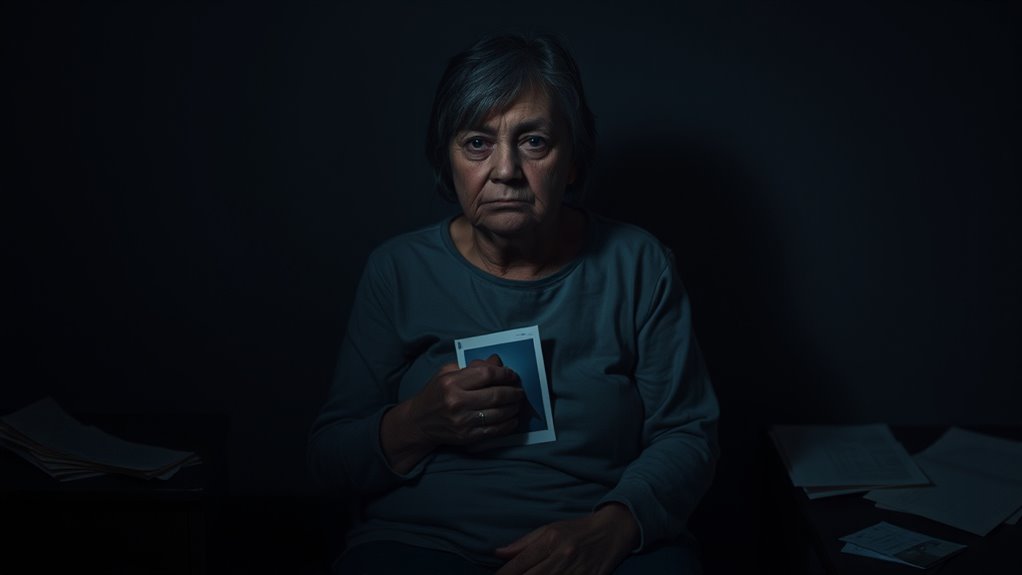

Caring for someone with PTSD can be emotionally draining, often leading to secondary trauma and high caregiving stress. You may feel overwhelmed, isolated, or helpless as you manage unpredictable reactions and emotional pain. Connecting with support networks, setting boundaries, and practicing self-care are essential in coping. Recognizing these challenges and seeking strategies can make a difference. If you want to understand more about managing this stress, there’s helpful information you can explore further.
Key Takeaways
- Caregivers of PTSD sufferers often experience secondary trauma, leading to emotional exhaustion and increased stress levels.
- Building support networks with others facing similar challenges can alleviate feelings of isolation and validate caregivers’ experiences.
- Effective coping strategies include self-care, setting boundaries, and practicing relaxation techniques to manage caregiving-related stress.
- Recognizing and addressing secondary trauma early with professional help can improve emotional resilience and overall well-being.
- Accessing practical resources such as respite care and mental health services provides essential relief and support for caregivers.

Caring for someone with PTSD can take a serious toll on your mental health, often leading to high levels of stress that few caregivers anticipate. The emotional weight of constantly being alert, managing unpredictable reactions, and attending to your loved one’s needs can become overwhelming. It’s easy to feel isolated or helpless when you’re caught in a cycle of supporting someone through their trauma. That’s why building strong support networks is essential. Connecting with others who understand what you’re going through—whether through support groups, friends, family, or mental health professionals—can provide relief and practical advice. Knowing you’re not alone helps diminish feelings of isolation and reassures you that others have navigated similar challenges. These networks serve as a fundamental resource, offering emotional validation, shared experiences, and sometimes even tangible assistance like respite care.
In addition to support networks, developing effective coping strategies is essential for maintaining your well-being. Caregiving often triggers secondary trauma, where you absorb some of the emotional pain your loved one experiences. To counter this, you need to prioritize self-care and implement strategies that help you manage stress. Simple techniques like deep breathing, mindfulness, or short walks can create space for emotional relief. Setting boundaries is also key; recognize your limits and don’t hesitate to ask for help or take breaks when needed. Maintaining routines, engaging in hobbies, and ensuring you get enough sleep help stabilize your emotional state. It’s important to acknowledge that your feelings are valid and that seeking professional help isn’t a sign of weakness but a step toward resilience. Therapists can teach you coping strategies specifically tailored to caregiving stress and secondary trauma, equipping you with tools to process your emotions healthily. Additionally, incorporating well-being tips such as relaxation techniques or comfortable support solutions can further support your mental health during this challenging time.
Top picks for "ptsd secondary trauma"
Open Amazon search results for this keyword.
As an affiliate, we earn on qualifying purchases.
Frequently Asked Questions
How Can Caregivers Recognize Their Own Trauma Symptoms?
You can recognize your own trauma symptoms by practicing emotional awareness and paying close attention to how you feel physically and emotionally. Look for signs like persistent sadness, anxiety, irritability, or difficulty sleeping. Notice if you feel overwhelmed or detached. Symptom identification involves tracking these changes regularly, so you can address them early. Being mindful of your responses helps you understand when your stress levels are rising and when you might need support.
What Are Effective Self-Care Strategies for Caregiving Stress?
You might think ignoring stress keeps it at bay, but effective self-care involves embracing it. Building emotional resilience and practicing mindfulness techniques help you stay grounded and recharge. Take breaks, breathe deeply, and set boundaries—these simple acts protect your well-being. Prioritize self-compassion, stay connected with support, and remember that caring for yourself isn’t selfish; it’s essential for sustaining your caregiving strength.
How Does Secondary Trauma Differ From Primary PTSD?
Secondary trauma differs from primary PTSD because it results from your exposure to others’ traumatic experiences, leading to empathy fatigue and compassion burnout. While primary PTSD stems from direct trauma, secondary trauma affects you indirectly through caring for others. You might notice emotional exhaustion, decreased empathy, or feelings of helplessness. Recognizing these differences helps you implement self-care strategies to prevent empathy fatigue and maintain your well-being.
Can Caregiving Stress Impact Physical Health?
Yes, caregiving stress can impact your physical health. When you’re under constant stress, your body releases hormones like cortisol, which can lead to issues such as weakened immunity, fatigue, and even heart problems. To protect your physical health, prioritize stress management techniques like regular exercise, adequate sleep, and mindful relaxation. Taking care of yourself isn’t selfish—it’s essential for maintaining your overall well-being while caring for others.
What Professional Resources Are Available for Caregiver Support?
Think of professional resources as a safety net for you. Support groups connect you with others who understand your journey, offering shared strength. Online counseling provides convenient, confidential guidance whenever you need it. Both options help you navigate caregiving’s challenges, ensuring you don’t have to face everything alone. Reach out to local organizations or mental health providers to find the right support systems that keep you balanced and resilient.
Conclusion
You can recognize the signs, understand the impact, and seek support. You can set boundaries, prioritize self-care, and find community. You can acknowledge your feelings, share your experiences, and ask for help. By doing so, you break the cycle of stress, reduce secondary trauma, and nurture your well-being. Remember, caring for yourself isn’t a luxury—it’s a necessity. You have the power to heal, to grow, and to thrive.