
To face anger, resentment, and emotional release, start by recognizing your emotional triggers and signs of distress. Practice mindful breathing to create space between your feelings and reactions, helping you stay grounded. Use forgiveness techniques, like writing a letter or visualizing forgiveness, to release lingering hurt and cultivate compassion. These methods can gradually diminish the hold of negative emotions, and exploring further techniques can deepen your emotional healing and resilience.
Key Takeaways
- Practice mindful breathing to create space between emotion and response, reducing impulsiveness and promoting clarity.
- Recognize signs of emotional distance in others to respond compassionately and manage reactions effectively.
- Use forgiveness techniques, such as visualizing forgiveness or writing letters, to release anger and build emotional resilience.
- Acknowledge feelings without judgment, fostering empathy and rewiring responses to past wounds for healing.
- Engage in regular practices that shift focus from revenge and rumination toward compassion and emotional release.

Anger and resentment can feel overwhelming, often trapping you in a cycle of emotional pain. When these intense feelings take hold, it’s easy to believe they’ll never let go, but there are ways to break free. One effective approach involves mindful breathing. By focusing your attention on your breath, you create a pause between your emotional reaction and your response. Breathe deeply and slowly, inhaling through your nose and exhaling through your mouth. This simple act calms your nervous system, helps you gain clarity, and reduces the impulsiveness that often accompanies anger. As you practice mindful breathing regularly, you’ll find it easier to stay grounded when resentment surfaces, preventing it from spiraling out of control. Recognizing emotional distance, such as signs of a checked-out partner, can also help you understand and manage your reactions more effectively.
Alongside mindful breathing, forgiveness techniques serve as powerful tools for emotional release. Forgiveness isn’t about excusing hurtful actions; it’s about freeing yourself from the burden of anger and resentment. You might start by acknowledging your feelings without judgment, recognizing that anger is a natural response but one that doesn’t have to dominate your life. Then, try to see the situation from the other person’s perspective—this doesn’t mean you condone their behavior, but it helps cultivate empathy and understanding. As you work through forgiveness techniques, you’re fundamentally rewiring how you respond to past wounds, making room for healing and peace.
Engaging in forgiveness practices also involves letting go of the need for revenge or constant rumination. Instead, focus on compassion—both for yourself and others. You can write a forgiveness letter to someone who hurt you, even if you don’t send it. The act of expressing your feelings and then releasing them can be profoundly liberating. Additionally, visualizing forgiveness as a gift you give yourself, rather than a favor to someone else, shifts your mindset toward self-care and emotional resilience. Over time, these techniques diminish the power anger and resentment hold over you, allowing emotional release to occur naturally. Recognizing the importance of conflict resolution skills can further support your journey toward emotional healing.

Mindful Kids: 50 Mindfulness Activities for Kindness , Focus and Calm
As an affiliate, we earn on qualifying purchases.
As an affiliate, we earn on qualifying purchases.
Frequently Asked Questions
How Can I Tell if My Anger Is Unhealthy?
You can tell if your anger is unhealthy by noticing if it leads to frequent outbursts or persistent resentment. Good anger management involves emotional awareness, so if you often feel overwhelmed or unable to control your reactions, it’s a sign your anger might be unhealthy. Pay attention to how your anger affects your relationships and daily life—if it causes more harm than good, seeking help can improve your emotional health.
What Are Quick Ways to Calm Intense Resentment?
To calm intense resentment quickly, try mindfulness practices like focusing on your breath. Use deep breathing techniques—inhale slowly through your nose, hold for a few seconds, then exhale through your mouth. Concentrate on the sensation of your breath to shift your focus away from anger. These simple methods help you regain control, reduce emotional tension, and foster a sense of calm in moments of overwhelming resentment.
How Does Emotional Release Differ From Suppression?
Emotional release involves actively expressing your feelings, which enhances emotional awareness and helps reduce stress. In contrast, suppression is about ignoring or pushing down emotions, leading to increased tension and unresolved issues. You should focus on healthy outlets like talking, journaling, or physical activity to manage stress effectively. By choosing emotional release over suppression, you foster better mental health and develop a clearer understanding of your feelings, promoting overall well-being.
Can Unresolved Anger Affect Physical Health?
Unresolved anger can profoundly impact your physical health by increasing stress levels, which strains your immune system and raises blood pressure. When you don’t manage anger effectively, it can lead to chronic health issues like heart disease. Prioritizing stress management and building mental resilience helps you process anger healthily, preventing negative physical effects. Addressing anger early keeps both your mind and body healthier in the long run.
What Role Does Forgiveness Play in Emotional Healing?
Did you know that forgiveness benefits emotional well-being greatly? When you choose forgiveness, you promote emotional reconciliation, reducing stress and anxiety. Forgiveness plays a vital role in emotional healing by letting go of resentment and anger. It helps you regain peace and strengthens mental health. By practicing forgiveness, you allow yourself to move forward, fostering healthier relationships and a more balanced, happier life.

THE FORGIVENESS JOURNAL: A Journey To Healing Emotional Wounds and Finding Inner Peace
As an affiliate, we earn on qualifying purchases.
As an affiliate, we earn on qualifying purchases.
Conclusion
Facing anger and resentment can feel like walking through a storm, but releasing those emotions clears the way for peace. You have the power to confront what weighs you down and let it go, like a bird shedding its feathers to soar higher. Embrace the process with courage, knowing that healing is possible. When you face your emotions honestly, you create space for growth and brighter days ahead. Your journey to peace starts now.
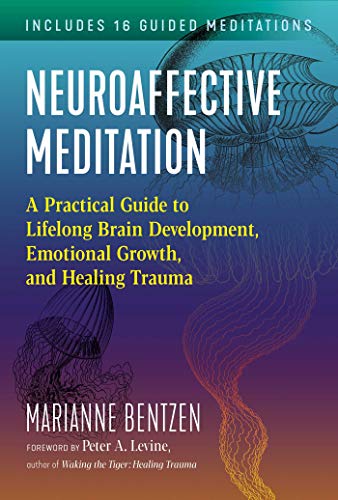
Neuroaffective Meditation: A Practical Guide to Lifelong Brain Development, Emotional Growth, and Healing Trauma (Sacred Planet)
As an affiliate, we earn on qualifying purchases.
As an affiliate, we earn on qualifying purchases.

The Beginner's Guide to Stoicism: Tools for Emotional Resilience and Positivity
As an affiliate, we earn on qualifying purchases.
As an affiliate, we earn on qualifying purchases.