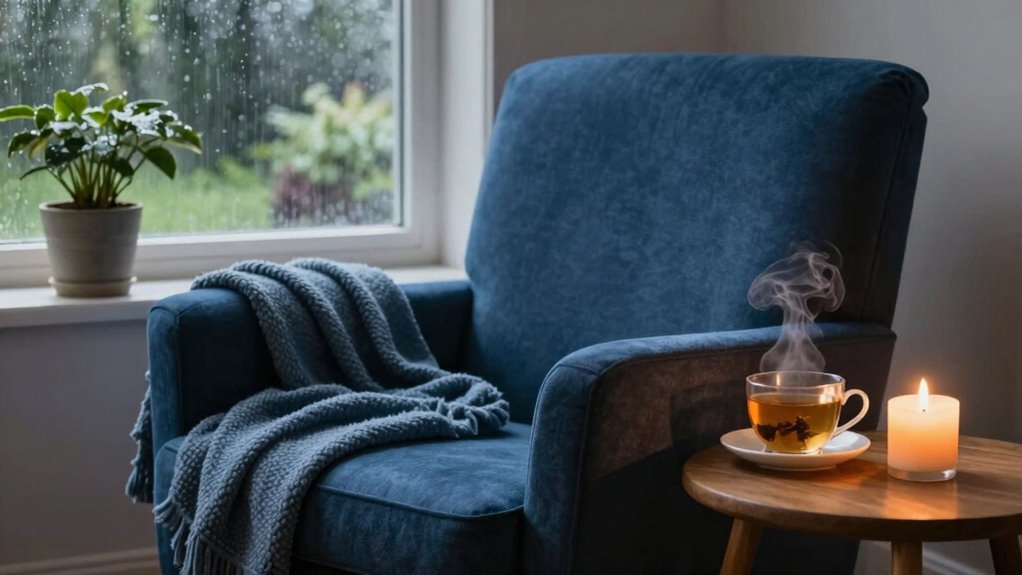

After a tough appointment, create a calm-down routine by focusing on grounding yourself with mindfulness techniques like deep breathing and noticing your surroundings. Engage in soothing activities such as listening to relaxing music or taking a short walk outside to reconnect with nature. Establish a consistent routine that includes these practices to build resilience over time. By doing so, you’ll develop a healthy way to manage stress and regain control quickly—discover more ways to create your ideal calming routine.

Get health and wellness essentials delivered free with Prime
- Fast, free delivery on millions of items
- Prime Video, Amazon Music and more included
- Member-only deals all year
Key Takeaways
- Incorporate mindfulness techniques like deep breathing and grounding exercises to quickly reduce anxiety and re-center yourself.
- Engage in soothing activities such as listening to calming music or taking a warm bath to relax your body and mind.
- Establish a consistent routine that includes these calming practices to build resilience and a sense of control.
- Use sensory anchors like scented candles or natural surroundings to shift focus from stress to comfort.
- Practice regularly to strengthen your ability to manage emotional aftershocks and foster long-term calmness.
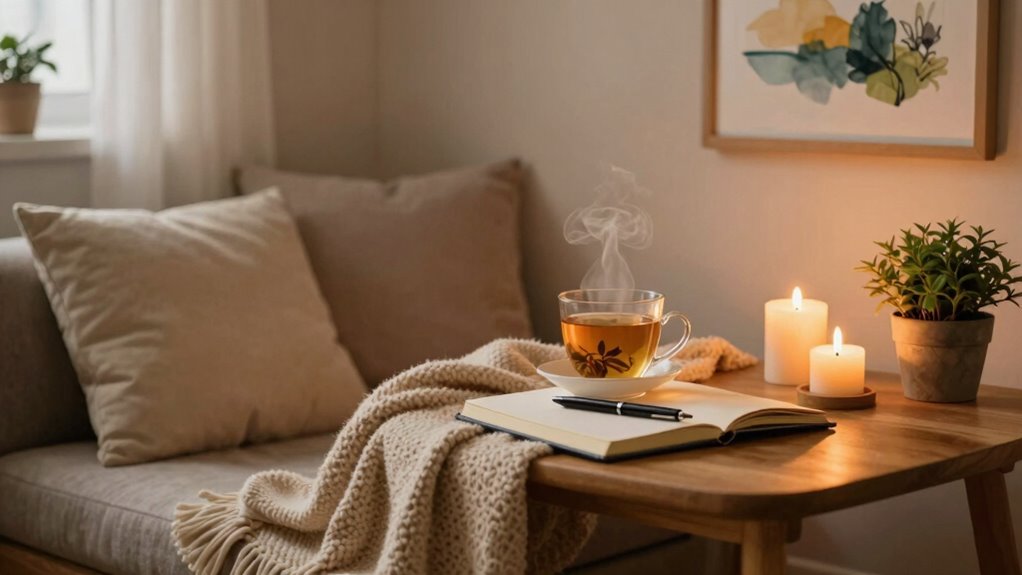
After a difficult appointment, it’s essential to have a plan for calming down and restoring your composure. When emotions run high or you feel overwhelmed, taking intentional steps can help you regain control and find your center again. Building a calm-down routine centered around mindfulness techniques and soothing activities allows you to process your feelings and reset your mind. The key is to identify simple, effective strategies you can turn to whenever you need to decompress, turning chaos into calm.
Start by focusing on mindfulness techniques. These practices help you stay present and grounded, reducing feelings of anxiety or frustration. Deep breathing exercises are a good first step. Inhale slowly through your nose, hold for a few seconds, then exhale steadily through your mouth. Repeat this a few times, concentrating on your breath. This simple act can slow your heart rate and clear your mind. You might also try grounding exercises, like noticing five things you can see, four you can touch, three you can hear, two you can smell, and one you can taste. These techniques anchor you in the present moment, pulling you away from racing thoughts or emotional turmoil. Incorporating mindfulness techniques regularly can strengthen your ability to manage stress effectively, especially when paired with intentional relaxation practices. Additionally, engaging with sound healing science, such as listening to calming frequencies or gentle vibrations, can deepen your relaxation response.
Practice deep breathing and grounding exercises to stay present and reduce anxiety after tough moments.
In addition to mindfulness, engaging in soothing activities can make a significant difference. Find activities that help you relax—whether it’s listening to calming music, taking a warm bath, or practicing gentle stretches. If you’re outdoors, a short walk in nature can be incredibly restorative. These activities serve as sensory anchors, shifting your focus from stress to comfort. Creating a small, personalized toolkit of soothing activities ensures you have immediate options ready. For example, keep a favorite book, a playlist of relaxing songs, or a scented candle nearby. When you feel overwhelmed, dedicate a few minutes to these activities, allowing your body and mind to unwind.
Consistency builds the most effective calm-down routine. Incorporate these practices into your daily schedule, so they become natural responses to stress. Over time, they’ll help you develop resilience and a sense of control, even after particularly tough appointments. Remember, the goal isn’t to eliminate all distress but to manage it healthily. By integrating mindfulness techniques and soothing activities into your routine, you create a reliable way to soothe yourself, restore balance, and face future challenges with greater calm. Whenever you’re feeling overwhelmed, these simple, intentional steps can become your anchor, helping you navigate the emotional aftermath of difficult moments with confidence and grace. Recognizing the importance of natural environments can further enhance your calming routine, as spending time outdoors has been shown to reduce stress levels significantly.
calming music playlist for stress relief
As an affiliate, we earn on qualifying purchases.
As an affiliate, we earn on qualifying purchases.
Frequently Asked Questions
How Long Should My Calm-Down Routine Last?
Your calm-down routine should last around 10 to 20 minutes, giving you enough time for effective stress reduction. During this period, focus on mindfulness exercises like deep breathing or guided meditation to help you unwind. If you feel more stressed, extend your routine slightly. The goal is to create a space for relaxation, so listen to your body and adjust the duration based on how you feel.
Can I Customize My Routine for Different Appointments?
Yes, you can definitely customize your calm-down routine for different appointments by exploring personalization options. Routine flexibility allows you to adapt activities based on how intense or stressful the appointment was. For example, after a tough meeting, you might add deep breathing exercises, while after a medical visit, calming music or journaling could help. Modifying your routine ensures it remains effective and tailored to your specific needs.
What if I Don’T Feel Calmer Afterward?
If you don’t feel calmer afterward, don’t give up. Focus on stress management, emotional regulation, and self-compassion. Practice deep breathing, gentle movement, or journaling again. Recognize that calming down takes time, and progress isn’t always linear. Keep refining your routine, seek support if needed, and remember that each attempt builds resilience. Staying patient and persistent helps you develop better ways to manage emotional ups and downs.
Are There Any Apps to Help Create a Routine?
Yes, there are apps that can help you create a calming routine using relaxation techniques and mindfulness exercises. Apps like Headspace, Calm, and Insight Timer offer guided sessions designed to ease stress and promote calmness after tough appointments. You can customize routines, set reminders, and track your progress, making it easier to develop a consistent practice that helps you unwind and regain your composure effectively.
How Often Should I Practice My Calm-Down Routine?
You should practice your calm-down routine daily or whenever you feel overwhelmed, especially after tough appointments. Incorporate mindfulness techniques and breathing exercises regularly to strengthen your ability to stay calm. Consistent practice helps your mind and body respond better during stressful moments, making it easier to regain composure quickly. The more often you engage in these techniques, the more natural they’ll become, aiding you in maintaining calmness throughout your day.
aromatherapy scented candles set
As an affiliate, we earn on qualifying purchases.
As an affiliate, we earn on qualifying purchases.
Conclusion
Remember, your calm-down routine is like tending a delicate garden—nurture it with patience and care. Each step, like watering roots or pruning branches, helps you grow stronger and more centered. When you return from a tough appointment, embrace this ritual as your sanctuary, a safe space where peace blooms anew. With time, you’ll find that your garden of calm becomes a resilient haven, ready to flourish even after the storm.
As an affiliate, we earn on qualifying purchases.
As an affiliate, we earn on qualifying purchases.
Fall Picks
fall essentials
As an affiliate, we earn on qualifying purchases.