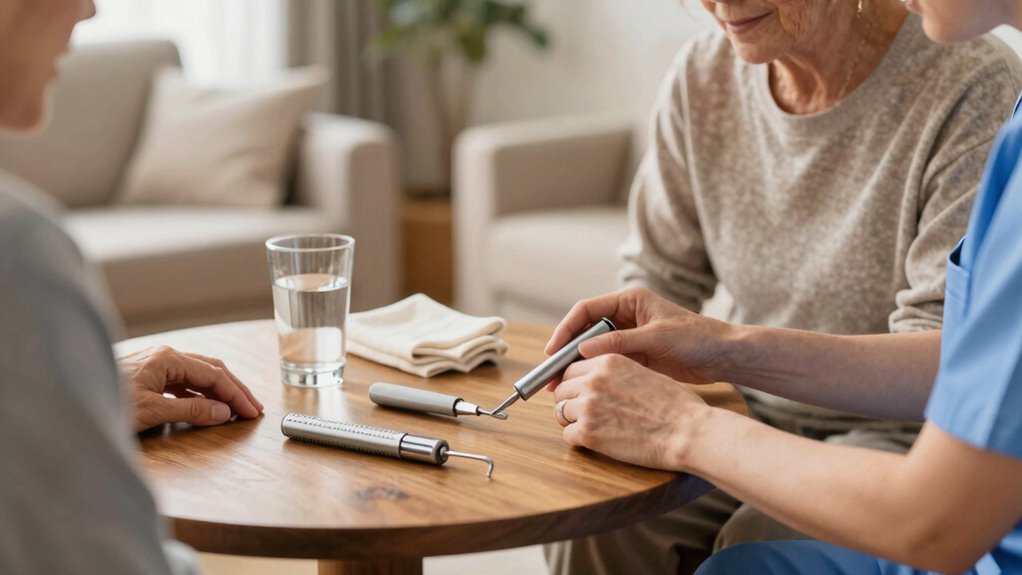

Small recovery tools are essential in your daily caregiving routine, helping you support mobility, prevent falls, and promote independence. Items like grab bars, transfer aids, and dressing sticks make tasks easier and safer for both you and your care recipient. They reduce physical strain and foster dignity, creating a respectful environment. Incorporating these simple tools allows you to handle routines more efficiently. If you want to discover more ways these tools enhance your caregiving, keep exploring.

Get health and wellness essentials delivered free — and shop member deals
- Fast, free delivery on millions of items
- Access to Prime Big Deal Days deals on October 6–7
- Prime Video, Amazon Music and more included
Key Takeaways
- Small recovery tools streamline daily tasks, making routines safer and more efficient for both caregivers and care recipients.
- They support independence, allowing recipients to participate in dressing, grooming, and mobility activities with confidence.
- Assistive devices like grab bars and transfer aids help prevent falls and reduce physical strain during transfers and movements.
- Incorporating safety features like lighting and landscaping creates secure environments, enhancing overall care safety.
- These tools foster a respectful, dignified care environment by enabling autonomy and reducing caregiver workload.
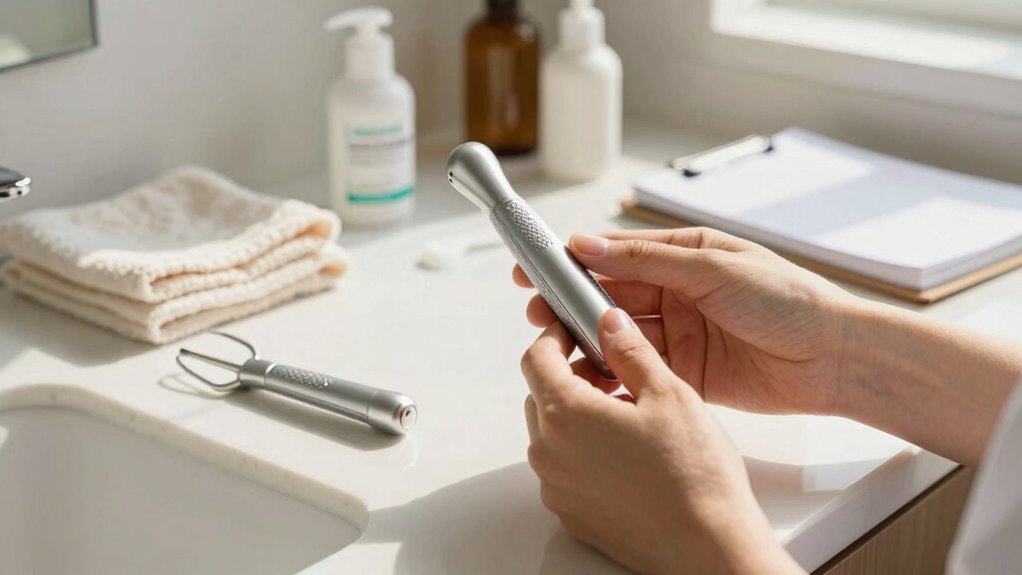
Small recovery tools may seem insignificant on their own, but they play an essential role in a caregiver’s daily routine. These tiny but powerful tools help streamline tasks, making daily care more efficient and less stressful for both you and the person you’re caring for. When it comes to assistive technology, even simple devices can have a big impact. They’re designed to support mobility, independence, and safety, allowing you to focus on what truly matters—providing compassionate, attentive care.
Small tools may seem minor but are vital for efficient, safe, and compassionate caregiving routines.
In your daily routine, these small tools can serve as your reliable helpers. For example, grab bars and transfer aids might seem straightforward, but they make a huge difference in preventing falls and easing movement. They’re easy to incorporate into your routine, whether you’re helping someone get out of bed or maneuvering around the bathroom. When used consistently, they reduce the physical strain on you and increase comfort and security for your loved one. These assistive devices integrate seamlessly into daily care activities, making tasks quicker and safer. Assistive technology plays a crucial role in supporting caregivers by enhancing safety and efficiency.
Using assistive technology also means you can better manage time during busy days. Small recovery tools such as button hooks, reachers, or dressing sticks help with tasks like dressing and grooming. Instead of struggling with buttons or stretching to reach items, you can work more efficiently. These tools empower the person you care for to participate in their daily care to the best of their ability, promoting independence and dignity. That’s an important part of your routine—fostering autonomy while maintaining safety.
You might also find that simple mobility aids like wheelchairs, walkers, or gait belts are indispensable. They support movement, reduce the risk of injury, and help you assist with transfers smoothly. These tools guarantee that your daily care is not only effective but also safe, preventing unnecessary fatigue or accidents. Incorporating outdoor safety features such as landscaping or lighting can also help create a secure environment around the home, especially if the person you’re caring for spends time outside. By having the right assistive technology at hand, you can handle caregiving tasks with confidence, knowing you’re doing everything possible to protect and support your loved one.
Ultimately, small recovery tools are more than just gadgets—they’re integral parts of your caregiving toolkit. They make your routine more manageable, enhance safety, and improve the quality of daily care you provide. When you incorporate these assistive technologies into your caregiving, you’re not just helping with physical tasks—you’re creating a supportive environment that promotes independence and well-being, which benefits both you and the person you’re caring for.
As an affiliate, we earn on qualifying purchases.
Frequently Asked Questions
Are Small Recovery Tools Suitable for All Types of Injuries?
Small recovery tools aren’t suitable for all injury types, especially those requiring professional medical treatment or extensive recovery. For minor injuries like cuts, bruises, or sprains, these tools fit well within your recovery scope, helping you manage pain and promote healing. However, for serious injuries, you should seek medical advice first. Always assess the injury’s severity to determine if small tools are appropriate or if professional help is necessary.
How Often Should Caregivers Use These Tools Daily?
You should use small recovery tools daily, based on the injury and your caregiver’s instructions. The recommended frequency varies; some tools might be used multiple times a day, while others only when needed. Coincidentally, many caregivers find that consistent, gentle use helps improve recovery. Always monitor your loved one’s response and consult healthcare professionals for personalized guidance, ensuring safe, effective daily recovery routines.
Can Small Recovery Tools Replace Professional Medical Care?
Small recovery tools can’t replace professional medical care, but they can support your efforts during home remedies and emergency preparedness. You play an essential role in initial response, using these tools to stabilize or assist before healthcare professionals take over. Remember, always seek medical attention when needed—these tools are for immediate aid, not substitutes for expert diagnosis or treatment. Your proactive approach makes a difference in emergency situations.
What Training Is Needed to Effectively Use These Tools?
Training requirements for small recovery tools are essential for safe, effective use, as skill development directly impacts patient outcomes. You need hands-on instruction, covering proper handling, maintenance, and troubleshooting. Courses or workshops provided by manufacturers or healthcare providers are invaluable, helping you build confidence and competence. Think of it as planting seeds of knowledge that grow into reliable skills, ensuring you can confidently support recovery efforts with these tools.
Are Small Recovery Tools Affordable for Most Caregivers?
Small recovery tools are generally affordable for most caregivers, but cost considerations can vary depending on the type and brand. Accessibility issues might limit some caregivers from easily obtaining certain tools, especially in remote or underserved areas. However, many options are budget-friendly and widely available online or at local stores. Investing in these tools can improve recovery efficiency, making them a cost-effective addition to your caregiving routine.
As an affiliate, we earn on qualifying purchases.
Conclusion
By incorporating small recovery tools into your daily routine, you’re not just caring—you’re becoming a superhero in disguise. These tiny devices are like secret weapons, ready to rescue you from exhaustion and overwhelm at a moment’s notice. Imagine wielding a simple tool that can turn chaos into calm, turning you into the ultimate caregiver hero. With just a small tool, you can conquer the mountain of daily challenges and emerge victorious every time.
dressing stick for mobility assistance
As an affiliate, we earn on qualifying purchases.
As an affiliate, we earn on qualifying purchases.
As an affiliate, we earn on qualifying purchases.
Fall Picks
fall essentials
As an affiliate, we earn on qualifying purchases.