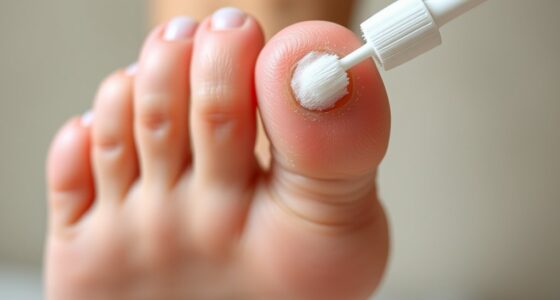
To maintain skin integrity and prevent pressure ulcers, regularly evaluate vulnerable areas like the sacrum, heels, and elbows using good lighting and gentle palpation. Keep the skin clean and dry, managing excess moisture from sweat or incontinence with absorbent products. Early detection of skin changes, like persistent redness or discoloration, is key—document these findings to support timely intervention. Continuing with this approach helps you better protect your skin and prevent serious complications.

Get health and wellness essentials delivered free — and shop member deals
- Fast, free delivery on millions of items
- Access to Prime Big Deal Days deals on October 6–7
- Prime Video, Amazon Music and more included
Key Takeaways
- Regularly inspect vulnerable skin areas for early signs of redness, warmth, or swelling to prevent pressure ulcer development.
- Keep skin clean and dry through proper hygiene and moisture management to maintain skin integrity.
- Use pressure-relieving devices and reposition patients frequently to reduce sustained pressure on vulnerable areas.
- Document skin assessments and any skin changes to facilitate early intervention and effective care planning.
- Educate patients and caregivers on skin care, moisture control, and pressure relief techniques to support ongoing skin health.

Maintaining skin integrity is essential for preventing pressure ulcers, which can cause serious health complications. One of your top priorities should be effective moisture management. Excess moisture from sweat, incontinence, or wound drainage can weaken the skin, making it more prone to breakdown. To stay ahead, you need to regularly evaluate the skin for signs of excess moisture. Use absorbent products when necessary, and keep the skin dry and clean. Proper hygiene practices help remove irritants and reduce the risk of skin maceration. Remember, moisture that’s left on the skin for too long can compromise its natural barrier, so prompt cleaning and drying are crucial.
Equally important is mastering skin assessment techniques. You should routinely inspect all vulnerable areas, especially bony prominences like the sacrum, heels, elbows, and hips. Use good lighting and gentle palpation to detect early signs of skin changes, such as redness, warmth, swelling, or discoloration. Be attentive to areas that appear lighter or darker than the surrounding skin, as these may indicate early pressure damage. When evaluating, check for skin texture and integrity, feeling for any tenderness or areas that feel softer or thinner than usual. Document your findings accurately and consistently, so you can track any changes over time. This proactive approach allows you to identify problems early, before they develop into full-blown ulcers.
In addition to regular evaluation, you should educate yourself on the various skin assessment techniques. For example, the Braden Scale is a helpful tool to evaluate a patient’s risk of developing pressure ulcers by considering factors like sensory perception, moisture, activity, mobility, nutrition, and friction/shear. Incorporate visual inspection, palpation, and patient feedback into your routine to get a thorough understanding of skin condition. When you notice redness that doesn’t blanch or persists beyond a few minutes of pressure relief, intervene immediately. Keep in mind that skin may appear intact but still be compromised underneath, so a detailed evaluation is key. Additionally, understanding the importance of skin assessment techniques can greatly improve early detection and prevention efforts.
pressure ulcer prevention cushions
As an affiliate, we earn on qualifying purchases.
As an affiliate, we earn on qualifying purchases.
Frequently Asked Questions
How Does Hydration Affect Skin Integrity?
Hydration effects your skin by maintaining its elasticity and suppleness. When you stay well-hydrated, your skin becomes more resilient, reducing the risk of dryness, cracking, and damage. Proper hydration helps your skin heal faster and maintain its protective barrier. If you don’t drink enough water, your skin can become dry and fragile, making it more vulnerable to injury and less capable of repairing itself effectively.
Are Certain Skin Types More Prone to Ulcers?
You might notice that certain skin types are more prone to ulcers, especially if your skin feels tender or easily irritated—like a delicate rose petal. Skin sensitivity and genetic predisposition play big roles, making some people more vulnerable. If your skin tends to thin or shows signs of fragility, you need to be extra cautious. Protecting these areas helps prevent breakdown, especially when pressure or friction challenge your skin’s resilience.
What Role Do Nutrition and Supplements Play?
Nutrition and supplements play a crucial role in maintaining skin health. You should perform a nutritional assessment to identify deficiencies that could impair healing. Proper intake of essential nutrients like protein, vitamins, and minerals boosts your body’s ability to repair tissue. Supplements can be effective if they address specific needs; however, their efficacy depends on correct dosing and individual requirements. Prioritize a balanced diet and consult healthcare providers for tailored supplement recommendations to support skin integrity.
How Can Caregivers Identify Early Signs of Pressure Damage?
You can identify early signs of pressure damage by regularly performing skin assessments, checking for redness, warmth, or swelling, especially over bony prominences. Use pressure mapping tools to spot areas under high pressure that may not yet show visible signs. Keep an eye on changes in skin color or texture, and monitor for discomfort or pain. Promptly addressing these signs helps prevent further tissue damage and promotes healing.
What Are the Latest Innovations in Pressure Ulcer Prevention?
You can stay ahead of pressure ulcers by using innovative dressings that adapt to pressure points, reducing the risk of damage. Pressure mapping technology helps you identify high-risk areas accurately, allowing for targeted interventions. By combining these advancements, you actively prevent pressure damage, ensuring better skin integrity and patient comfort. Keep up with the latest tools and techniques to provide ideal care and minimize ulcer development.
moisture-wicking incontinence pads
As an affiliate, we earn on qualifying purchases.
As an affiliate, we earn on qualifying purchases.
Conclusion
Think of your skin as a delicate garden that needs daily tending. By keeping it clean, moisturized, and protected, you’re watering and nurturing this precious garden. Regular checks and repositioning are like pruning away weeds that threaten to overrun it. When you care for your skin like a vigilant gardener, you prevent pressure ulcers from taking root. Remember, your skin’s health is your own flourishing landscape—keep it vibrant and strong every day.
pressure relief mattress overlays
As an affiliate, we earn on qualifying purchases.
As an affiliate, we earn on qualifying purchases.
skin assessment tools for caregivers
As an affiliate, we earn on qualifying purchases.
As an affiliate, we earn on qualifying purchases.
Fall Picks
fall essentials
As an affiliate, we earn on qualifying purchases.