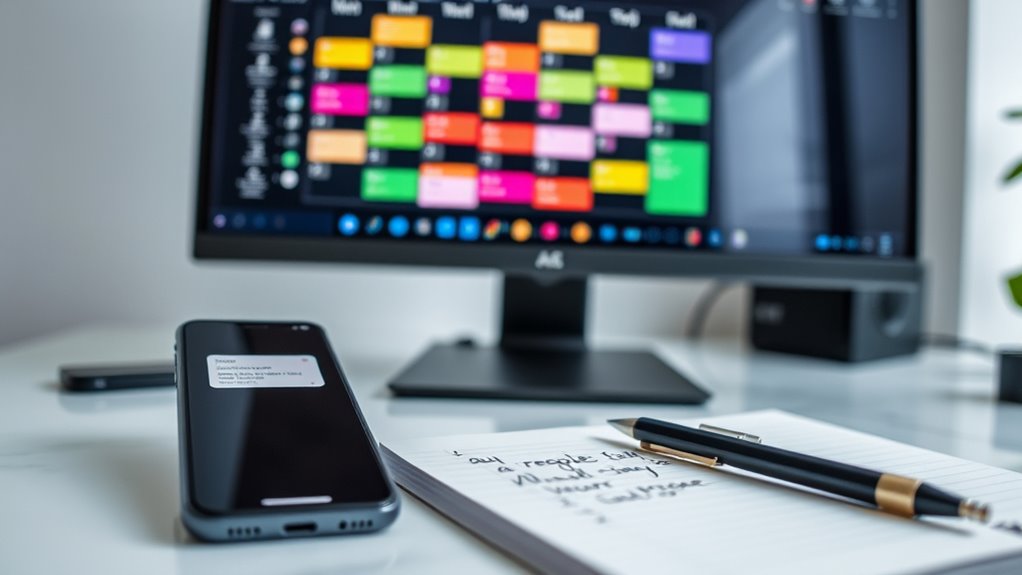

To set up a calendar, reminders, and alerts system, choose platforms that support strong synchronization like Google, Apple, or Outlook. Customize notification settings for different event types using sounds, banners, or vibrations. Enable device permissions and regularly review updates to keep everything current. Guarantee your alerts are tailored to your priorities, and use high-quality notification tools for reliability. Keep exploring these strategies to optimize your schedule management effortlessly.

Get health and wellness essentials delivered free — and shop member deals
- Fast, free delivery on millions of items
- Access to Prime Big Deal Days deals on October 6–7
- Prime Video, Amazon Music and more included
Key Takeaways
- Choose a platform supporting seamless synchronization across devices, like Google Calendar, Apple Calendar, or Outlook.
- Enable and customize notification settings within each app for different event types and alert preferences.
- Ensure device notifications are allowed and permissions granted for timely alerts and reminders.
- Set specific alert sounds, vibrations, and display options to match the importance of each reminder.
- Regularly review and update your calendar, reminder, and alert settings to stay aligned with evolving schedules.
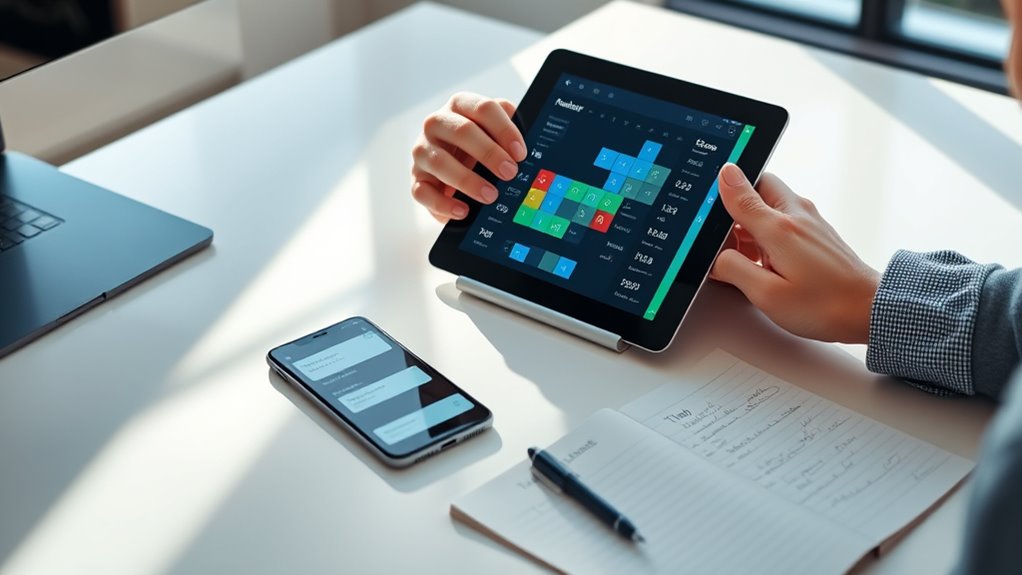
Have you ever missed an important appointment or deadline because your reminders weren’t set up properly? If so, you’re not alone. Many people struggle with keeping their schedules organized and timely. The key to avoiding these mishaps is establishing a reliable system that leverages digital tools effectively. Digital synchronization plays a essential role here. When your calendar, reminders, and alerts are synchronized across all your devices—smartphone, tablet, laptop—you gain a seamless, unified view of your schedule. This means you won’t have to manually update each device or risk missing a notification because of outdated information. Synchronization ensures that any changes you make on one device instantly reflect on others, keeping your schedule consistent and accessible wherever you are. It’s a simple yet powerful way to stay on top of your commitments. Additionally, using high-quality notification systems can significantly improve your responsiveness to important alerts.
Digital synchronization keeps your schedules updated across all devices, ensuring you never miss an important appointment or deadline.
Notification customization is equally important. Not every reminder needs to be delivered in the same way. Some events might require a loud alert, while others could be less intrusive, like a gentle vibration or a subtle pop-up. By customizing notifications, you can tailor alerts to suit the importance of each event. For instance, you might set a high-priority meeting to trigger a loud alarm a few minutes beforehand, ensuring you’re prepared and punctual. Conversely, a casual reminder for a daily habit or routine can be less obtrusive, like a soft chime or a banner notification. Customization prevents alert fatigue—where you become desensitized to reminders—and helps you focus on what truly matters. Many digital calendar and reminder apps allow you to personalize notification sounds, display preferences, and timing, giving you control over how and when you’re notified.
To optimize your setup, start by choosing a platform that supports robust digital synchronization across your devices. Popular options like Google Calendar, Apple Calendar, or Microsoft Outlook excel at keeping your schedules synchronized in real time. Then, explore the notification settings within each app. Spend some time customizing alerts for different events—set specific sounds, vibrations, or pop-ups based on their urgency. Also, ensure your device settings allow notifications from these apps so you don’t miss alerts due to restrictions or silent modes. Regularly review and update your notification preferences to adapt to your changing schedule and priorities.
In the end, a well-organized calendar system with effective digital synchronization and notification customization can save you from overlooked appointments and last-minute surprises. It empowers you to manage your time proactively, reducing stress and increasing productivity. By taking advantage of these features and tailoring your alerts, you set yourself up for success, making sure you stay informed and punctual every day.
best digital calendar app for synchronization
As an affiliate, we earn on qualifying purchases.
As an affiliate, we earn on qualifying purchases.
Frequently Asked Questions
How Can I Sync My Calendar Across Multiple Devices Seamlessly?
You can sync your calendar across multiple devices seamlessly by using a cloud-based service like Google Calendar or iCloud, which offers excellent cross-platform compatibility. Make certain you enable sync on all devices and adjust privacy settings to control who can see your events. Regularly check that your accounts are connected properly, and update apps to guarantee smooth synchronization. This way, your schedule stays consistent everywhere you go.
What Are the Best Apps for Setting Customizable Reminders?
Did you know that 78% of people find customizable reminders boost their productivity? For the best apps, try Todoist or TickTick, both offering robust custom reminder options and notification customization. These apps let you set specific times, recurring alerts, and personalized sounds, ensuring you never miss an important task. With their flexible features, you can tailor reminders to match your workflow, keeping you organized and on top of your goals.
How Do I Prioritize Alerts to Avoid Notification Overload?
To avoid notification overload, you should focus on effective notification management through alert customization. Prioritize alerts by setting specific criteria for important reminders, and disable non-essential notifications. Use app features to categorize alerts by urgency, so you only get notified about what truly matters. Regularly review and adjust your settings to keep alerts relevant, helping you stay focused without feeling overwhelmed by unnecessary notifications.
Can I Share My Calendar With Others Securely?
Yes, you can share your calendar securely. Most calendar apps let you set specific sharing permissions, so you control who sees what, addressing privacy concerns. You can choose to share your entire calendar or just selected events, and you can restrict editing rights. Always review sharing settings carefully before granting access, ensuring your personal information stays protected while collaborating smoothly with others.
How Do I Recover Lost Calendar Data?
If you’ve lost calendar data, start with a calendar backup if you have one. Check your email or cloud service for previous versions or sync history. Many apps offer data recovery options or restore functions. If these don’t work, contact support for your calendar app. Regular data recovery and maintaining a backup guarantee you can quickly recover lost calendar data, saving you time and stress.
high-quality notification alert tools
As an affiliate, we earn on qualifying purchases.
As an affiliate, we earn on qualifying purchases.
Conclusion
By setting up a reliable calendar, reminders, and alerts system, you create a structured approach to managing your time. This practice not only boosts your productivity but also supports the popular theory that external cues can enhance internal motivation. When you rely on technology to prompt your tasks, you’re leveraging a proven psychological principle: cues reinforce habits. Ultimately, a well-organized system transforms chaos into clarity, helping you stay focused and accomplish more every day.
customizable reminder alert devices
As an affiliate, we earn on qualifying purchases.
As an affiliate, we earn on qualifying purchases.
smartphone vibration alert accessories
As an affiliate, we earn on qualifying purchases.
As an affiliate, we earn on qualifying purchases.
Fall Picks
fall essentials
As an affiliate, we earn on qualifying purchases.