
To understand medical records and lab results, familiarize yourself with common abbreviations like WBC, RBC, and HDL, and what each measures. Pay attention to measurement units such as mg/dL or mmol/L, and compare your results to standard reference ranges. Look for symbols or color codes indicating abnormal results, and remember that context from your health history helps interpret them. If you keep exploring, you’ll gain deeper insights into what your results mean for your health.
Key Takeaways
- Identify common abbreviations like WBC, RBC, and HDL to understand specific tests quickly.
- Check the units of measurement (e.g., mg/dL, mmol/L) to interpret the results correctly.
- Compare test results with provided reference ranges and look for symbols or color codes indicating abnormalities.
- Consider the results in the context of your medical history and symptoms for accurate understanding.
- Use additional health resources and consult healthcare providers for clarification of complex or unclear results.

Have you ever wondered how to make sense of your medical records and lab results? Navigating these documents can feel overwhelming at first, but understanding a few key aspects can make the process much easier. One of the most important skills is interpreting abbreviations. Medical records are full of shorthand: lab reports often use abbreviations like WBC for white blood cells, RBC for red blood cells, or HDL for high-density lipoprotein. Recognizing these acronyms helps you quickly identify what each result pertains to. Sometimes, abbreviations can be confusing or similar, so don’t hesitate to ask your healthcare provider for clarification if something isn’t clear. It’s also helpful to keep a reference list of common abbreviations handy so you can cross-check unfamiliar terms as you review your records.
Alongside abbreviations, understanding test units is essential. Lab results aren’t just numbers; they come with specific units of measurement. For example, your cholesterol might be listed as 200 mg/dL, indicating milligrams per deciliter. Blood glucose readings could be shown as 90 mg/dL or in mmol/L, depending on the lab. By knowing what these units mean, you can better interpret whether a result falls within the normal range or indicates a potential health concern. Many labs provide reference ranges alongside your results, which show the typical values for healthy individuals. Comparing your results to these ranges gives you a clearer picture of your health status.
When reviewing your lab reports, pay attention to the context in which results are presented. Sometimes, results may be flagged or marked with symbols indicating they are outside the normal range. An asterisk or color coding often highlights these areas, prompting further discussion with your doctor. Remember that individual results don’t tell the whole story; your doctor considers these numbers alongside your medical history, symptoms, and overall health. Still, having a basic understanding of abbreviations and test units empowers you to ask informed questions and participate actively in your healthcare.
Additionally, knowing about waterproofing camper canvas can help you better understand how to maintain and interpret the condition of physical health records that involve protective measures or treatments.

Medical Abbreviations Guide – 8.5" x 11" Medical Quick Reference Guide by Permacharts
- 4-page 8.5" x 11" laminated Quick reference guide
- This laminated Guide is the ultimate Medical Abbreviations…
- Comprehensive Guide provides the reader with the most…
As an affiliate, we earn on qualifying purchases.
As an affiliate, we earn on qualifying purchases.
Frequently Asked Questions
How Can I Access My Medical Records Online Securely?
You can access your medical records online securely through your healthcare provider’s patient portal. First, sign up or log in using your secure credentials. Make sure to use strong passwords and enable two-factor authentication for added digital security. Patient portals are designed to protect your privacy, so always log out after use and avoid public Wi-Fi. This way, you can safely view your records anytime.
What Should I Do if I Find Errors in My Lab Results?
If you find errors in your lab results, contact your healthcare provider promptly. Explain the discrepancies and request lab result clarification. Mention any medication discrepancies that might influence your results. Keep a record of your concerns and ask for a review or retesting if necessary. Your provider will verify the information, correct any mistakes, and ensure your medical records accurately reflect your health status.
How Often Should I Review My Medical Records?
You should review your medical records regularly—think of it as patient empowerment in action. While it might seem tedious, updating your records and checking for accuracy guarantees you stay in control of your health. Aim for at least once a year, or whenever you notice changes. Staying proactive ensures your records reflect your current status, helping your healthcare team provide the best care possible—and maybe even catching errors before they cause issues.
Can I Interpret Complex Lab Results Without a Doctor?
You can attempt DIY interpretation of complex lab results, but it’s risky without medical jargon decoding skills. Lab reports often contain confusing terms and reference ranges that require professional understanding. While you might grasp basic info, consulting a healthcare provider guarantees accurate interpretation and appropriate action. Relying solely on DIY methods can lead to misunderstandings, so always seek expert advice for complex or unclear results.
What Privacy Measures Protect My Medical Information?
You can trust that your medical information is protected by strong privacy measures. Data encryption keeps your records secure during storage and transmission, making it nearly impossible for unauthorized people to access your data. Access controls also limit who can view or modify your information, ensuring only authorized healthcare professionals handle your records. These measures work together to keep your sensitive health details private and safe from breaches.
As an affiliate, we earn on qualifying purchases.
Conclusion
Understanding your medical records and lab results helps you take control of your health. Remember, over 70% of patients who review their records feel more empowered and informed about their care. By learning to interpret these documents, you can ask better questions and make informed decisions. Don’t hesitate to seek clarification from your healthcare provider—it’s your health, after all. Being proactive guarantees you stay on top of your well-being and catch any issues early.
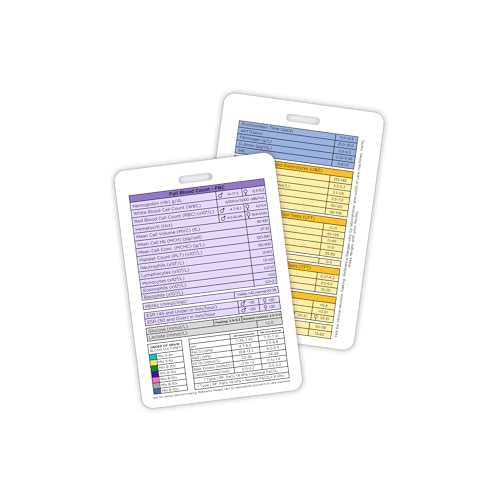
Lab Values & Order of Draw Reference Card Badge ID Clip 6.7×9.9 cm Reel Guide Medical Pocket Card for Lanyard Nurse Technician Hospital
- Compact Size: 6.7cm x 9.9cm double-sided card
- Order of Draw Guide: Color-coded blood draw sequence chart
- Lab & Cardiac Values: Reference ranges for key tests
As an affiliate, we earn on qualifying purchases.
As an affiliate, we earn on qualifying purchases.
As an affiliate, we earn on qualifying purchases.