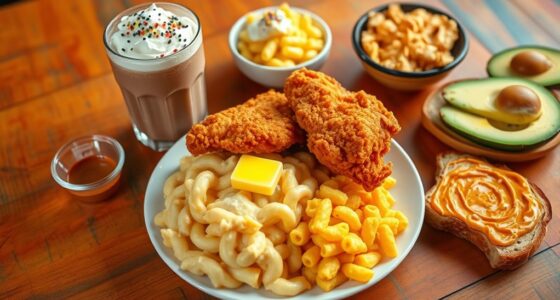

When cooking for swallowing difficulties, you should focus on modifying textures to make foods safe and easy to swallow, such as pureeing, mashing, or chopping ingredients into small, smooth pieces. Boost nutritional content by adding high-protein foods and calorie-rich ingredients, and use thickeners to prevent liquids from being too thin or sticky. Properly adjusting textures not only enhances safety but also helps maintain proper nutrition, ensuring mealtimes are safer and more enjoyable—learn more about making meals that support your needs.
Key Takeaways
- Modify food textures to be smooth, pureed, or chopped to reduce choking and aspiration risks.
- Incorporate nutrient-dense ingredients and high-protein foods to meet dietary needs safely.
- Use thickeners and fortifiers to achieve appropriate liquid and semi-solid consistencies.
- Blend fruits and vegetables into smoothies or pureed soups for hydration and vitamin intake.
- Regularly consult healthcare professionals for tailored recipes that ensure safety and nutritional adequacy.
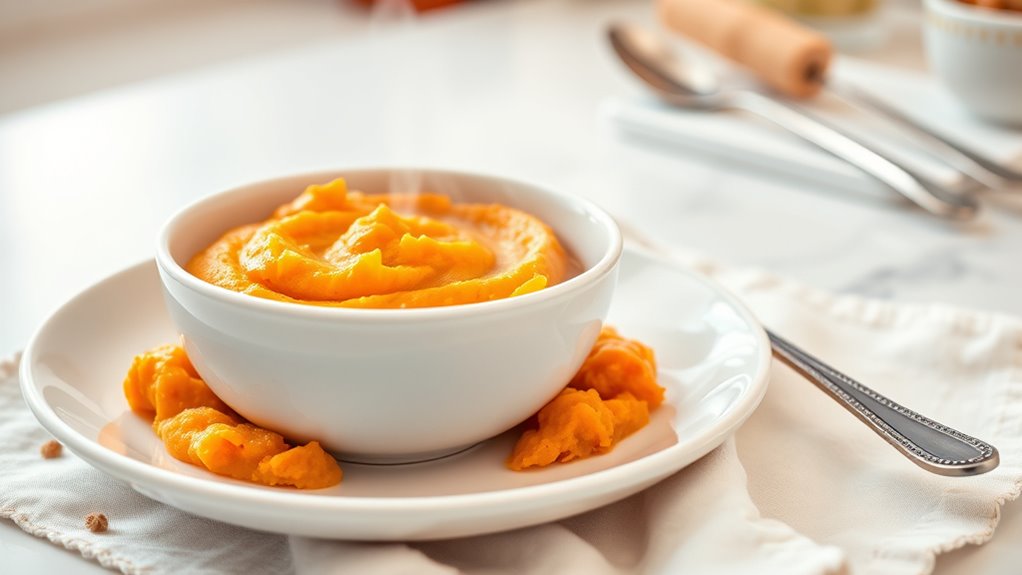
Cooking for swallowing difficulties requires careful planning to guarantee meals are both safe and nutritious. When managing dysphagia, texture modification becomes essential to prevent choking and aspiration. You need to adapt your recipes so foods are soft, smooth, and easy to swallow, which often involves pureeing, mashing, or chopping ingredients into small, manageable pieces. By focusing on texture modification, you ensure that each bite reduces the risk of discomfort or danger, giving you peace of mind during meals. But safety isn’t the only concern—you also have to meet your nutritional needs. Swallowing difficulties can make it challenging to consume enough calories, protein, vitamins, and minerals, which are critical for maintaining your health and energy levels.
Adapting meals for swallowing difficulties ensures safety and meets nutritional needs effectively.
To address this, you should prioritize nutrient-dense ingredients that provide maximum nutrition in small servings. Incorporate high-protein foods like pureed meats, dairy, beans, or protein powders to support muscle maintenance and immune function. Vegetables and fruits should be cooked thoroughly and blended into smooth purees to retain their vitamins while ensuring they’re easy to swallow. Fortifying your meals with healthy fats, such as pureed avocados or oils, can also help boost calorie content without increasing volume. When preparing foods, aim for a consistency that’s smooth and uniform, avoiding lumps or chunks that could pose a choking risk. Using thickeners like pureed oats or commercial thickening agents can help achieve the ideal texture, especially for liquids or semi-solids.
It’s also important to consider how different textures impact your nutritional intake. For example, overly thick or sticky foods might be difficult to swallow and discourage eating, leading to lower intake of essential nutrients. Conversely, too thin liquids could increase choking risk. As a result, balancing texture modification with nutritional quality is essential. You might find that blending fruits into smoothies or pureeing soups provides both hydration and nutrients, making them easier to swallow. Regularly consulting with a healthcare provider or a dietitian can help you adapt your recipes effectively, ensuring you meet your nutritional needs without compromising safety.
Ultimately, cooking for swallowing difficulties involves a thoughtful combination of texture modification and nutritional planning. By focusing on these aspects, you’ll make mealtime safer and more enjoyable, supporting your overall health and well-being. Remember, each adjustment you make can considerably improve your quality of life, allowing you to maintain proper nutrition while minimizing risks during meals.

Ninja Kitchen System | All-in-One Food Processor & Blender for Smoothies | Includes Pitcher, (2) 16 oz. To-Go Cups & 8-Cup Bowl | Makes Salsa, Dough, Shakes, & Frozen Drinks | 1500W | Black | BL770
ALL-IN-ONE KITCHEN SYSTEM: Blend, chop, crush and more in this powerhouse blender and food processor combo.
As an affiliate, we earn on qualifying purchases.
As an affiliate, we earn on qualifying purchases.
Frequently Asked Questions
Can I Use Regular Spices in Dysphagia-Friendly Recipes?
Yes, you can use regular spices in dysphagia-friendly recipes, but you’ll want to make flavor adjustments if needed. Spice alternatives like pureed herbs or mild seasoning blends can add flavor without overwhelming the texture. Be cautious with strong spices that might irritate the throat or cause discomfort. Always taste and adjust gradually to guarantee the dish remains safe, comfortable, and tasty for swallowing.
How Do I Modify Recipes for Different Swallowing Levels?
When modifying recipes for different swallowing levels, you need to tailor the recipe texture and adjust your cooking equipment accordingly. For easier swallowing, blend or puree foods to achieve a smooth texture, and use equipment like food processors or immersion blenders. For those with milder needs, mince or chop ingredients finely. Think of it as hitting two birds with one stone, ensuring each person gets a safe, enjoyable meal suited to their needs.
Are There Specific Thickeners Recommended for Homemade Dishes?
You can use various thickening agents like cornstarch, gelatin, or commercial thickeners to achieve a homemade consistency. These agents help you control the thickness of your dishes, making them safer for swallowing. Add small amounts gradually, stirring constantly to reach the desired texture. Always test the consistency before serving, ensuring it’s safe and comfortable for swallowing, and adjust as needed to suit different swallowing levels.
Can I Prepare Meals in Advance for Easier Feeding?
You can definitely prepare meals in advance to make feeding easier. Meal prep and storage solutions help you save time and reduce last-minute stress. Just guarantee you store the dishes properly in airtight containers and follow recommended refrigeration or freezing guidelines. Reheat thoroughly before serving, and consider blending or thickening as needed. This approach keeps meals safe, fresh, and ready to serve, making feeding more manageable and less overwhelming.
What Foods Should I Avoid Entirely When Cooking for Dysphagia?
You should avoid foods with hard textures and choking hazards when cooking for dysphagia. Skip nuts, popcorn, raw vegetables, tough meats, and sticky candies, as they can be difficult to swallow and increase the risk of choking. Instead, select soft, pureed, or moist foods that are easier to swallow safely. Always guarantee food consistency matches the individual’s swallowing ability to prevent accidents.

Thick-It Original Food & Beverage Thickener, Flavorless Powder for Dysphagia (IDDSI), Digestible Swallowing Aid, Easy-to-Mix & Instant Dissolve, Used in Hot & Cold Food, 10 oz Canister
Dissolves instantly
As an affiliate, we earn on qualifying purchases.
As an affiliate, we earn on qualifying purchases.
Conclusion
So, now you’re basically a culinary magician, transforming everyday dishes into smooth, swallow-friendly masterpieces. Who knew that pureed peas and mashed potatoes could be so glamorous? Just remember, with a blender in hand, you’re now wielding the power to turn any meal into a silky spectacle—no more awkward choking episodes or dinner table drama. Bon appétit to your newfound skills, and may your spoon always glide smoothly through your gourmet creations!

Gelatein MCT Peach Mango: 20 grams of protein. Ideal for swallowing difficulties and fluid restricted diets. Great pre or post-workout snack (Pack of 12) …
20 grams of high-quality protein and 100% MCT oil in each 4 oz cup
As an affiliate, we earn on qualifying purchases.
As an affiliate, we earn on qualifying purchases.

Fullstar Pro Original Vegetable Chopper – Chopper and Spiralizer – Food Chopper with Container, Fruit Cutter, Onion Dicer – All-in-One Prep Tool – Kitchen Gadgets and Gifts (4 in 1, White)
The Original Pro Chopper – Discover TikTok’s favorite veggie chopper and one of the top-rated kitchen gadgets of…
As an affiliate, we earn on qualifying purchases.
As an affiliate, we earn on qualifying purchases.