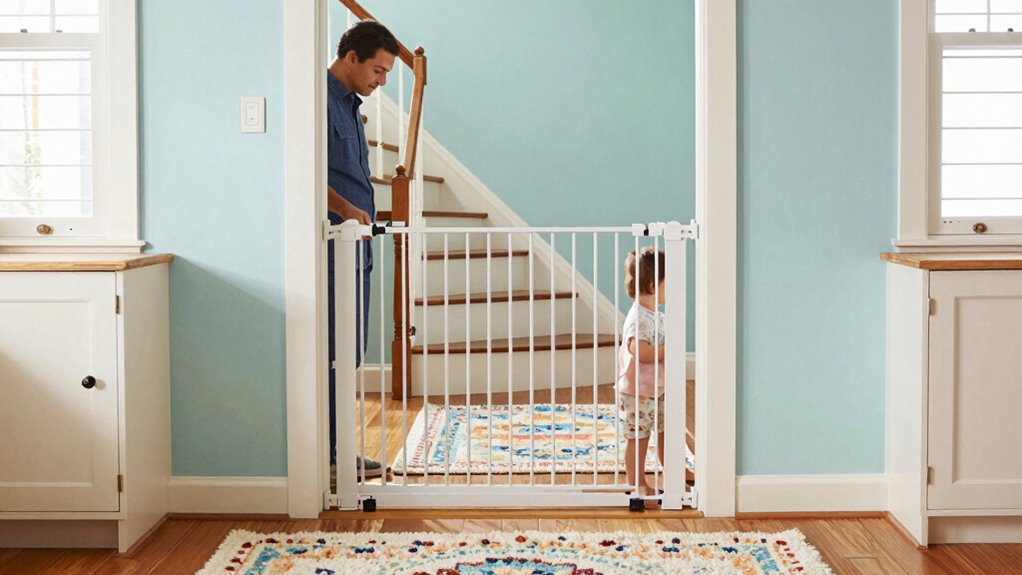

To reduce wandering and exit risks at home, establish routines and stay attentive to prevent confusion. Use visual cues, signage, and lighting to help orient individuals and signal boundaries. Secure doors and windows with locks, alarms, or sensors that alert you to any open exits. Regularly eliminate hazards, brighten living areas, and install safety devices to monitor movement. Combining supervision with environmental tweaks creates a safer space—exploring these strategies can help you better protect your loved one.
Key Takeaways
- Secure doors and windows with alarms, locks, or sensors to prevent unauthorized exits.
- Use visual cues, lighting, and signals to guide and reassure individuals at risk of wandering.
- Establish routines and supervised activities to reduce confusion and promote safety.
- Incorporate environmental modifications like fenced outdoor areas and clutter-free indoor spaces.
- Balance supervision with promoting independence through communication and consistent boundaries.
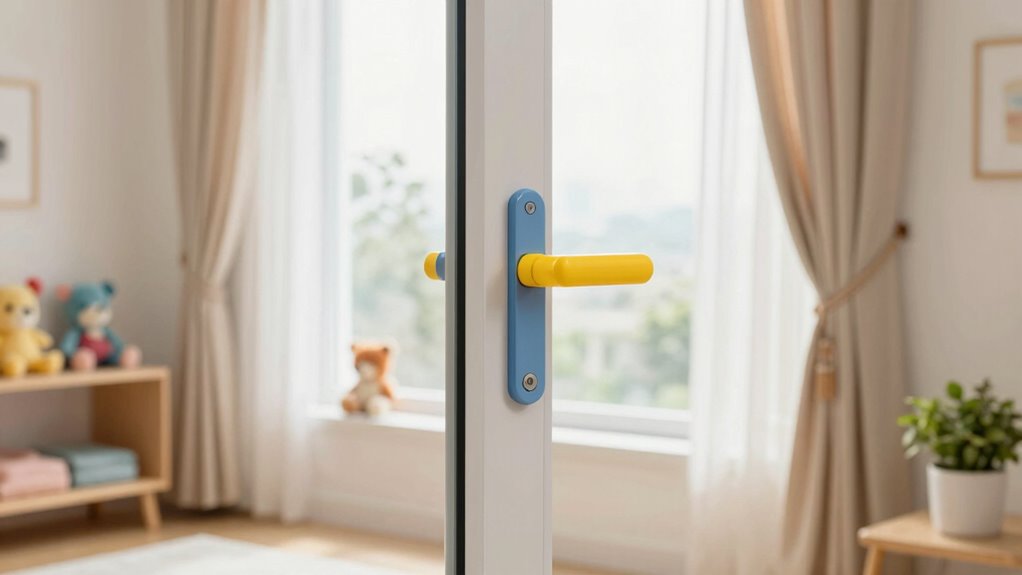
Wandering and exit risks can pose serious dangers, especially for seniors or individuals with cognitive impairments. When someone is determined to leave the safety of home, they may unknowingly put themselves in harm’s way, such as falling down stairs, stepping outside into traffic, or getting lost. To reduce these risks, you need to implement effective supervision strategies and make thoughtful environmental modifications. These steps can help create a safer environment while offering reassurance and support.
Supervision strategies are crucial in preventing wandering incidents. You should establish routines that provide structure and familiarity, reducing the chances of confusion or agitation. When supervising, stay attentive, and avoid distractions so you can quickly notice if someone attempts to exit or shows signs of distress. Use gentle, consistent reminders of boundaries, and consider engaging them in activities that keep their minds occupied. If you’re away or unable to watch closely, consider using technology like motion sensors, door alarms, or surveillance cameras to alert you if someone approaches an exit. These tools serve as an extra layer of safety, giving you time to respond promptly. Additionally, understanding the importance of projector technology can help you create visual cues or signals that further guide and reassure individuals at risk. Incorporating safety devices into your home environment can further enhance security by providing immediate alerts to potential wandering behavior. Recognizing behavioral cues can also help you intervene early before someone attempts to leave the home. Familiarity with different brewing methods can also inspire you to implement subtle environmental cues, like specific lighting or sound signals, that help orient and comfort individuals with cognitive impairments.
Environmental modifications are equally important. Start by securing doors and windows with childproof locks or alarms that sound when opened. You might also install door and window sensors connected to a central alert system. Remove or secure objects that could be used to climb or manipulate locks, such as furniture placed near doors. Brightly color or mark exits clearly so they are easily recognizable, which can sometimes deter impulsive attempts to leave. Additionally, ensure outdoor areas are enclosed with fences or gates that are difficult to open without assistance. Inside, eliminate trip hazards like loose rugs and clutter, which could cause falls if someone tries to move quickly or becomes disoriented. Good lighting throughout the home, especially near entrances, reduces shadows and makes it easier for you to keep an eye on the person at risk.
Combining supervision strategies with smart environmental modifications creates a well-rounded approach to safety. You’re not only actively watching but also making the environment less tempting or accessible for wandering. This dual approach helps prevent emergencies and gives you peace of mind. Remember, the goal is to balance safety with independence, so involve the person in understanding boundaries whenever possible. Clear communication and consistent routines will make the environment feel more secure and predictable, reducing anxiety and the likelihood of wandering episodes. By staying vigilant and making thoughtful adjustments, you help protect your loved one from potential dangers while respecting their dignity.

PILSAMAS Wi-Fi Smart Door and Window Alarms for Dementia Wandering Seniors
- Wi-Fi Connectivity: Connects to 2.4GHz Wi-Fi for alerts
- Long Range Monitoring: 328ft range for reliable detection
- LED ID & Logs: Instant ID flashes and activity history
As an affiliate, we earn on qualifying purchases.
As an affiliate, we earn on qualifying purchases.
Frequently Asked Questions
How Can I Identify if My Loved One Is at Risk for Wandering?
You can identify if your loved one is at risk for wandering by observing early warning signs like increased confusion, restlessness, or attempts to leave familiar areas. Conduct a risk assessment by noting recent behaviors and changes in routines. If they frequently ask to go home, seem disoriented, or show a sudden desire to explore outside, these are warning signs that wandering risk is rising. Staying attentive helps you intervene early.
Are There Specific Safety Devices Recommended for High-Risk Individuals?
For high-risk individuals, safety devices like personal alarms and GPS trackers are highly recommended. Personal alarms can alert others if your loved one wanders, providing quick assistance. GPS trackers help you monitor their location in real-time, so you can respond promptly if they try to exit the home or wander off. Combining these devices offers a strong layer of safety, giving you peace of mind while allowing more independence for your loved one.
How Do I Handle Wandering Behaviors During Nighttime?
Nighttime wandering can feel like battling a restless storm, but you can calm it with a safe sleep environment and consistent nocturnal routines. Keep doors securely locked, install alarms if needed, and create calming pre-sleep rituals to ease anxiety. Make sure the room is well-lit, and avoid abrupt awakenings. By establishing structured routines and a secure environment, you help your loved one feel safe, reducing nighttime wandering effectively.
What Community Resources Are Available for Wandering Prevention?
You can access community programs and support groups that focus on wandering prevention. Local Alzheimer’s associations often offer resources like safety checks, educational workshops, and caregiver support groups. These programs provide practical tips, emotional support, and sometimes even technology solutions like GPS tracking devices. Connecting with these resources helps you stay informed, share experiences, and develop strategies to keep your loved ones safe while reducing wandering risks.
How Can I Involve Family Members in Safety Planning?
You can involve family members in safety planning by encouraging open family communication, where everyone shares concerns and ideas. Make certain they understand wandering risks, and involve them in creating a safety plan tailored to your loved one’s needs. Rely on caregiver support networks to gain insights and emotional backing. Regularly update family members on safety measures, and assign specific roles to guarantee everyone knows their part in preventing wandering.

Stop Sign Stickers for Doors (3-Pack) – Visual Cue Safety Decals for Kids, Autism Support, Classroom & Home – 2 Sizes (4.5" & 2.75") Durable Indoor Vinyl
- Clear Visual STOP Cue: High-contrast stop sign design
- Supports Visual Communication: Assists children with visual prompts
- Ideal for Doors & Boundaries: Reinforces boundaries on doors and areas
As an affiliate, we earn on qualifying purchases.
As an affiliate, we earn on qualifying purchases.
Conclusion
By taking these simple steps, you can keep your loved ones safer and prevent wandering or exit risks at home. Remember, it’s better to be safe than sorry, so stay vigilant and proactive. Implement barriers, use technology, and keep a watchful eye to guarantee peace of mind. When you’re prepared, you’re not just guarding a home—you’re safeguarding priceless moments with your loved ones. Don’t wait for trouble to knock; act now to keep everyone secure.

Sliding Door Locks – 2 Pack Childproof Safety Locks for Glass Doors & Windows – Strong Adhesive – Shop Square
- Safety Enhancement: Provides security for doors and windows
- Easy Installation: No tools, peel and press adhesive
- Childproof Design: Child and pet resistant, easy for adults
As an affiliate, we earn on qualifying purchases.
As an affiliate, we earn on qualifying purchases.

Wireless Motion Sensor LED Light – Motion Detector Alarm Chimes Door Sensor
- Number of Ringtones: 58 ringtones with adjustable volume
- Expandable System: Supports multiple transmitters and receivers
- Long Detection Range: Up to 500 ft with 13-16.5 ft sensor range
As an affiliate, we earn on qualifying purchases.
As an affiliate, we earn on qualifying purchases.