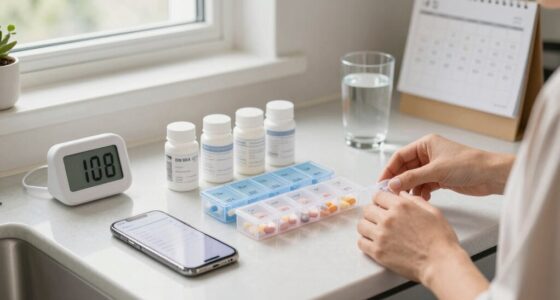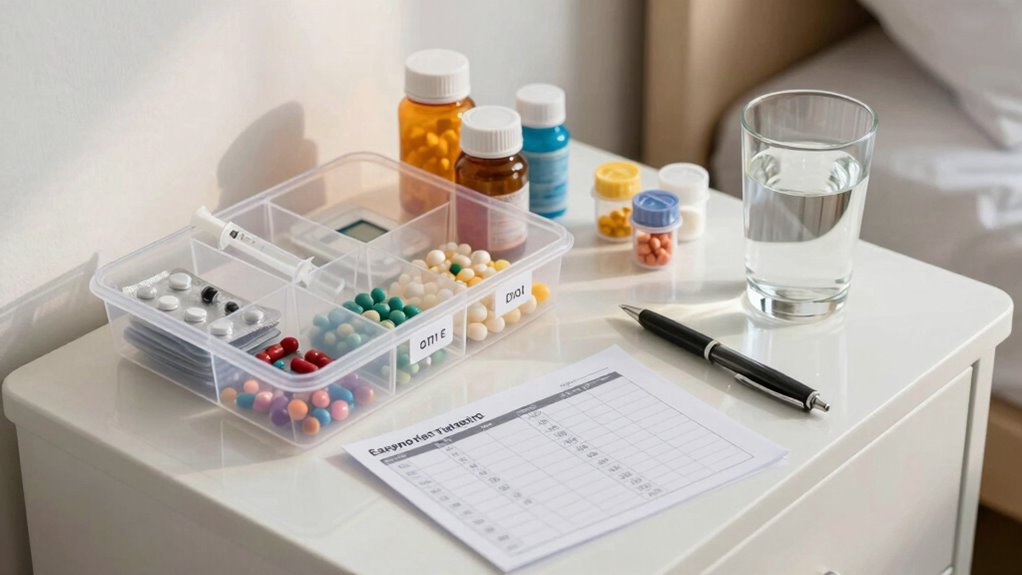

To reduce medication chaos after a hospital stay, create a clear list of all your medications with dosages and schedules, and keep it visible and updated. Use a pill organizer and set alarms or reminders to take your meds on time. Share your medication list with your healthcare team and incorporate routines into your daily life. Staying organized and informed helps prevent errors and guarantees safety. For more practical tips, you’ll find helpful strategies here to keep things under control.
Key Takeaways
- Create and maintain an updated, organized medication list to track prescriptions and dosages accurately.
- Use a pill organizer and set reminders to ensure timely medication intake.
- Communicate changes and share medication information with all care team members regularly.
- Clarify medication instructions and potential side effects with healthcare providers or pharmacists.
- Establish a consistent medication routine involving family or caregivers for added support.
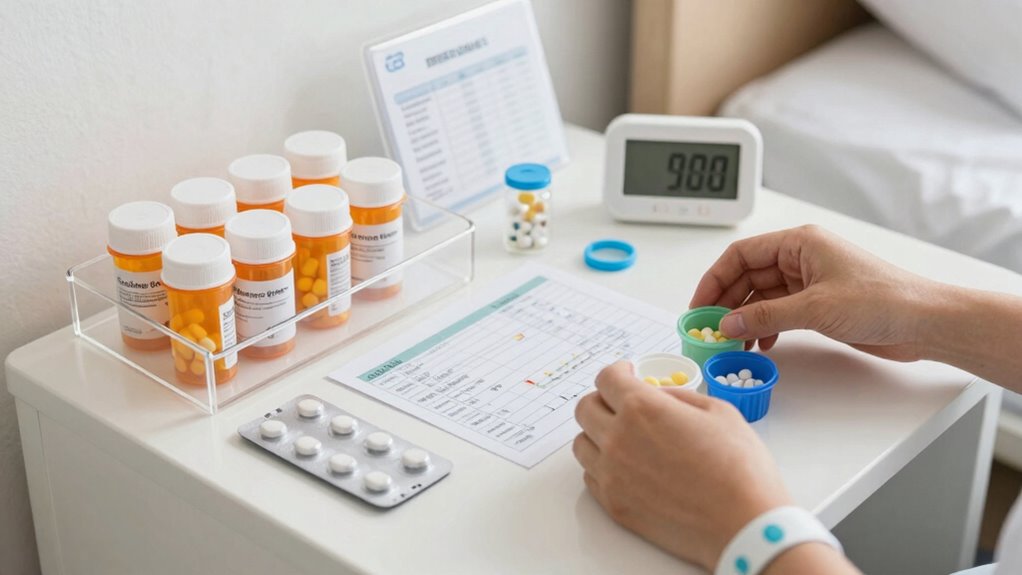
After leaving the hospital, many patients find themselves overwhelmed by a confusing maze of medications, leading to dangerous mix-ups and missed doses. To prevent this, focusing on effective medication management becomes essential. You need a clear system to keep track of what you’re taking, when, and why. Start by creating a comprehensive list of all your medications, including dosages and schedules. Use a pill organizer to separate doses by day and time, which reduces the chance of taking the wrong medication or missing a dose. Keep this list and your pill organizer in a visible, accessible spot, so you’re reminded every day. In addition, consider setting alarms or reminders on your phone to alert you when it’s time to take each medication. These small steps help you stay organized and ensure you don’t forget critical doses.
Create a clear medication plan with lists, organizers, and reminders to stay safe and on track after hospital discharge.
However, medication management isn’t just about tools; patient education plays a vital role. Before you leave the hospital, ask your healthcare provider or pharmacist to explain each medication’s purpose, potential side effects, and any interactions to watch for. Understanding why you’re taking each drug helps you stay motivated and vigilant. Make sure you’re clear about how to take your medications—whether with food, water, or on an empty stomach—and what to do if you miss a dose. Don’t hesitate to ask questions if anything isn’t clear. The more you know, the less likely you are to make mistakes.
It’s also helpful to review your medication list regularly, especially if your prescriptions change. Keep an updated copy of your medication list handy—either printed or digital—and share it with your primary care doctor and pharmacist. This way, everyone involved in your care is on the same page, reducing the risk of dangerous drug interactions or errors. Regular use of glycolic acid products can improve skin texture and radiance, but it’s important to understand how to incorporate such treatments safely into your skincare routine. You should also alert your healthcare team if you experience any side effects or unusual symptoms, so adjustments can be made promptly. Additionally, understanding the importance of natural and eco-friendly pools can inspire safer, more sustainable choices in your home environment, which can also contribute to overall well-being. Staying informed about medication interactions is crucial to prevent adverse effects and ensure your medications work effectively. Implementing a medication management system tailored to your needs can further streamline your routine and reduce errors.
Finally, establish a routine that incorporates your medication schedule. Taking your medications at the same times each day builds a habit, making it easier to remember. If you live with family or caregivers, make sure they’re involved and aware of your medication plan so they can support you if needed. The combination of diligent medication management and thorough patient education empowers you to take control of your health after a hospital stay, minimizing chaos and maximizing safety.

Odaro Weekly Pill Organizer 4 Times A Day, Daily Pill Box 7 Day, Black
- Easy to Open and Close: Smooth operation for all users
- Large Capacity Compartments: Holds multiple pills safely
- Food-Grade Safe Material: Made from non-toxic plastic
As an affiliate, we earn on qualifying purchases.
As an affiliate, we earn on qualifying purchases.
Frequently Asked Questions
How Can I Organize My Medication Schedule Effectively?
You can organize your medication schedule effectively by using a pill organizer to separate doses for each day or time. Set up dosage reminders on your phone or use an alarm clock to alert you when it’s time to take your meds. Consistently refilling your pill organizer and keeping medications in a visible, designated spot help guarantee you never miss a dose and stay on track with your treatment plan.
What Should I Do if I Run Out of a Medication?
Running out of medication is like hitting a bump in the road. First, check if you can get a medication refill quickly through your pharmacy or doctor’s office. If it’s urgent, contact your healthcare provider immediately. Keep your emergency contacts handy, in case you need extra guidance. Don’t delay—prompt action guarantees you stay on track with your treatment and avoid any health setbacks.
How Do I Communicate Medication Changes to My Healthcare Provider?
You should contact your healthcare provider promptly to communicate medication changes. Be clear about your symptoms, side effects, or any concerns, guaranteeing prescription clarity. Always discuss new medications, dosages, and discontinued drugs to promote medication safety. Keep a list of all current medications and share it during appointments or calls. This proactive communication helps prevent errors, ensures proper treatment, and keeps your medication management organized and safe.
Are There Apps to Help Manage Multiple Prescriptions?
Yes, there are apps that can help you manage multiple prescriptions. These apps offer medication reminders to guarantee you take your medicines on time and Prescription tracking features to keep an organized record of your medications. By using these tools, you can reduce confusion, avoid missed doses, and stay on top of your health. Try apps like Medisafe or MyMediHealth—they’re user-friendly and designed to keep your medication routine simple and clear.
How Can Family Members Assist With Medication Management?
Family members can support medication adherence by helping you organize your pills and setting reminders for doses. They can also assist in tracking your medication schedule and ensuring prescriptions are refilled on time. Your family’s involvement provides accountability and encouragement, making it easier to follow your doctor’s instructions. Open communication with your loved ones creates a supportive environment, reducing confusion and promoting consistent medication management after your hospital stay.

TabTime Pill Reminder & Timer – 8 Daily Medication Alarms, Pill Alarm Clock
- Multiple Daily Alarms: Eight alarms for daily reminders
- Automatic Repetition: Reminds until battery replacement
- Portable Design: Compact and easy to carry
As an affiliate, we earn on qualifying purchases.
As an affiliate, we earn on qualifying purchases.
Conclusion
To tame the wild jungle of medications after your hospital stay, stay organized like a seasoned explorer. Keep a detailed list, double-check prescriptions, and communicate with your healthcare team. Think of your medication routine as a delicate dance—each step in sync keeps chaos at bay. With a little planning and vigilance, you’ll navigate this new rhythm smoothly, transforming potential disorder into a well-choreographed symphony of healing. Your health’s harmony depends on it.
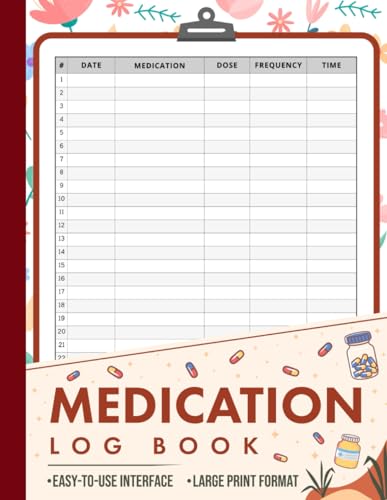
Medication Log Book: Easy-to-use Medicine Tracker Journal to Simplify Your Medication Management – Large Print Daily Medication Tracker Notebook for Adults, Seniors, Patients, Caregivers & More
As an affiliate, we earn on qualifying purchases.
As an affiliate, we earn on qualifying purchases.

Betife Automatic Pill Dispenser,28-Day Smart Bluetooth Pill Box, Easy Setup
- Full App Control & Bluetooth Sync: Seamless app and Bluetooth connection
- Customizable Medication Management: Set alarms, names, and upload pill images
- On-Device LCD & Physical Buttons: Easy manual operation with clear display
As an affiliate, we earn on qualifying purchases.
As an affiliate, we earn on qualifying purchases.