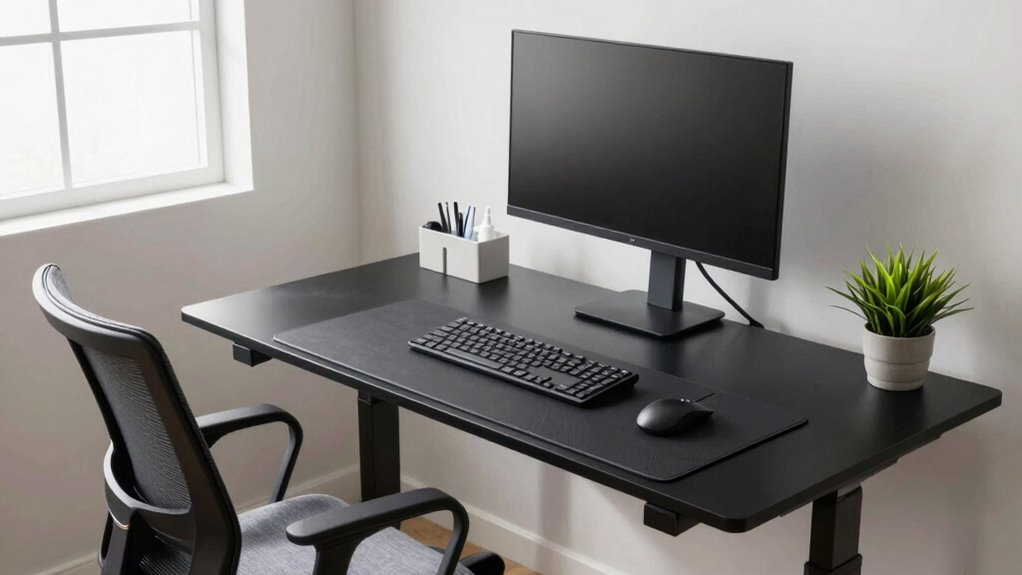

An ergonomic caregiver workstation should include adjustable furniture like height-adjustable chairs and supportive work surfaces to maintain good posture. You’ll want proper layout with tools and supplies within arm’s reach to prevent stretching or twisting. Bright, adjustable lighting helps reduce eye strain and improves visibility. Regular staff training on safe techniques and continuous assessment of the workspace guarantee safety and efficiency. Keep exploring further to discover more tips on creating a safer, more comfortable environment for yourself and your patients.

Get health and wellness essentials delivered free — and shop member deals
- Fast, free delivery on millions of items
- Access to Prime Big Deal Days deals on October 6–7
- Prime Video, Amazon Music and more included
Key Takeaways
- Adjustable furniture and equipment to support proper posture and reduce musculoskeletal strain.
- Ergonomic tools like transfer belts, slide sheets, and assistive devices for safe patient handling.
- Bright, adjustable lighting and organized workspace for optimal visibility and efficiency.
- Regular staff training on ergonomic practices, proper equipment use, and work environment assessment.
- Incorporation of eco-friendly practices and continuous feedback to adapt and improve ergonomic setup.
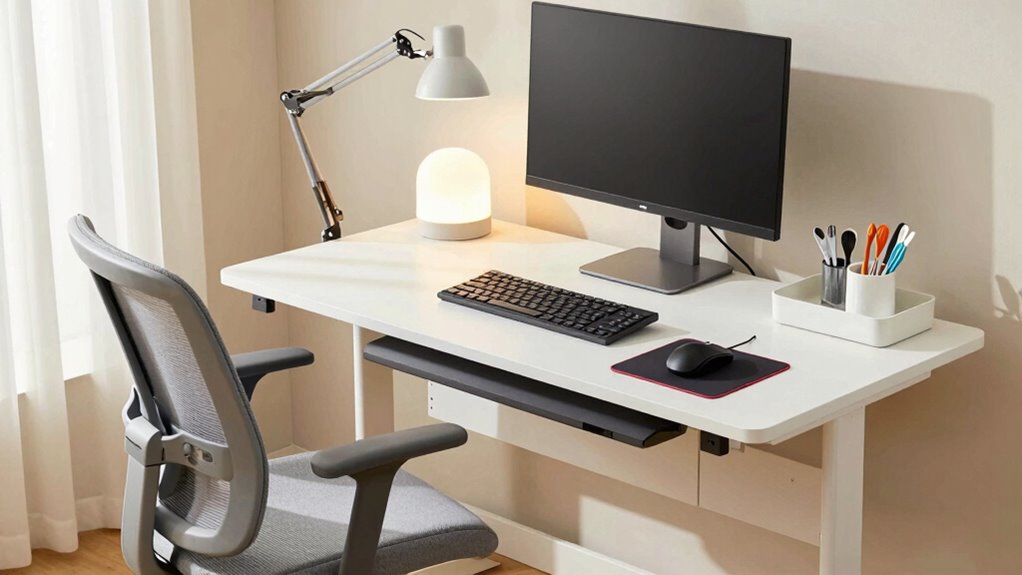
Caring for others can be physically demanding, which is why setting up an ergonomic caregiver workstation is essential. When you prioritize proper ergonomics, you not only reduce the risk of injury but also enhance patient safety. A well-designed workstation allows you to perform your tasks efficiently while minimizing strain on your body. To achieve this, you need to consider the tools and layout that support your health and safety during long shifts. An ergonomic setup begins with adjustable furniture, such as a height-adjustable chair and a supportive work surface. This flexibility ensures you can maintain good posture, whether you’re administering medication, documenting patient information, or assisting with mobility. Proper positioning helps prevent musculoskeletal disorders, which are common among caregivers who work in poorly arranged environments. Incorporating ergonomic tools like transfer belts, slide sheets, and assistive devices should be readily available. These tools help reduce physical strain and make patient handling safer for both caregiver and patient. Additionally, selecting recyclable kitchen cookware and understanding eco-friendly disposal tips can contribute to a more sustainable environment, even in healthcare settings where waste reduction is important. Implementing ergonomic principles into daily routines also involves continuous workplace assessment, allowing adjustments to be made as needs evolve. Lighting is another critical component. Bright, adjustable lighting reduces eye strain and helps you focus on detailed tasks, which directly impacts patient safety. Good visibility ensures you can accurately read labels, check vital signs, and perform procedures without errors. Alongside lighting, having easy access to essential supplies keeps your workflow smooth and reduces unnecessary reaching or bending, further protecting your body from strain. Storage should be organized, with frequently used items within arm’s reach, so you don’t have to stretch or twist awkwardly. Regular workspace evaluation is crucial to identify potential ergonomic hazards and make timely improvements. Staff training plays a key role in establishing an effective ergonomic caregiver workstation. You need to understand how to set up your space properly and use ergonomic equipment correctly. Regular training sessions teach best practices for lifting, transferring patients, and adjusting your workstation to prevent injuries. Proper training also emphasizes the importance of patient safety—by ensuring you’re using the right techniques, you minimize the risk of accidents and enhance the quality of care you provide. When staff are knowledgeable about ergonomics, they’re more likely to report issues early and seek solutions that improve safety for everyone. In addition, ergonomic tools like transfer belts, slide sheets, and assistive devices should be readily available. These tools help reduce physical strain and make patient handling safer for both caregiver and patient. Incorporating technology, such as voice-activated documentation or ergonomic keyboards, can further streamline tasks and reduce repetitive strain injuries. Remember, a thoughtful ergonomic setup isn’t a one-time fix; it’s an ongoing process that involves continuous staff training and assessment of your workspace to adapt to changing needs. By focusing on these elements, you create a safer, more efficient environment that supports your health and guarantees the highest standards of patient safety.
height adjustable caregiver chair
As an affiliate, we earn on qualifying purchases.
As an affiliate, we earn on qualifying purchases.
Frequently Asked Questions
How Do I Customize My Workstation for Different Caregivers?
You customize your workstation by making personalized adjustments to fit each caregiver’s height, reach, and comfort. Use ergonomic accessories like adjustable chairs, footrests, and keyboard supports to optimize posture. Encourage caregivers to tweak their workspace regularly, ensuring proper alignment and reducing strain. Remember, a flexible setup helps accommodate different users, promoting better comfort and efficiency for everyone. Tailoring each workstation creates a healthier, more productive environment for all caregivers.
What Budget Options Are Available for Ergonomic Caregiver Stations?
You can create a budget-friendly ergonomic caregiver station that’s practically a miracle for comfort! Use cost-effective accessories like cushioned mats, wrist supports, and adjustable monitor arms. Look for workstations with adjustable features—height-adjustable desks, flexible armrests—that fit your budget without sacrificing comfort. These options help caregivers reduce strain without breaking the bank, making ergonomic comfort accessible for every care environment.
How Often Should Ergonomic Assessments Be Performed?
You should perform ergonomic assessments regularly, ideally every six months, to guarantee caregiver ergonomics stay optimized. Maintaining a consistent caregiver ergonomics schedule helps identify and address issues early, reducing strain and injury risk. Adjustments based on these assessments improve comfort and efficiency. Remember, frequent ergonomic assessment frequency fosters a safe work environment, keeps ergonomic solutions effective, and supports caregivers’ long-term well-being.
Are There Portable Ergonomic Solutions for Caregivers on the Move?
Like a trusty compass guiding your way, portable solutions and mobility accessories become your loyal companions on the move. Yes, you can find lightweight, adjustable supports, foldable chairs, and ergonomic tools designed for portability. These accessories help you maintain proper posture and reduce strain, no matter where your caregiving takes you. Embrace these versatile gadgets to keep your body safe and your care seamless, even in unpredictable environments.
What Are Common Signs of Ergonomic Strain in Caregivers?
You might notice musculoskeletal discomfort, like aching shoulders or back pain, which signals ergonomic strain. Repetitive strain injuries, such as carpal tunnel or tendonitis, can also develop from constant lifting, bending, or reaching. Pay attention to persistent soreness, numbness, or tingling sensations. These signs indicate your body is under stress, so it’s essential to adjust your posture, use ergonomic tools, and take regular breaks to prevent long-term injuries.
ergonomic transfer belts for caregivers
As an affiliate, we earn on qualifying purchases.
As an affiliate, we earn on qualifying purchases.
Conclusion
By equipping yourself with an ergonomic caregiver workstation, you’re crafting a sanctuary of comfort amidst the chaos. Think of it as a well-tuned orchestra, where every tool and feature plays in harmony to protect your body and boost efficiency. When you prioritize ergonomic design, you’re not just setting up a workspace—you’re forging a resilient foundation that nurtures your well-being, allowing you to give care with strength and grace, like a steady river carving its path through the landscape.
adjustable work surface for healthcare
As an affiliate, we earn on qualifying purchases.
As an affiliate, we earn on qualifying purchases.
ergonomic patient transfer assistive devices
As an affiliate, we earn on qualifying purchases.
As an affiliate, we earn on qualifying purchases.
Fall Picks
fall essentials
As an affiliate, we earn on qualifying purchases.