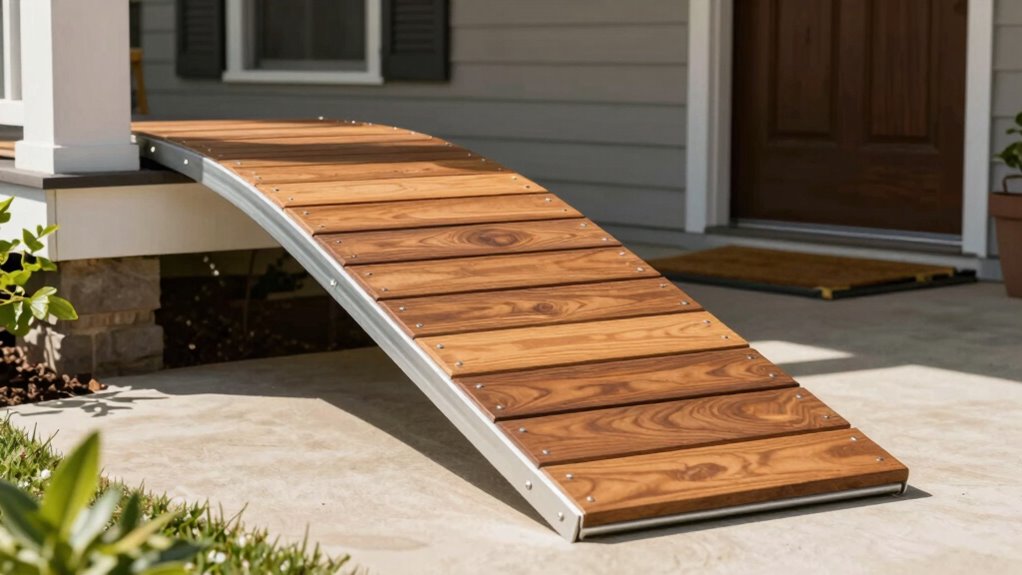

Deciding if a home ramp is worth it depends on your safety, accessibility needs, and long-term benefits. If you or a loved one has mobility challenges, a ramp guarantees safer, easier access and can improve daily life. Consider the costs, maintenance, and building regulations, but remember that a well-designed ramp offers lasting value and independence. If you want to explore the factors influencing this decision, there’s more to discover below.

Get health and wellness essentials delivered free with Prime
- Fast, free delivery on millions of items
- Prime Video, Amazon Music and more included
- Member-only deals all year
Key Takeaways
- Assess the user’s mobility needs and frequency of use to determine necessity.
- Consider long-term durability and maintenance costs of different ramp materials.
- Evaluate available space and design options for safety and compliance.
- Weigh the upfront installation costs against potential benefits and convenience.
- Consult professionals to ensure safety, regulatory compliance, and optimal design.

Deciding on a home ramp can feel overwhelming, but breaking down the process makes it manageable. Your first step is to evaluate the accessibility features you need. Think about who will be using the ramp—whether it’s for a wheelchair, scooter, or for ease of mobility during recovery. Consider the slope of the ramp, which should be gentle enough for safe use, typically a 1:12 ratio (one inch of rise for every 12 inches of run). The width matters too; a standard width of at least 36 inches ensures enough space for a wheelchair to pass comfortably. Other accessibility features might include handrails, non-slip surfaces, and a sturdy, stable design that can withstand daily use. By clearly defining these needs, you can determine whether a ramp will genuinely improve safety and independence in your home.
Next, you need to weigh the cost considerations involved. Home ramps vary widely in price depending on materials, size, and additional features. Wooden ramps are usually the most affordable option but may require more maintenance over time. Aluminum ramps tend to be more durable and require less upkeep, though they can be pricier. If you opt for a custom-built ramp, expect to pay more, but you might get a design that perfectly fits your space and accessibility needs. Remember, the cost isn’t just about purchase price—installation expenses, potential permits, and ongoing maintenance should also factor into your decision. It’s helpful to compare different options and consider long-term costs versus immediate affordability. Incorporating sustainable building practices can also influence long-term durability and environmental impact, making it a worthwhile consideration. Understanding enterprise governance principles can help ensure that your investment aligns with safety regulations and best practices. Additionally, researching innovative construction materials can lead to more efficient and eco-friendly solutions that last longer. Being aware of building codes and standards can further guide you in choosing compliant and safe options.
Furthermore, consulting with professionals experienced in home modifications can provide valuable insights into what materials and designs work best for your specific needs and environment.
As an affiliate, we earn on qualifying purchases.
Frequently Asked Questions
What Are the Long-Term Maintenance Costs for Home Ramps?
The long-term maintenance costs for home ramps depend on factors like material durability and usage. Typically, you should budget for regular inspections, cleaning, and minor repairs, which can range from low to moderate expenses annually. Cost estimation varies based on the ramp’s material—composite or metal tends to be more durable and low-maintenance, reducing long-term costs. Proper upkeep aids in extending the ramp’s lifespan and ensures safety.
How Do Local Building Codes Affect Ramp Installation?
Local building codes are the rulebook you must follow, like a map guiding your ramp installation. They dictate building code compliance and often require permits, ensuring safety and accessibility standards are met. Ignoring these rules could turn your project into a maze of trouble, delaying your plans or risking fines. Before beginning, check with your local authorities to understand permit requirements and code specifics, so your ramp stands tall and legal.
Are There Financing Options for Home Ramp Projects?
Yes, you can find financing options for home ramp projects. Look into financial assistance programs and grant opportunities designed for accessibility improvements. Many local and federal agencies offer grants that can cover part or all of your ramp costs. Additionally, some nonprofits and community organizations provide funding or low-interest loans. Research these options early to determine eligibility, and consider consulting a professional to help navigate application processes for maximum support.
Can a Home Ramp Increase Property Value?
A home ramp can increase your property value by boosting home safety and accessibility benefits. It makes your house more appealing to potential buyers, especially those with mobility needs. Plus, it demonstrates your commitment to inclusive living, which can enhance your home’s marketability. If you’re considering long-term benefits, investing in a ramp can pay off by attracting a broader range of buyers and improving your overall property appeal.
What Are the Best Materials for Weather-Resistant Ramps?
If you want your weather-resistant ramp to survive the apocalypse, choose materials like treated wood, composite, or aluminum—they laugh in the face of rain and snow. Opt for non-slip surfaces to keep everyone safe, and explore aesthetic options like color coatings or decorative finishes to make it blend seamlessly with your home. These materials promise durability, style, and safety, so you won’t have to build a new ramp every season.
As an affiliate, we earn on qualifying purchases.
Conclusion
Deciding whether a home ramp is worth it comes down to weighing your needs and future comfort. Think of it as planting a seed for independence—initial effort now can blossom into lasting freedom and safety. If it helps you navigate your home more easily and prevents potential falls, then it’s a worthwhile investment. Remember, sometimes the smallest step can lead to the biggest leaps in quality of life. Trust your judgment—your comfort is worth it.
adjustable slope wheelchair ramp
As an affiliate, we earn on qualifying purchases.
As an affiliate, we earn on qualifying purchases.
As an affiliate, we earn on qualifying purchases.
Halloween Picks
halloween
As an affiliate, we earn on qualifying purchases.