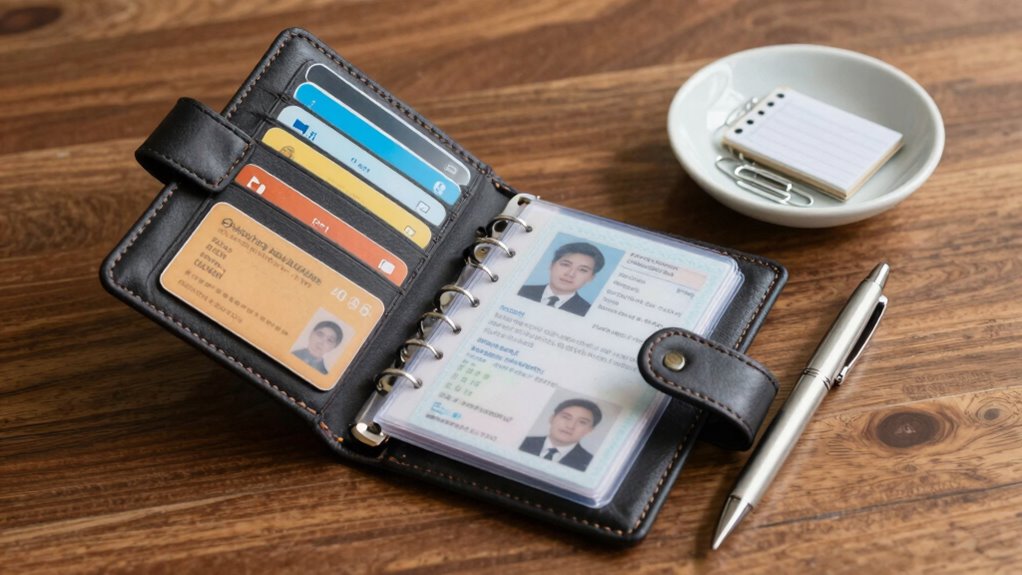

To store IDs, insurance cards, and caregiving forms effectively, keep physical copies in a waterproof, fireproof safe or lockbox labeled clearly for easy access. Digitize backups using secure cloud services with strong passwords and two-factor authentication, accessing them easily via your phone or tablet. Maintain a master list of locations and keep a printed copy in a trusted spot. Balancing security with quick access helps you stay prepared—discover more tips to optimize your system below.
Key Takeaways
- Use a secure, waterproof, fireproof safe or lockbox for physical storage of important documents.
- Digitize copies and store securely in encrypted cloud services for quick access during emergencies.
- Maintain a master list of document locations, both physical and digital, for easy retrieval.
- Regularly review and update all documents to ensure accuracy and completeness.
- Balance security with accessibility by using strong passwords, two-factor authentication, and trusted sharing methods.
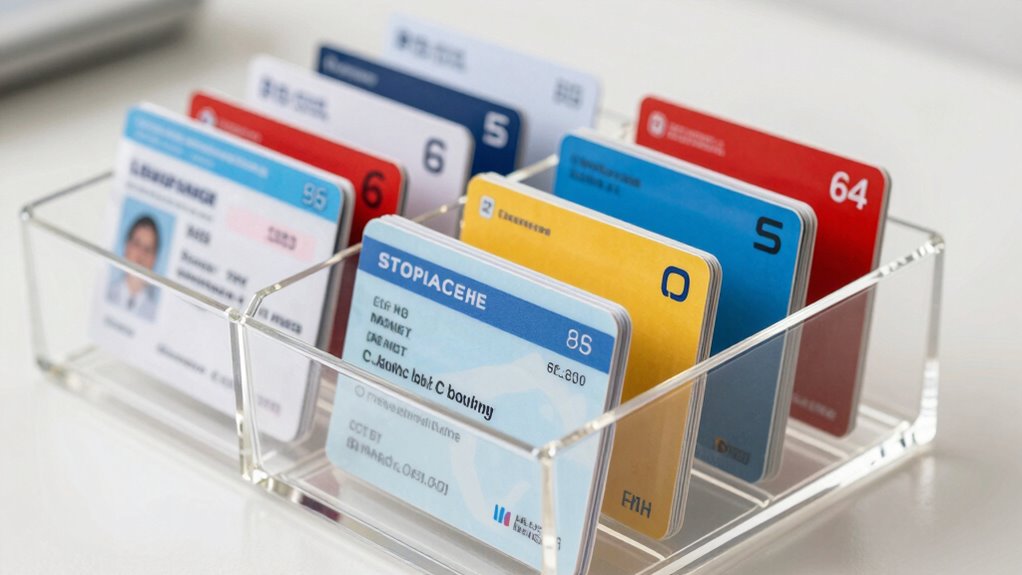
When caring for a loved one, keeping essential IDs and medical cards organized is vital for quick access in emergencies. You never know when an urgent situation might arise, and having everything in order can make a significant difference. While traditional storage methods like a dedicated wallet or a small folder work well, incorporating digital security into your approach can enhance safety and accessibility. Digital storage options, such as secure cloud services, allow you to keep digital copies of IDs, insurance cards, and important forms. These copies can be accessed quickly from your phone or tablet, making emergency preparedness more manageable. Just ensure that you use strong passwords and enable two-factor authentication to protect sensitive information from cyber threats.
Secure digital copies of vital IDs and insurance cards for quick, safe access during emergencies.
In addition to digital backups, it’s wise to keep the physical documents in a designated, easy-to-reach location. A waterproof, fireproof safe or a lockbox can protect these vital papers from damage or theft. Label the container clearly, so you or anyone else involved in caregiving can find what’s needed without hassle. Make it a routine to review and update these files regularly, especially after insurance renewals or medical appointments. Having current and complete documents ready reduces stress when time is critical. Regularly reviewing your storage methods can also help you stay aware of potential security risks and address them proactively. Incorporating a system that considers urban safety features can also help you choose a secure location for your physical documents. Additionally, understanding privacy policies of digital storage services can help you better safeguard sensitive information.
Emergency preparedness also involves knowing where the most important information is stored. Consider creating a master list that details the location of IDs, insurance cards, medical directives, and emergency contacts. Keep a printed copy in a separate location, such as a trusted neighbor’s house or a secure online file. This way, if an emergency occurs when you’re away from home, others can quickly access the necessary documents. Additionally, understanding contrast ratio can help you ensure that your physical storage environment is suitable for quick visibility and access, especially in low-light conditions. Implementing a mental visualization practice can further improve your ability to locate these items swiftly during stressful situations.
Balancing digital security with physical safety is key. Never store sensitive information on unsecured devices or cloud services without proper encryption. Use reputable apps designed for secure document storage that comply with privacy standards. Remember, the goal is to have quick, reliable access to vital documents while safeguarding your loved one’s personal information from cyber threats or physical loss. When you establish a well-organized, secure system for IDs and medical cards, you improve your overall emergency preparedness and provide peace of mind, knowing you’re ready for whatever challenges may come.
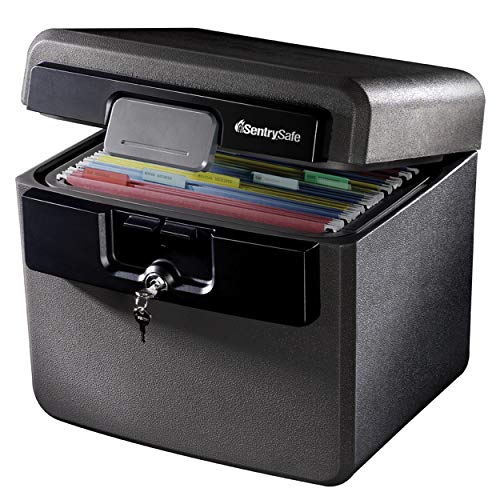
SentrySafe Black Fireproof and Waterproof Safe, File Folder and Document Box with Key Lock, 14.3 x 15.5 x 13.5 inches, HD4100
- Fire and Water Protection: UL and ETL verified for safety
- Spacious Interior: Fits hanging file folders and documents
- Secure Key Lock: Includes two keys for access
As an affiliate, we earn on qualifying purchases.
As an affiliate, we earn on qualifying purchases.
Frequently Asked Questions
How Do I Organize Multiple Family Members’ IDS Securely?
To organize multiple family members’ IDs securely, start by creating a dedicated, lockable storage container or digital folder with strong passwords. Focus on family member security by categorizing documents clearly—separating IDs, insurance cards, and forms. Use labeled folders or digital tags for quick access. Regularly update and review the stored documents, ensuring sensitive information remains protected from unauthorized access while keeping everything easily accessible when needed.
What Are the Best Digital Storage Options for Sensitive Information?
Imagine storing your sensitive caregiving documents securely in a reputable cloud storage service like Dropbox or Google Drive. For digital security, enable two-factor authentication and encrypt files before uploading. These measures protect your IDs, insurance cards, and forms from unauthorized access. Cloud storage offers convenient access across devices, but always prioritize strong passwords and regular updates to maintain your data’s security and privacy.
How Often Should I Update Stored Identification and Insurance Documents?
You should update your digital backup and scanned documents at least once a year or whenever your information changes. Regular updates guarantee your digital storage remains accurate and secure. Schedule a reminder to review and re-scan IDs and insurance cards, especially after renewal or changes in coverage. Keeping your digital files current helps you avoid delays during emergencies and ensures your records are always reliable and ready when needed.
Are There Specific Safety Precautions for Storing Physical Cards?
Yes, you should implement physical security measures for storing cards. Use a locked, secure drawer or safe to prevent unauthorized access. Limit access to trusted individuals only, practicing access control. Keep cards away from potential damage, like moisture or heat. Regularly check the storage area for security breaches. By ensuring proper physical security and controlling access, you protect sensitive information and reduce the risk of theft or loss.
What Should I Do if a Card or Document Gets Lost or Stolen?
When a card or document goes missing, act quickly—you’re the shield against potential identity theft. Contact your bank or insurance company immediately to report the loss, and monitor your accounts for suspicious activity. Keep emergency preparedness in mind; store copies of critical documents separately, so you’re ready if theft occurs. Notify relevant authorities if needed, and consider placing a fraud alert to safeguard your identity and peace of mind.

The Future of Enterprise Information Management: How Global Organizations Secure, Digitize, Store & Protect Their Most Valuable Information
As an affiliate, we earn on qualifying purchases.
As an affiliate, we earn on qualifying purchases.
Conclusion
By organizing your IDs, insurance cards, and forms, you’re building a safety net that catches you when chaos strikes. Think of it as planting seeds now so you can harvest peace of mind later. When everything has its place, you’ll navigate caregiving with confidence, knowing you’re prepared for whatever comes your way. Remember, staying organized isn’t just about paperwork — it’s about protecting the ones you love and easing your journey through uncertain times.
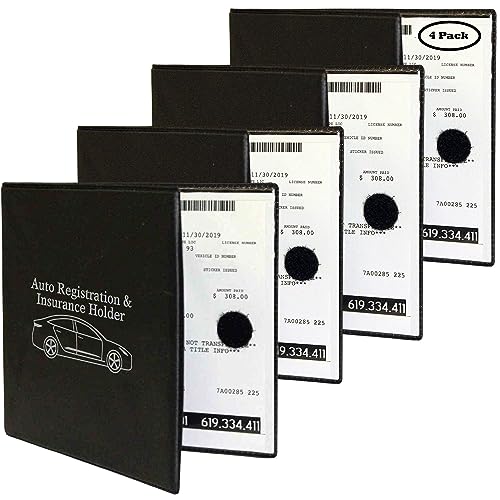
W4W Auto Registration Insurance & ID Card Holder – 4 PACK – Perfect for any Car, Truck, Motorcycle, Trailer or Boat – Strong Closure, Men & Women
- Pack Size: Set of 4 holders for vehicles
- Universal Compatibility: Fits cars, trucks, motorcycles, trailers, boats
- Easy Storage: Fits in visor or glovebox
As an affiliate, we earn on qualifying purchases.
As an affiliate, we earn on qualifying purchases.

ENGPOW Accordion File Organizer, Fireproof Expanding File Folder with 13 Pockets Document Organizer with Handle & Labels, Portable Home Travel Safe Storage for Letter A4 Files and More, Black
- Fireproof Material: Made of flame-retardant silicone-coated fiberglass
- Water-Resistant Design: Protects documents from fire and water damage
- Large Capacity: 13 pockets, zipper, pen, card, and mesh compartments
As an affiliate, we earn on qualifying purchases.
As an affiliate, we earn on qualifying purchases.