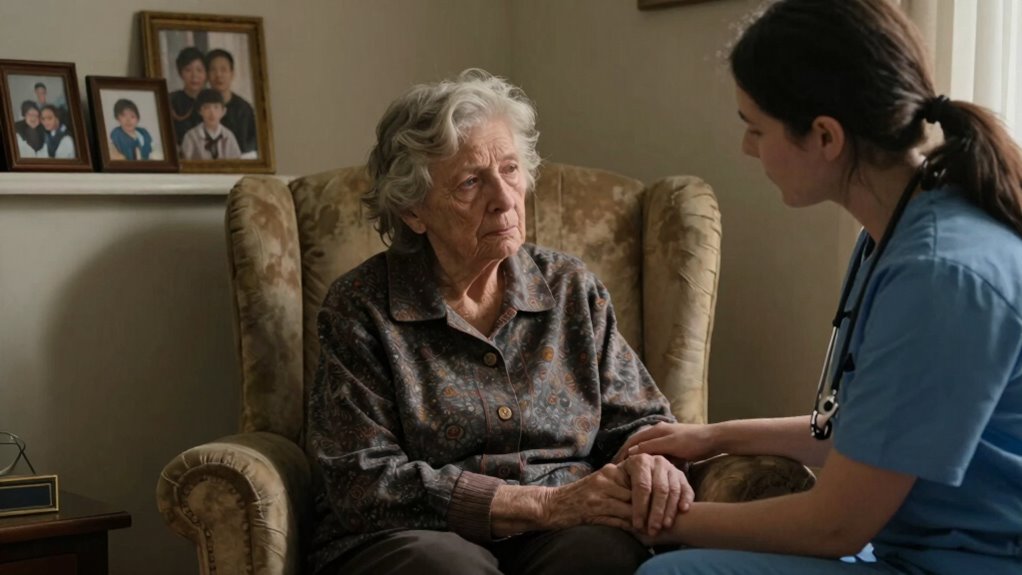

When you provide care for a loved one, old family wounds can surface unexpectedly. Caregiving often triggers emotional responses tied to past conflicts or unresolved issues, such as feelings of neglect or anger. Subtle cues like tone or phrase can intensify these feelings, threatening your peace and clouding judgment. Setting boundaries and recognizing triggers help you manage these emotions. Continue exploring to discover how you can protect your emotional well-being while caring for others.

Get health and wellness essentials delivered free with Prime
- Fast, free delivery on millions of items
- Prime Video, Amazon Music and more included
- Member-only deals all year
Key Takeaways
- Caregiving can unearth unresolved family conflicts and long-buried emotional wounds.
- Old triggers, such as specific phrases or tones, may resurface unexpectedly.
- Caregiving situations can activate deep-seated feelings of neglect or abandonment.
- The emotional intensity of caregiving may amplify existing family tensions.
- Boundaries may be overlooked, causing old wounds to reopen during stressful moments.
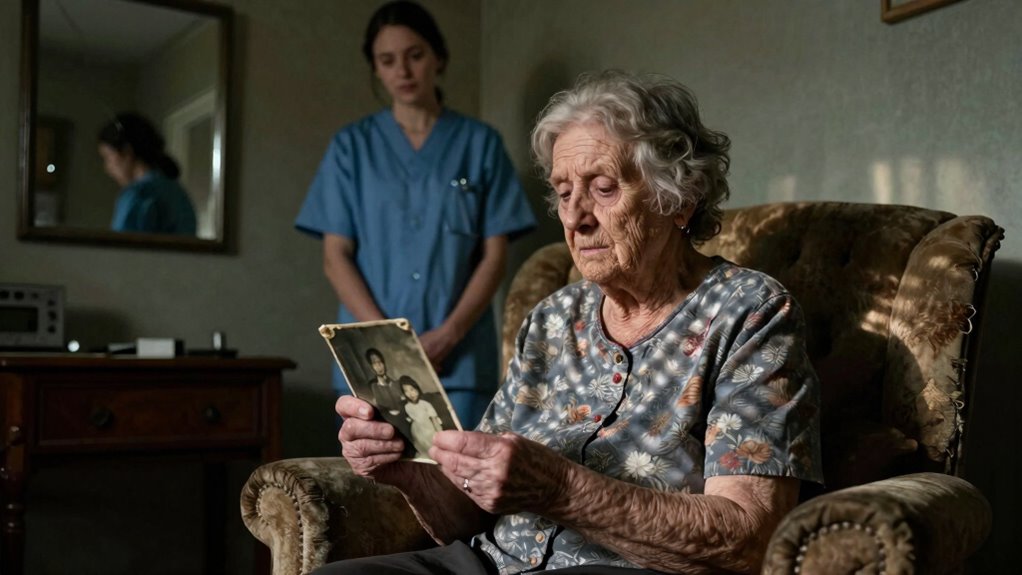
Taking on the role of a caregiver often unearths long-buried family wounds that shape how you navigate the responsibility. When you step into this role, old emotional triggers can surface unexpectedly, reminding you of past conflicts or unresolved issues. These triggers might be subtle, like a specific tone of voice or a particular phrase that echoes a childhood memory, or more intense, like feelings of resentment or anger you thought you’d moved past. As you try to focus on providing care, these emotional triggers threaten to cloud your judgment and drain your emotional reserves. That’s why understanding and managing them becomes *essential*.
Caregiving can reopen old wounds; managing emotional triggers is vital for your well-being and effective support.
One of the most effective ways to deal with these triggers is through boundary setting. Setting boundaries isn’t about creating walls; it’s about establishing clear limits to protect your mental and emotional well-being. Without boundaries, you might find yourself overwhelmed, constantly giving more than you can handle, or feeling resentful for unmet expectations. Boundaries help you define what you can and cannot do, and they give you permission to prioritize your own health while still caring for your loved ones. They also serve as a safeguard against old family wounds, preventing them from intensifying under the stress of caregiving.
When old wounds resurface, it’s natural to feel a surge of emotion. You might find yourself reacting defensively or withdrawing altogether. Recognizing these emotional triggers as signals rather than threats can help you respond more thoughtfully. For example, if a comment from your loved one unexpectedly triggers feelings of neglect or abandonment from your past, pause and remind yourself that your current situation is different. Setting boundaries in this moment might mean politely redirecting the conversation or taking a break to breathe and regain your composure. Doing so allows you to stay centered rather than reverting to old, unhelpful patterns.
It’s also important to acknowledge that these feelings are valid. Old family wounds can be deeply ingrained, and caregiving can stir up those emotions in ways you didn’t expect. By practicing boundary setting and emotional awareness, you create a space where healing can happen, even amid the chaos. Over time, these strategies help you manage emotional triggers more effectively, so they don’t control your caregiving experience. Instead, they become opportunities for growth, allowing you to care for your loved one while also tending to your own emotional health.
boundary setting for caregivers book
As an affiliate, we earn on qualifying purchases.
As an affiliate, we earn on qualifying purchases.
Frequently Asked Questions
How Can Caregivers Manage Their Emotional Reactions Effectively?
To manage your emotional reactions effectively, you should build emotional resilience by recognizing your feelings and practicing self-care strategies regularly. Take breaks when needed, talk to trusted friends or professionals, and prioritize activities that recharge you. Staying mindful helps you stay grounded during tough moments. Remember, caring for your emotional health enables you to provide better support, while also maintaining your well-being amidst challenging caregiving situations.
What Are Common Signs of Unresolved Family Trauma During Caregiving?
Think of unresolved family trauma as hidden mines; you might step on one unexpectedly. Common signs include emotional triggers like anger or guilt surfacing suddenly, feeling overwhelmed by familiar patterns, or revisiting past conflicts during caregiving. These signals often stem from generational patterns ingrained over time. Recognizing these signs helps you understand that unresolved wounds are surfacing, allowing you to address them consciously rather than react reflexively.
How Does Caregiving Impact Long-Term Family Relationships?
Caregiving deeply impacts your long-term family relationships by highlighting family history and emotional triggers. As you care for loved ones, unresolved issues may resurface, causing tension or misunderstandings. You might find yourself reliving past conflicts or feeling overwhelmed by emotional triggers rooted in family history. This can strengthen bonds if addressed openly, or strain relationships if left unresolved. Recognizing these patterns helps you navigate caregiving with awareness and compassion.
Are There Support Groups Specifically for Caregivers With Family Wounds?
Yes, there are family support groups specifically for caregivers with family wounds. These groups provide a safe space where you can share your experiences, find emotional healing, and connect with others facing similar challenges. Engaging in these support networks helps you process complex feelings, rebuild relationships, and develop coping strategies, making your caregiving journey less isolating. They’re a valuable resource for nurturing both your well-being and family bonds.
What Professional Therapies Help Address Old Family Wounds?
You can explore family therapy or trauma counseling to address old family wounds. Family therapy helps you work through unresolved issues with your relatives, fostering understanding and healing. Trauma counseling focuses on processing past hurts and managing emotional triggers. Both approaches provide a safe space to explore your feelings and develop coping strategies. Engaging in these therapies can help you heal from past wounds while caring for your loved ones.
emotional trigger management tools
As an affiliate, we earn on qualifying purchases.
As an affiliate, we earn on qualifying purchases.
Conclusion
As you navigate caregiving, remember it’s like walking a tightrope between compassion and past pain. Old family wounds can resurface, threatening to pull you under, but recognizing these triggers is your first step toward healing. You’re not just caring for a loved one; you’re also tending to your own emotional garden. With patience and awareness, you can transform these rough patches into opportunities for growth, turning scars into stepping stones on your journey toward wholeness.
self-care products for caregivers
As an affiliate, we earn on qualifying purchases.
As an affiliate, we earn on qualifying purchases.
stress relief for family caregivers
As an affiliate, we earn on qualifying purchases.
As an affiliate, we earn on qualifying purchases.
Halloween Picks
halloween
As an affiliate, we earn on qualifying purchases.