

Always being the dependable person can quietly drain your emotional strength, causing exhaustion you might overlook. You probably put others’ needs ahead of your own, neglecting self-care and pushing through stress and frustration. Over time, this can lead to burnout, resentment, and feeling overwhelmed. Setting boundaries and practicing self-care are essential for maintaining your emotional health. Stay with us, and you’ll discover practical ways to protect yourself while balancing your caring role.
Key Takeaways
- Constant dependability can lead to emotional exhaustion and burnout over time.
- Prioritizing others often neglects personal well-being, causing feelings of overwhelm.
- Suppressing frustration and stress worsens emotional strain and impairs mental health.
- Setting boundaries protects emotional health and prevents resentment from building.
- Ongoing self-awareness and self-care are essential to maintain balance and prevent emotional fatigue.

Whenever you’re always the one others count on, it’s easy to overlook the emotional toll it takes on you. You might feel a sense of pride in being dependable, but beneath that confidence, exhaustion can quietly build. Over time, you become so used to putting others’ needs first that you forget to prioritize your own well-being. That’s when practicing self-care strategies becomes essential. Taking time for yourself isn’t a luxury; it’s a necessity. Simple acts like carving out moments of solitude, engaging in activities you enjoy, or setting aside time for rest helps replenish your emotional reserves. It’s about recognizing that your needs matter just as much as everyone else’s.
Prioritize your well-being by setting boundaries and practicing self-care; you deserve to feel supported and balanced.
Additionally, being mindful of how your kitchen gear and eco-friendly disposal practices impact your well-being can serve as a form of self-care, encouraging more sustainable habits that reduce stress and environmental guilt. Considering the benefits of natural pools and eco-friendly backyard features can contribute to an overall sense of harmony and well-being. Incorporating ergonomic principles into your daily routines can also improve your overall comfort and mental health, making it easier to manage stress and stay energized.
However, mere self-care isn’t enough if you don’t also implement boundary setting. When you’re the go-to person for every crisis or request, it’s easy to feel overwhelmed and drained. Boundaries act as a shield, protecting your emotional health from constant overextension. You need to clearly define what you’re willing to do and what falls outside your limits. Communicating these boundaries assertively helps others understand your space and respects your time. For example, if friends or colleagues keep reaching out at inconvenient times, let them know when you’re unavailable without feeling guilty. Boundaries aren’t about shutting people out; they’re about creating a sustainable environment where your needs are acknowledged and honored.
It’s tempting to suppress feelings of frustration or burnout, but doing so only compounds your stress. Recognize that setting boundaries is a form of self-respect and self-care. It’s also a way to prevent resentment from brewing, which can happen when you constantly give without receiving support in return. Remember, you don’t have to be everything for everyone; you just need to be honest about what you can offer. When you establish these limits, you’ll find it easier to maintain your emotional health and feel more in control.
Balancing being dependable with caring for yourself is a continuous process. It requires ongoing self-awareness and a commitment to your well-being. Implementing self-care strategies and setting clear boundaries helps you sustain your role without sacrificing your happiness. You might also consider ergonomic adjustments to your workspace or daily routines, which can reduce physical discomfort and improve your mental resilience. You’re not selfish for prioritizing yourself; you’re human. Recognizing this truth can empower you to create healthier relationships, where your reliability is a gift rather than a burden. In the end, caring for yourself ensures that you can continue to be there for others—without losing yourself in the process.

One Question a Day for Self-Care: A Three-Year Journal: Daily Check-Ins for Emotional Well-Being
As an affiliate, we earn on qualifying purchases.
As an affiliate, we earn on qualifying purchases.
Frequently Asked Questions
How Can I Set Boundaries Without Feeling Guilty?
You can set guilt-free boundaries by recognizing that prioritizing your well-being isn’t selfish. Communicate your needs clearly and assertively, understanding that empowered self-care benefits everyone. Remind yourself that boundaries protect your mental health and prevent burnout. When you stand firm, you build confidence, and guilt diminishes. Over time, practicing guilt-free boundaries becomes natural, allowing you to care for others while honoring your limits without feeling guilty.
What Signs Indicate I’M Overwhelmed by My Reliability?
Imagine your energy tank running on empty—that’s a sign you’re overwhelmed by your reliability. You might feel emotionally exhausted, like a candle flickering fragile and dim. Self-neglect becomes evident when you prioritize others’ needs over your own, ignoring your own emotional well-being. If you notice you’re constantly drained, irritable, or neglecting self-care, it’s time to recognize these signs and set boundaries to protect your mental health.
How Do I Communicate My Limits Effectively?
You communicate your limits effectively by setting clear emotional boundaries and practicing assertive communication. Start by honestly expressing what you can and cannot do, using “I” statements to avoid sounding confrontational. Be direct yet respectful, and don’t hesitate to reaffirm your boundaries if they’re challenged. Consistent, honest communication helps others understand your limits, reducing emotional strain and ensuring your well-being stays prioritized.
Can Being Dependable Harm My Personal Growth?
You might be running yourself ragged, but yes, being dependable can hinder your personal growth. Relying too much on emotional resilience and neglecting personal boundaries keeps you stuck in a cycle of pleasing others. To grow, you need to set limits, prioritize your needs, and learn to say no. This way, you’ll develop stronger emotional resilience and create space for self-discovery, rather than always being the dependable one.
How Do I Rebuild Self-Trust After Burnout?
To rebuild self-trust after burnout, start with self-reflection exercises to understand your limits and needs. Engage in trust-building activities, like setting small goals and celebrating progress, to prove to yourself you’re capable. Practice patience and self-compassion, acknowledging that healing takes time. Consistently prioritize your well-being, and gradually, you’ll restore confidence in your abilities, making it easier to trust yourself again.

Mastering Boundary Setting: Establishing Boundaries for Personal Growth and Happiness (Mindset Mastery Manuals)
As an affiliate, we earn on qualifying purchases.
As an affiliate, we earn on qualifying purchases.
Conclusion
You carry the weight of others’ worlds on your shoulders, like an unbreakable anchor in a storm. While being reliable feels fulfilling, it can also drain your spirit and blur your sense of self. Remember, even the strongest trees need sunlight and space to grow. Prioritize your own emotional well-being, and don’t be afraid to loosen the grip. Your worth isn’t just in what you give, but also in how you nurture your own heart.
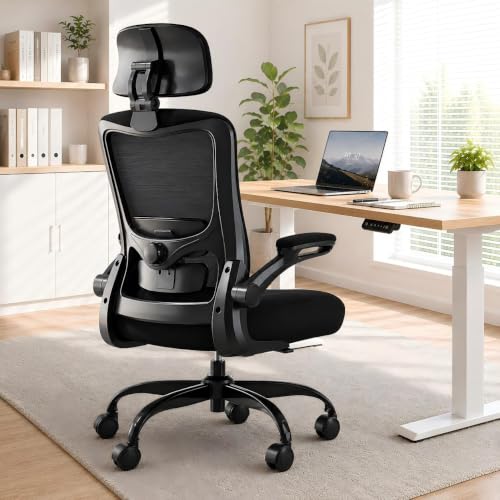
Ergonomic Office Chair for Long Hours, Adjustable Padded Lumbar Support for Lower Back Relief, 330 lb Capacity, Comfortable Computer Desk Chair for Home Office, Work & Study
【All-Day Comfort for Long Hours】Designed to keep you comfortable through long hours of work, study, or daily tasks,…
As an affiliate, we earn on qualifying purchases.
As an affiliate, we earn on qualifying purchases.

Waste King Garbage Disposal for Kitchen Sink with Power Cord, Compact Food Waste Disposer, L-111
HIGH-SPEED MOTOR: Features a 1,900 RPM (revolutions per minute), 115 volt permanent magnet motor for less jams
As an affiliate, we earn on qualifying purchases.
As an affiliate, we earn on qualifying purchases.