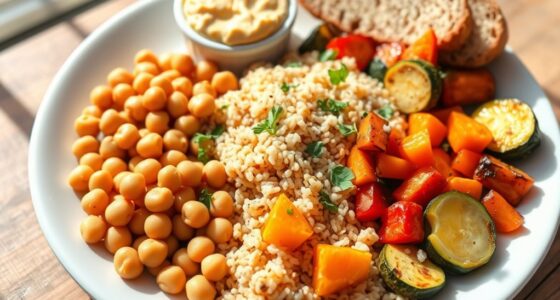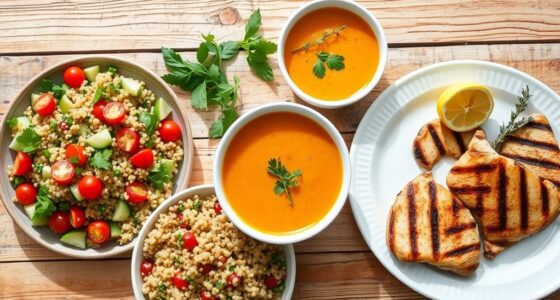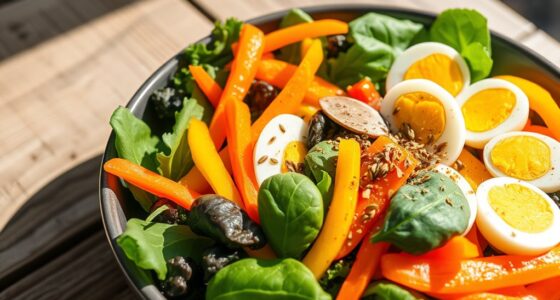
Switching to plant-based meals can boost your heart and kidney health by providing fiber-rich foods like legumes, vegetables, and whole grains that naturally lower cholesterol and reduce inflammation. Incorporate nutritious options like tofu, chickpeas, and colorful fruits to support organ function while adding flavor and variety to your diet. Choosing minimally processed, nutrient-dense foods enhances your well-being and lowers chronic disease risks. Keep exploring to discover delicious, health-boosting plant-based meal ideas tailored for your wellness goals.
Key Takeaways
- Incorporate legumes like lentils, chickpeas, and black beans for high protein, fiber, and heart-healthy benefits.
- Use plant-based sources such as tofu, tempeh, and edamame to replace animal proteins while supporting kidney health.
- Include antioxidant-rich fruits, vegetables, and whole grains to reduce inflammation and promote cardiovascular wellness.
- Add omega-3 rich foods like walnuts and flaxseeds to help lower blood pressure and reduce inflammation.
- Opt for minimally processed, nutrient-dense plant foods to enhance overall health and reduce chronic disease risk.
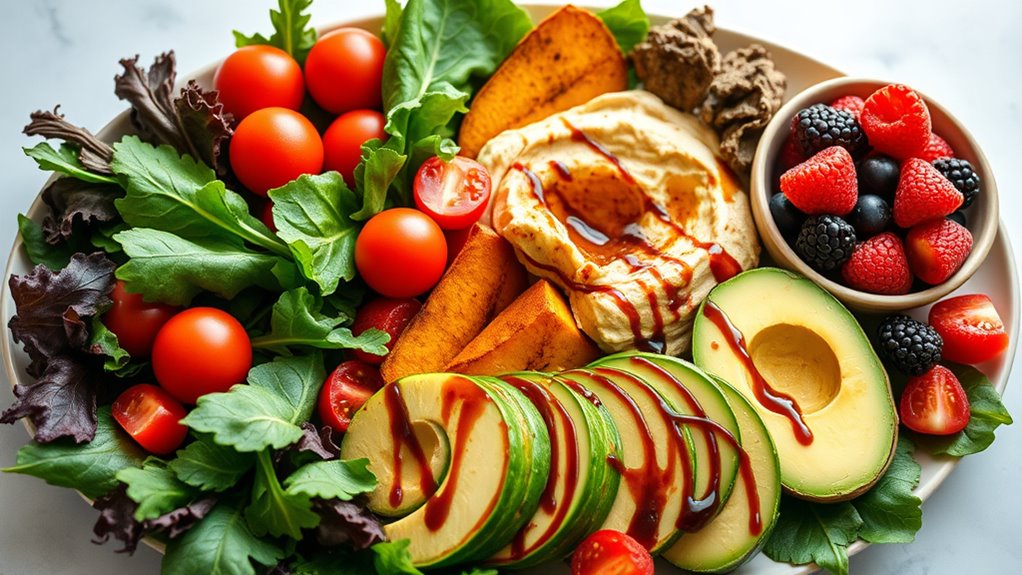
Switching to plant-based meals can substantially improve your health and reduce your environmental footprint. When you embrace a diet rich in plant-based foods, you open the door to a variety of nutritious options that support heart and kidney health. One of the key benefits is the increased intake of vegan protein sources, which provide the necessary building blocks for your body without the saturated fats and cholesterol found in many animal products. Legumes like lentils, chickpeas, and black beans are excellent choices, offering high protein content along with fiber that helps lower cholesterol levels. Tofu, tempeh, and edamame are versatile, plant-based protein sources that blend well into various dishes, making your meals both delicious and nourishing.
Embrace plant-based proteins like lentils, chickpeas, and tofu to boost heart and kidney health naturally.
To make your transition easier and more enjoyable, incorporating plant-based snack ideas can keep you satisfied between meals. Think of crunchy veggie sticks with hummus, roasted chickpeas seasoned with spices, or a handful of mixed nuts and seeds. These snacks are quick to prepare, portable, and packed with nutrients that support your overall health. Not only do they keep your energy stable, but they also contribute to your intake of healthy fats, antioxidants, and fiber—all essential for maintaining a healthy heart and kidneys. By choosing plant-based snacks, you avoid processed options high in sugar and unhealthy fats, further protecting your cardiovascular and renal systems.
Focusing on whole foods such as fruits, vegetables, whole grains, nuts, and seeds enhances your diet’s benefits. These foods contain antioxidants and phytochemicals that combat inflammation, a common root of heart disease and kidney problems. Incorporating foods rich in omega-3 fatty acids, like walnuts and flaxseeds, supports heart health by reducing inflammation and lowering blood pressure. Opt for minimally processed options whenever possible to maximize these benefits, and try to diversify your meals to include a range of nutrients that promote overall well-being. Additionally, research shows that proper dietary management can significantly reduce the risk of developing chronic illnesses related to heart and kidney health.
Adopting a plant-based diet doesn’t mean sacrificing flavor or variety. Instead, it offers a rich palette of tastes and textures that can be tailored to your preferences. Whether you’re experimenting with plant-based protein sources or trying new plant-based snack ideas, you’ll find that your meals become more wholesome and satisfying. Over time, these choices can lead to lower blood pressure, reduced cholesterol levels, and better kidney function. This way, you not only enjoy your meals but also take active steps toward a healthier heart and kidneys, all while doing your part for the environment.
Frequently Asked Questions
Can Plant-Based Diets Fully Replace Medications for Heart and Kidney Conditions?
Plant-based diets can’t fully replace medications for heart and kidney conditions. While they can reduce medication dependence and improve health, diet limitations alone often aren’t enough to manage serious issues. You should follow your healthcare provider’s advice and continue prescribed treatments. Incorporating plant-based meals is a helpful complement, but it’s essential to view them as part of an all-encompassing treatment plan rather than a substitute.
Are There Any Risks of Nutrient Deficiencies on a Plant-Based Meal Plan?
You might face nutrient gaps on a plant-based meal plan if you’re not careful. Without proper planning, you could miss out on essential nutrients like vitamin B12, iron, and omega-3s. To prevent this, supplement essentials such as vitamin B12 and consider fortified foods or supplements. Staying informed and balanced helps you enjoy the health benefits of a plant-based diet without risking deficiencies.
How Do Plant-Based Meals Impact Blood Pressure and Cholesterol Levels?
Plant-based meals can lower your blood pressure and cholesterol levels by boosting dietary fiber intake, which helps reduce LDL cholesterol and improve heart health. They also contain plant sterols that block cholesterol absorption. As a result, you may experience healthier blood pressure and cholesterol levels. Incorporating a variety of vegetables, fruits, whole grains, and legumes makes it easier to enjoy these benefits naturally.
What Are Quick and Easy Plant-Based Meal Options for Busy Lifestyles?
Did you know that 50% of busy adults skip breakfast? To stay energized, try quick plant-based meal prep options like overnight oats or smoothie bowls. Keep healthy quick snacks like trail mix or fresh fruit handy for on-the-go fuel. These options are simple, nutritious, and save time, helping you maintain heart and kidney health without sacrificing convenience. With a little planning, you can enjoy wholesome plant-based meals even on hectic days.
Can Children and Pregnant Women Safely Follow a Plant-Based Diet?
Yes, children and pregnant women can safely follow a plant-based diet when you prioritize child nutrition and pregnancy safety. You should guarantee they get enough essential nutrients like protein, iron, calcium, and B12, often through fortified foods or supplements. Consult with healthcare providers or registered dietitians to tailor the diet to their specific needs, helping them stay healthy and energized while enjoying plant-based meals.
Conclusion
By choosing plant-based meals, you nourish your heart, support your kidneys, and embrace a healthier lifestyle. You fuel your body with vibrant nutrients, reduce your risk of chronic diseases, and honor your well-being. You make mindful choices, promote sustainability, and enjoy delicious flavors. You empower yourself to live actively, feel energized, and thrive. Plant-based meals aren’t just food; they’re a step toward a healthier, happier you—today, tomorrow, and every day after.